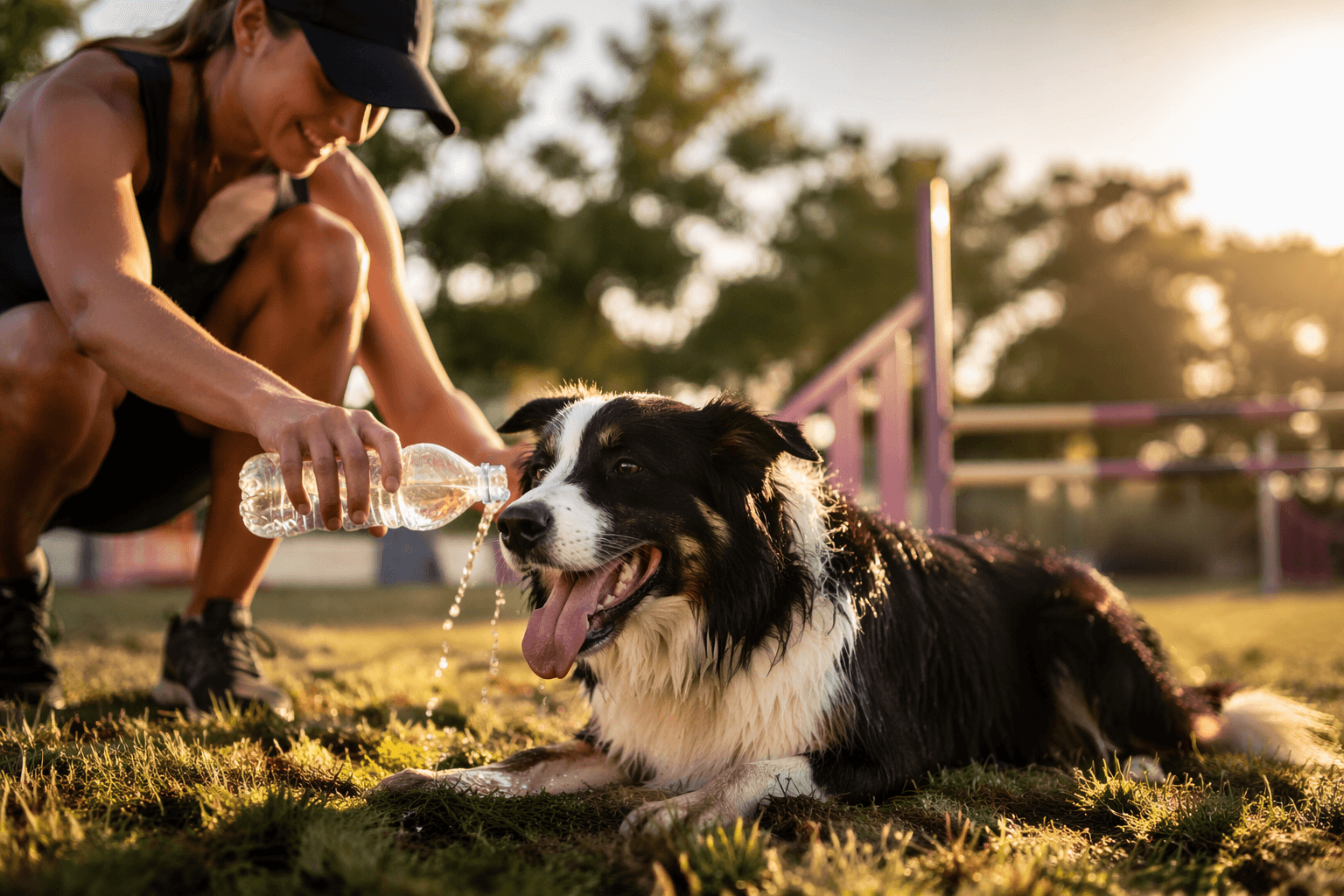
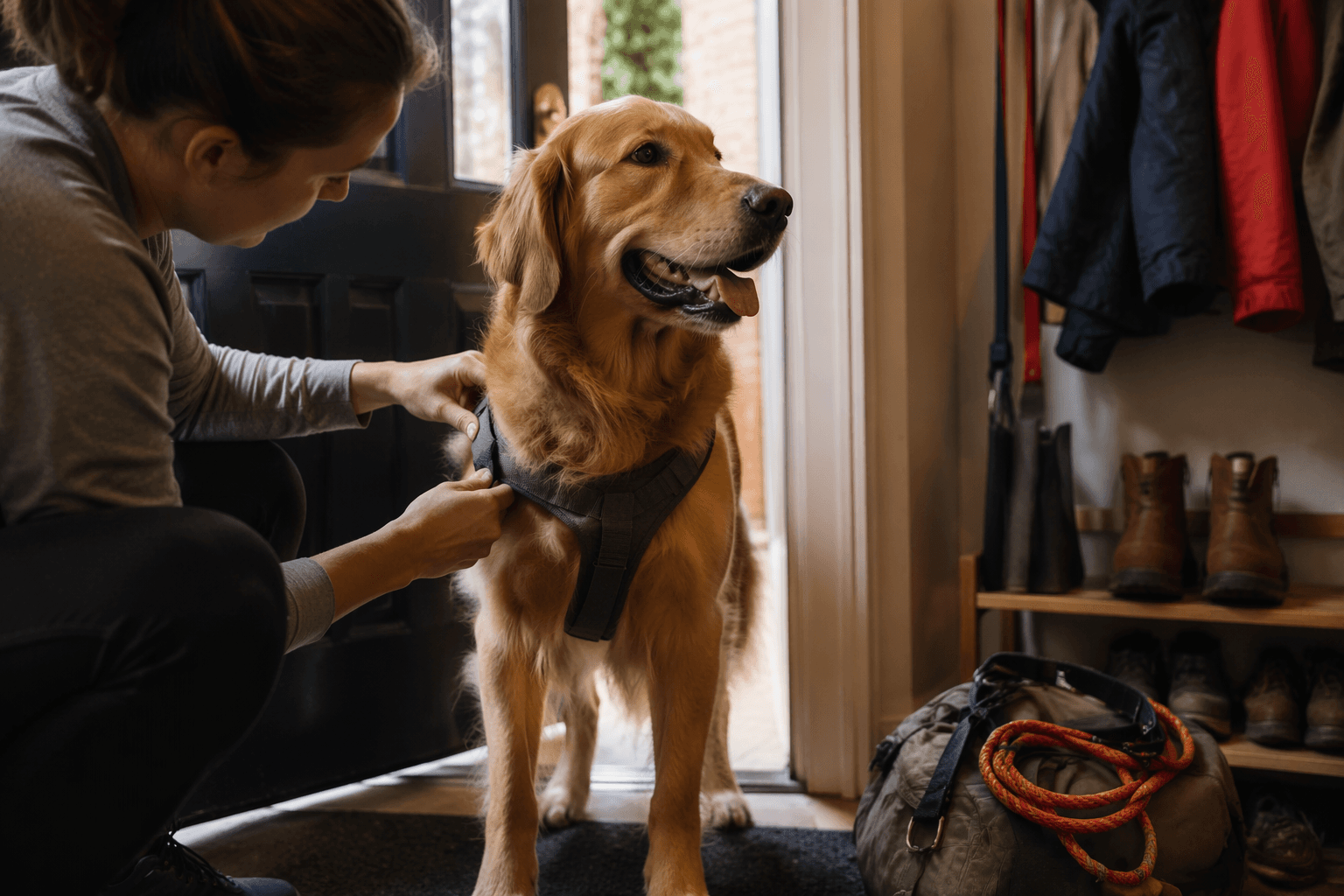
Rescued dogs train as service companions for veterans, first responders
Shelter dogs with big engines are being turned into steady service partners, and the science now shows that match can ease PTSD, sleep loss, and daily strain.
From shelter kennel to service partner
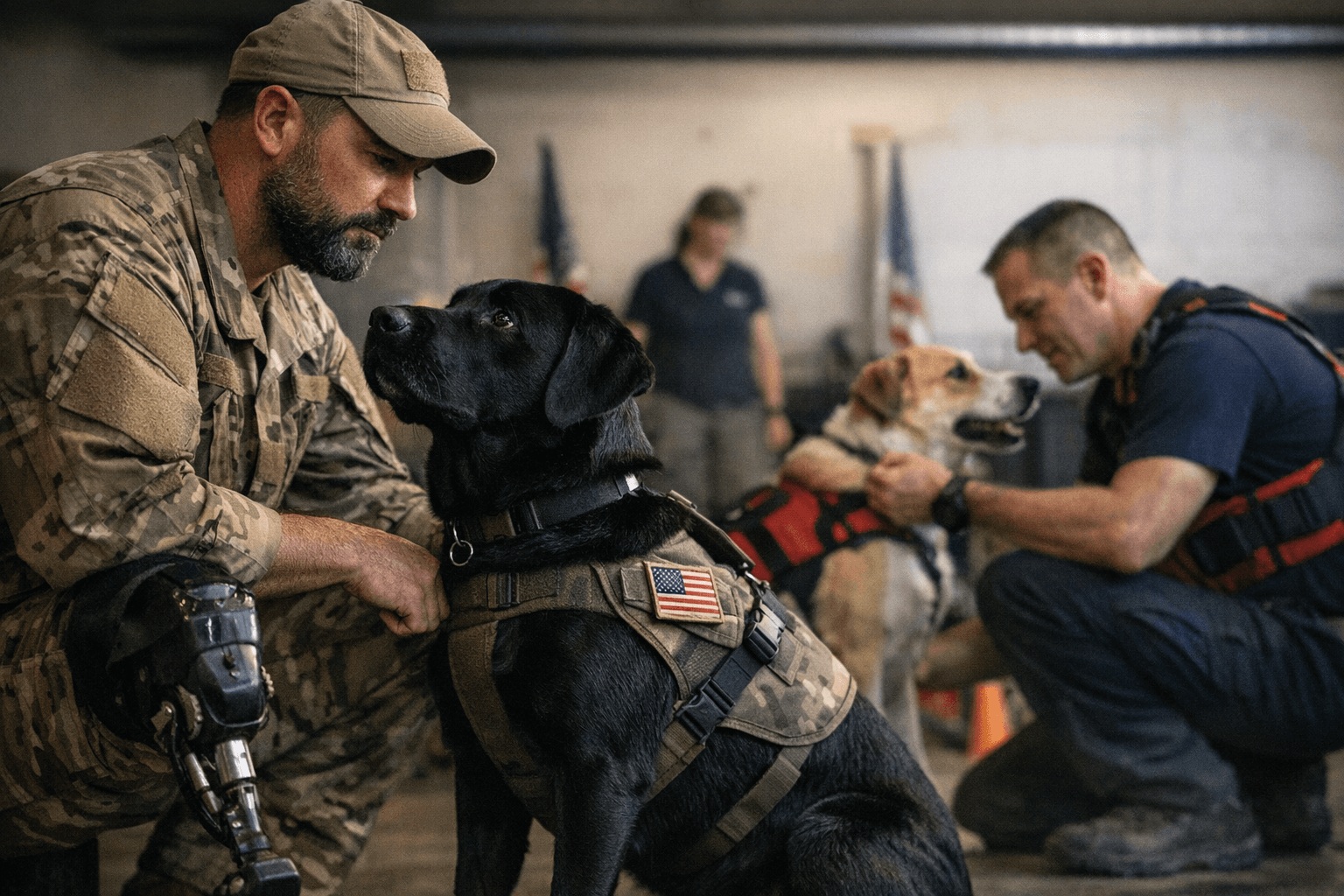
A dog that looks like “too much” for an average home can be exactly the right dog for a life built around service. In this pipeline, high-drive shelter dogs are rescued, socialized in varied environments, and trained into companions that can help veterans and first responders live with PTSD, anxiety, depression, sleep problems, and the other invisible wounds that follow them home.
The magic is not in calming a dog down so much as channeling what is already there. Energy becomes stamina, environmental boldness becomes confidence, and trainability becomes reliability. That is why rescue-based service-dog programs keep emphasizing transformation, not discard.
How the transformation pipeline works
The process starts with rescue, but it does not end there. Programs pull dogs from shelters, then expose them to different sights, sounds, surfaces, and routines so the dog can stay steady outside the kennel and inside real life.
1. Rescue the dog from a shelter environment where raw potential is easy to overlook.
2. Socialize in many settings so the dog learns that busy sidewalks, new rooms, and unfamiliar people are not a threat.
3. Train for consistency so the dog can move from enthusiasm to focus on command.
4. Match the dog to a person whose daily life may depend on emotional steadiness, physical support, and trust.
That sequence matters because a service dog is not just a comforting pet. It is a working partner built to stay present when the person beside it is dealing with stress, hypervigilance, or exhaustion.
Why the demand is so high
The need has grown because more veterans and first responders are looking for practical help with conditions that do not always show up on the outside. Major organizations say the demand for service dogs is high, but training is expensive and waitlists can stretch long, which leaves too many people waiting for support that could change day-to-day functioning.
Veterans Affairs has studied whether service dogs can help veterans with PTSD, and it completed a study under Section 1077 of Public Law 111-84. VA posted its first monograph in 2021, then made a second monograph public on health economics and cost-effectiveness, a reminder that the question is not only whether service dogs help, but also how those programs can be sustained.
What the evidence says
The research base has gotten stronger. In June 2024, the National Institutes of Health said that a service dog added to usual care could reduce PTSD symptoms, anxiety, and depression while improving quality of life and psychosocial functioning for military members and veterans.
A peer-reviewed study pushed that point further by looking at veterans and former first responders with PTSD. The group with a service dog showed significantly fewer PTSD symptoms, better sleep quality, and better wellbeing than those with a companion dog. That distinction matters: this is not just about having a dog nearby, but about pairing the right dog with the right job.
For people who spend their lives in crisis work, sleep and recovery can be as important as daylight hours. When a service dog helps interrupt panic, sharpen routine, or create a sense of safety in a bedroom or living room, the benefit can spill into every part of the day.
The programs turning rescue into readiness
American Humane Society’s Pups4Patriots program is built around that idea of access. It provides service dogs at no cost to veterans and retired first responders with PTS and TBI, and American Humane says training can cost upwards of $30,000 per dog. That price tag explains why donor support and rescue sourcing are not side notes here; they are the engine that keeps the model moving.
American Humane also says its approach is guided by a Scientific Advisory Committee made up of veteran experts, mental health professionals, scientists, animal welfare specialists, veterinarians, dog trainers, and other advocates. That kind of broad oversight reflects how many worlds meet in a single dog: animal behavior, trauma recovery, public service, and family life.
K9s For Warriors, based in Jacksonville, Florida, is another major player in the same lane. The organization says it has rescued more than 2,500 dogs since 2011 and paired more than 1,200 veterans with service dogs. CBS News reported that K9s For Warriors has paired more than 1,000 veterans with service dogs and rescued more than 2,000 dogs, including some placed with first responders.
Why this model resonates beyond the headline
The appeal of this work is easy to understand once you see the pipeline end to end. A shelter dog that might have been judged as restless, intense, or hard to place can become the exact dog that helps a veteran sleep through the night or helps a first responder stay grounded after a hard shift.
That is why people keep describing these programs as saving two lives at once. One life gains a purpose-built partner; the other gets a job where its biggest traits, the drive, the curiosity, the willingness to engage, are not problems to solve but strengths to harness.
Across Washington, D.C., Jacksonville, Florida, and the rest of the service-dog world, that is the quiet revolution at work. The right dog is not the calmest dog in the room, but the one whose energy can be shaped into trust, steadiness, and a job that matters.
This article was produced by Prism’s automated news system from verified source data, official records, and press releases, then run through automated quality and moderation checks before publishing. The system is built and supervised by the people who set the standards it runs under. Read our full AI policy.
Did this article answer your question?