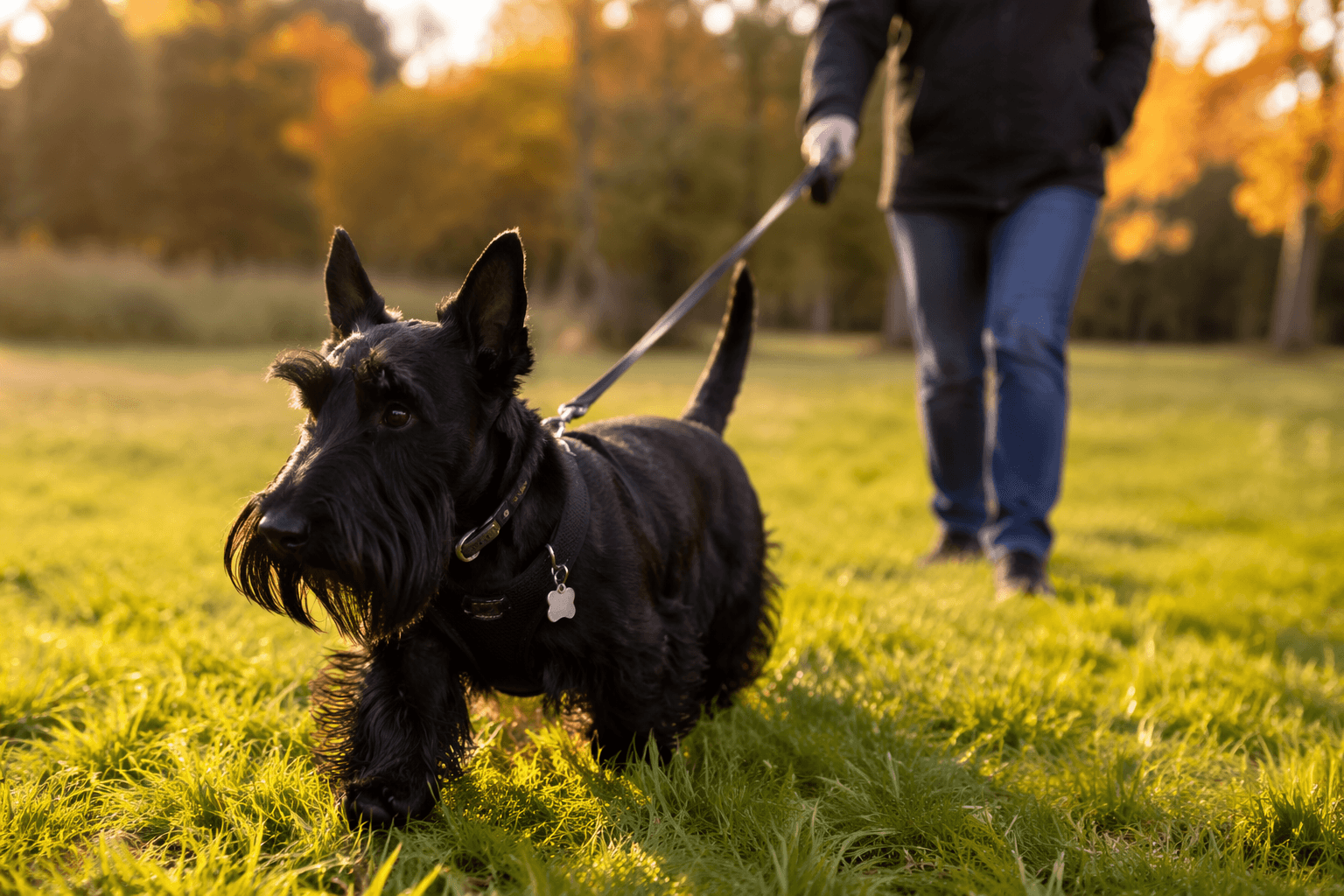
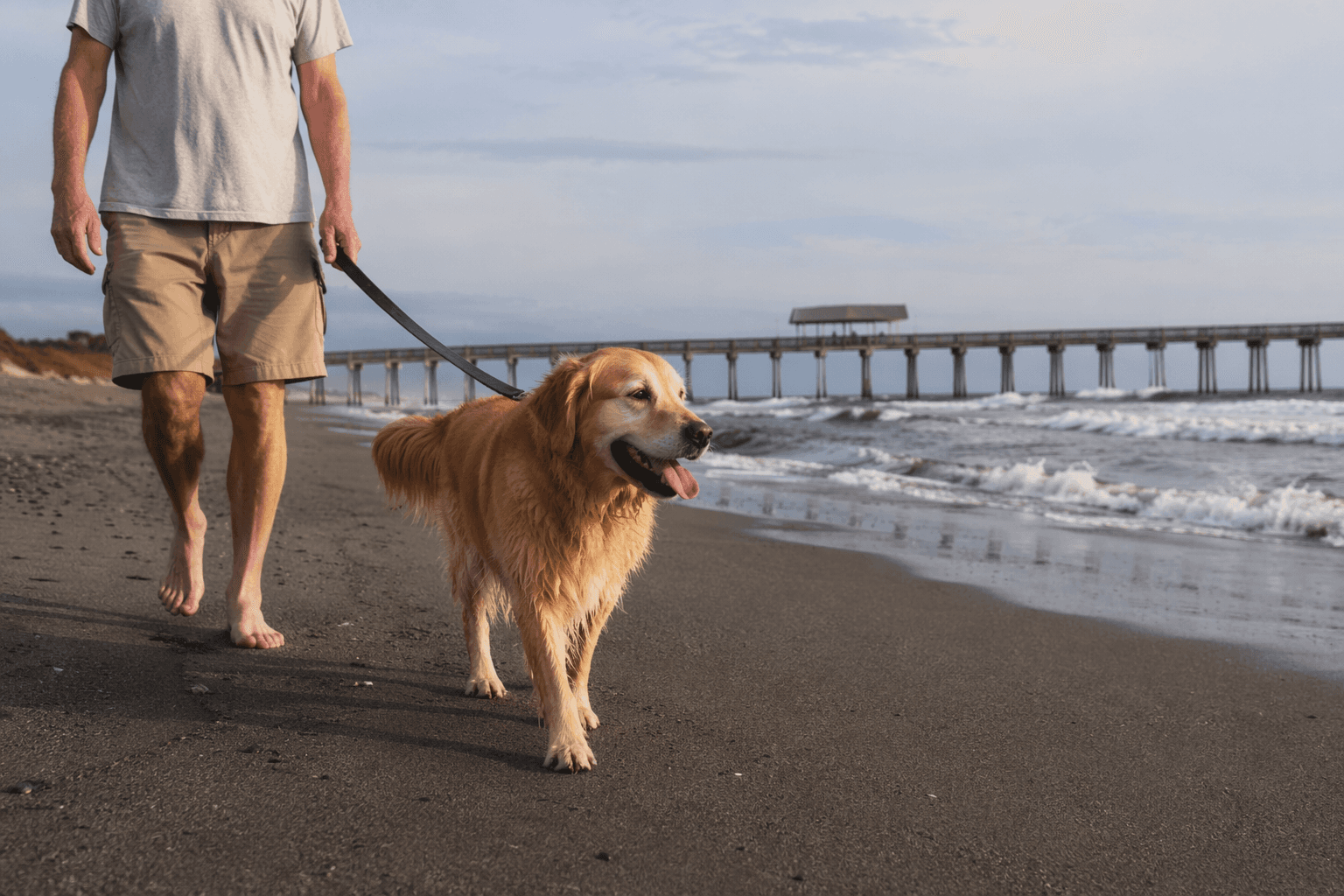
New tools help dog owners check pavement heat before walks
A dog’s paws can burn on pavement long before the air feels brutal. New free tools turn local weather into a quick yes-or-no check before you leash up.
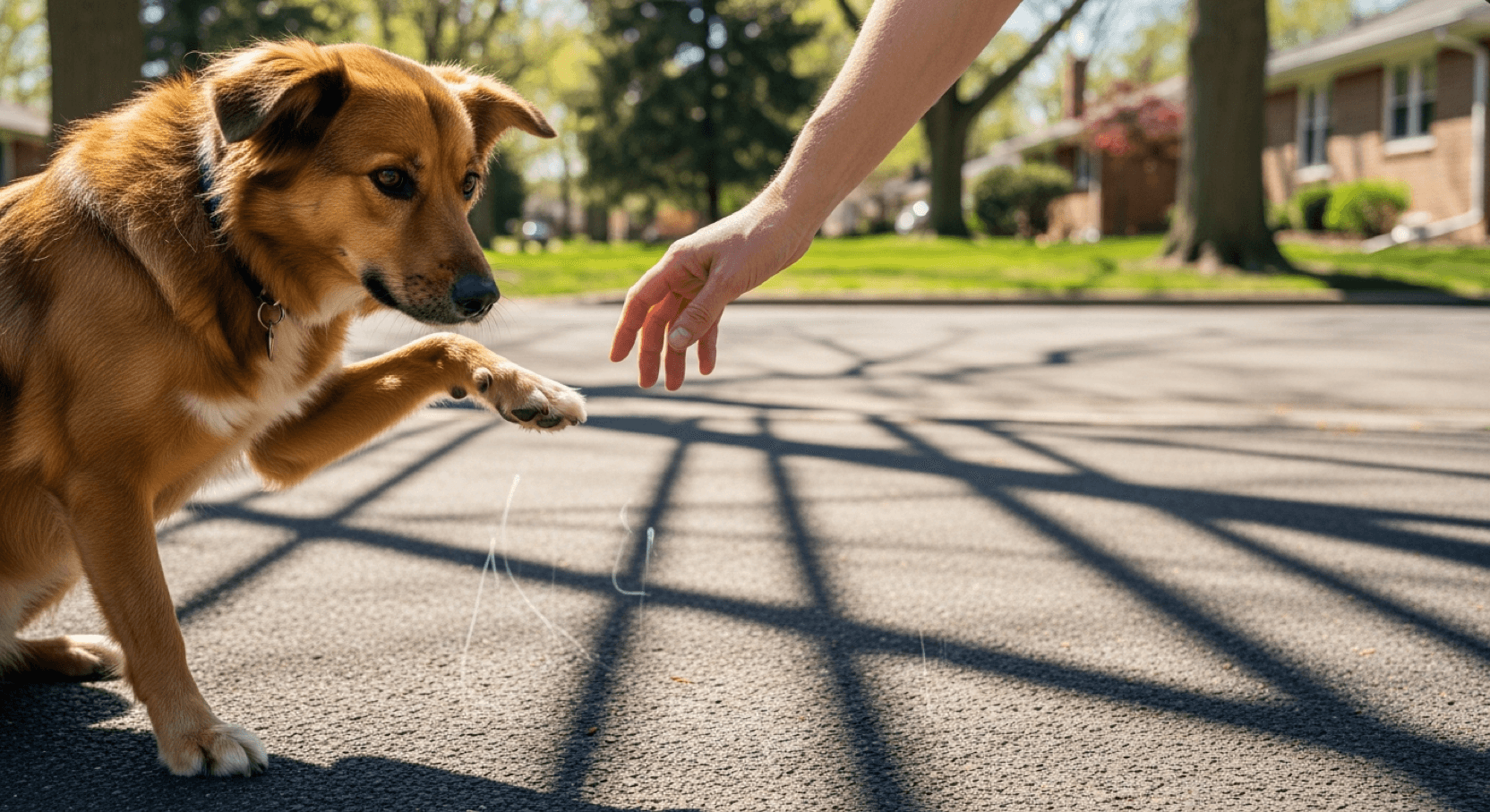
The problem hits before it feels hot
A high-energy dog can get into trouble on a day that still feels perfectly walkable to you. Asphalt soaks up sunlight, heats fast, and can turn a routine stroll into a paw-burning mistake before the air ever feels extreme.
That is the trap in summer: the walk looks fine at the front door, then the pavement crosses the line while you are already halfway through the outing. Around Memorial Day weekend, when the first real heat of the season starts rolling across much of the country, that shift hits especially hard because many owners are just getting back into longer outdoor sessions.
The new tools turn weather into a walk decision
Two free websites now make that decision easier before you clip the leash on. Pawmometer and Paw Safety Check both use live local weather data to estimate when pavement is safe for paws and when it is likely too hot to trust.
Pawmometer goes beyond a simple yes-or-no warning. It estimates surface temperatures for asphalt, concrete, grass, turf, sand, and dirt, which matters if your regular route includes a mix of sidewalks, parks, and driveways. Paw Safety Check focuses on pavement temperature and paw safety, and it still includes the old 7-second hand test.
That hand test is useful, but it has one obvious limitation: you have to be standing on the surface already. The point of the new tools is that they let you check conditions first, then decide whether to walk, wait, or change the plan entirely.
The numbers explain why the sidewalk lies
The reason these tools matter is simple physics. Sunlit pavement can run about 35 to 55 degrees hotter than the air, and some veterinary guidance puts asphalt at roughly 40 to 60 degrees hotter than ambient air under sunny conditions.
The jump can be brutal. Four Paws cites comparisons showing that when the air is 77 degrees Fahrenheit, asphalt can reach 125 degrees. At 87 degrees air, asphalt can hit 143 degrees. At 95 degrees air, it can climb to 149 degrees. That is why a surface that felt merely warm a minute ago can become dangerous so quickly.
Not every surface behaves the same way, either. Concrete, brick, asphalt, and artificial turf all heat differently, and asphalt often ends up hottest in side-by-side testing. If your dog is the kind that wants one more lap, one more fetch throw, or one more block before heading in, those extra minutes can matter more than the total distance ever would.
How to change the plan before paws pay the price
For hyperenergetic dogs, summer exercise has to be planned around surface temperature, shade, and timing, not just energy level. The safest response is usually to move walks earlier or later, when the ground has had a chance to cool, and to swap hard surfaces for grass whenever you can.
- Check the pavement forecast before you leave the house, not after you are standing outside with the leash in your hand.
- Favor grass on extremely hot days, especially for longer walks.
- Shorten fetch sessions when the surface starts climbing, even if your dog still has plenty of gas left.
- Move the work indoors when the heat wins, using enrichment, training, or other low-impact outlets.
- Use paw protection when needed, including boots or balm, if your dog tolerates them.
A practical summer routine looks like this:
The American Veterinary Medical Association has long warned that warm weather can be risky even on days that do not seem hot to people. It advises avoiding hot surfaces such as asphalt, walking during the cooler hours of the day, and using grass when the heat is intense. That lines up with what Dr. Jerry Klein of the American Kennel Club says: “If the temperature is 85 degrees or over without the chance for the pavement to cool down, the ground may be too hot for safely walking a dog.”

That 85-degree benchmark is useful because it gives you a clean pivot point. If the forecast is already in that range and the sidewalk is baking in full sun, the smart move is often not to push through. It is to shorten the outing, change the route, or bring the energy indoors before the day turns into a paw problem.
Know the warning signs
Paw-pad burns can show up fast, and they are easy to miss if your dog is too amped up to slow down. Watch for redness, swelling, blistering, limping, or repeated licking at the feet. Even a minor burn can be enough to warrant veterinary attention.
The risk is bigger than surface injury, too. The AVMA warns that heat stress can move quickly into heat exhaustion, heat stroke, and even death without immediate veterinary care. That is the part hyperenergetic-dog owners cannot afford to shrug off, because a dog that wants to keep going will often keep going until the body forces the stop.
A smarter summer routine for high-energy dogs
The best part of these new tools is not that they tell you something you could eventually figure out with a hand test. It is that they help you make the call before your dog is already out there, paws on hot ground, testing the limits for you. For a dog that needs real exercise every day, that small bit of advance planning is the difference between a good summer routine and a dangerous one.
This article was produced by Prism’s automated news system from verified source data, official records, and press releases, then run through automated quality and moderation checks before publishing. The system is built and supervised by the people who set the standards it runs under. Read our full AI policy.
Know something we missed? Have a correction or additional information?
Submit a Tip