North Carolina K-9 airlifted to Knoxville after ozone exposure emergency
Luca, a Clay County K-9, became Tennessee’s first real-world police-dog airlift after an ozone blast triggered a respiratory emergency. The helicopter run showed how fast specialized canine transport can change a working dog’s odds.
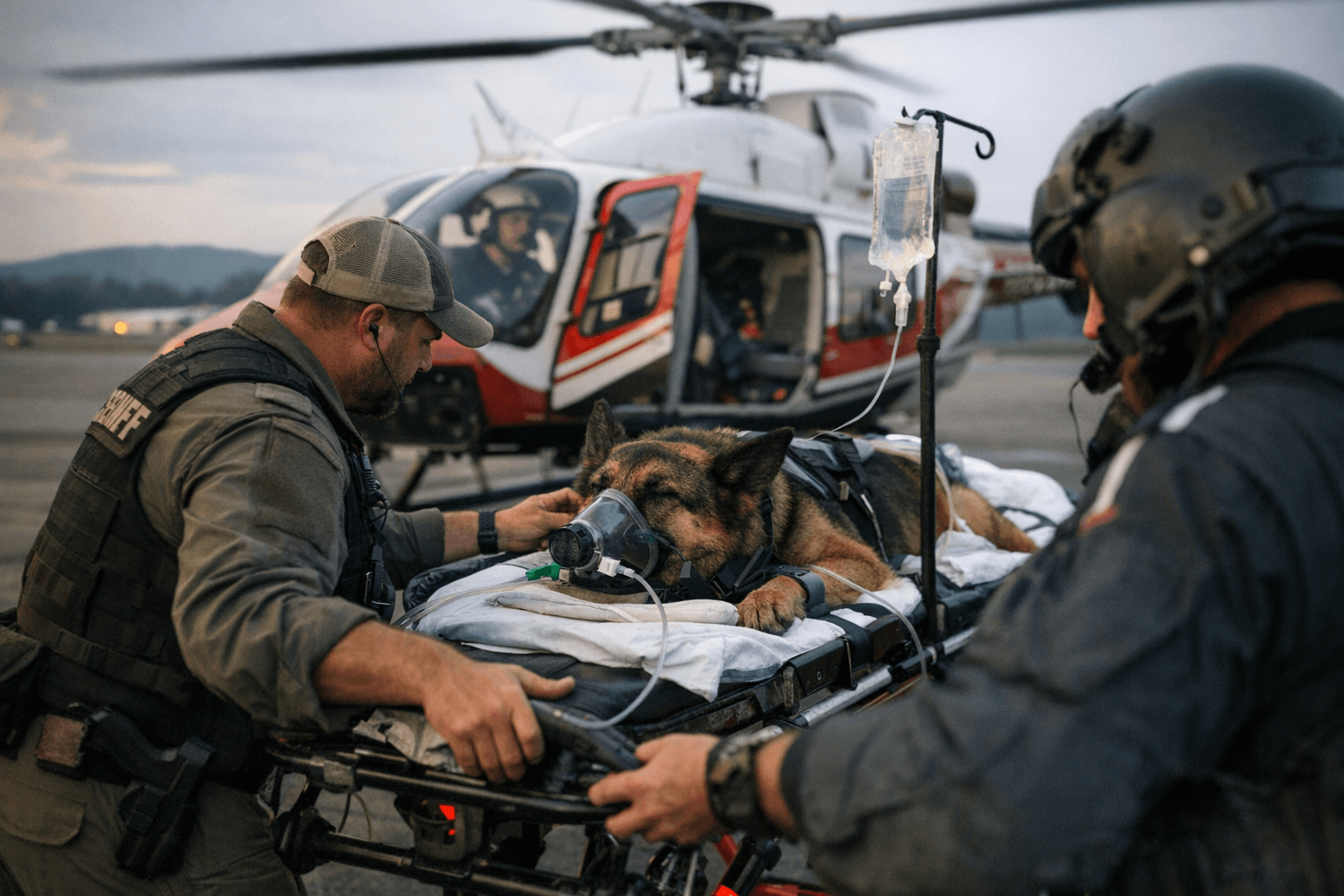
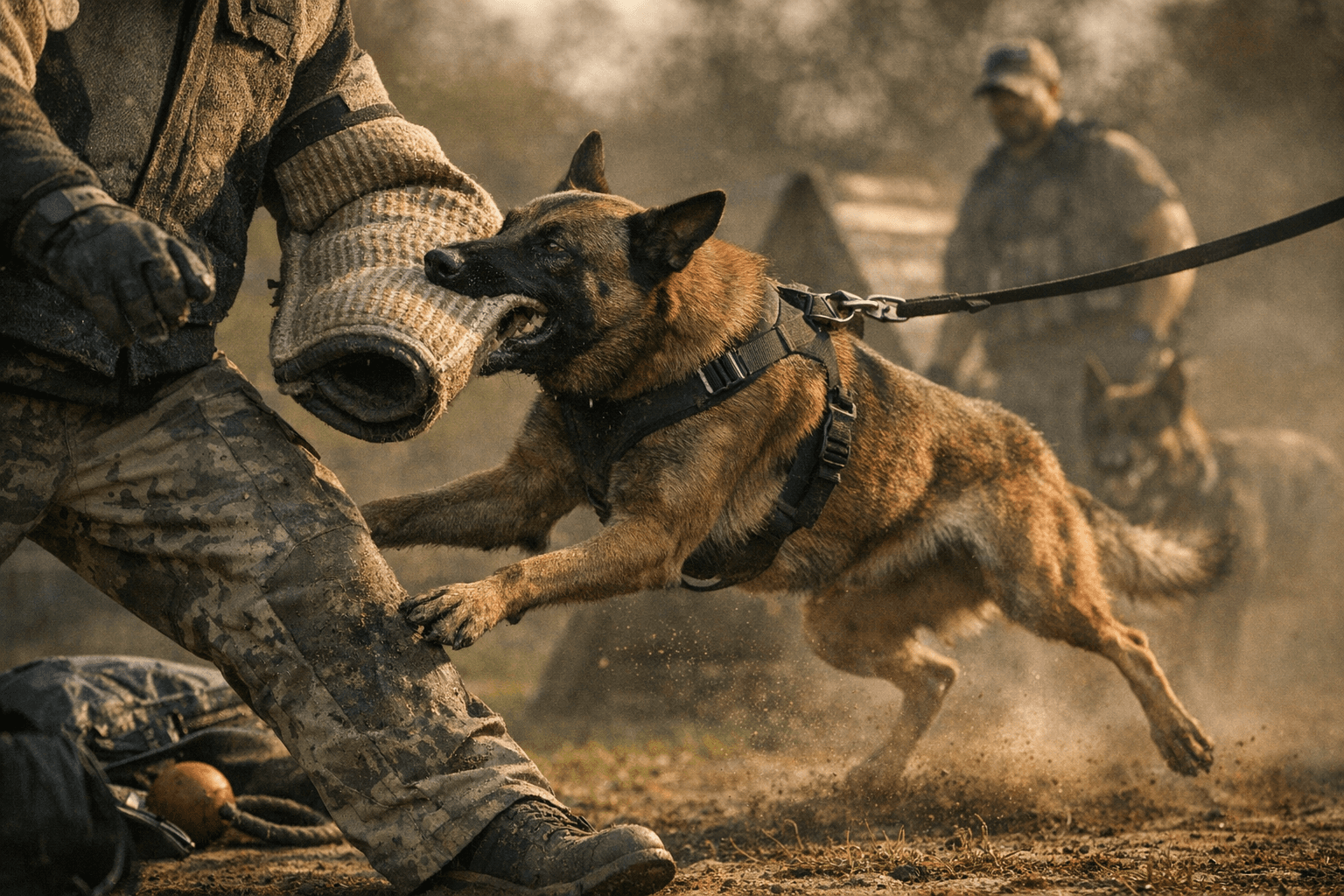
Luca, a 6-year-old Belgian Malinois who had spent about seven years working drug detection and apprehension for the Clay County Sheriff’s Office, became the first law-enforcement dog flown under Tennessee’s new K-9 air transport program after a concentrated ozone exposure sent him into respiratory distress. The dog was crated in an enclosed space when an ozone machine inadvertently turned on on April 21, 2026, and the episode quickly turned into a race for advanced veterinary care.
Sheriff Mark Buchanan said the exposure left Luca vomiting and struggling to breathe. Handler Investigator Steven Smith got him to Big Bear Veterinary Clinic in Hayesville, North Carolina, where Dr. Kayla Lawlor and her staff stabilized him before sedation and transfer. From there, Erlanger LIFE FORCE Air Medical took over, flying Luca to Knoxville for treatment at the University of Tennessee Veterinary Medical Center.
The handoff was a full multi-agency operation, not a routine animal transfer. The University of Tennessee Police Department and the Knoxville Fire Department helped secure a landing zone off Cherokee Farm Way near Alcoa Highway and move Luca quickly to the hospital. Clay County did not pay for the specialized transport, a detail that matters because this kind of emergency can cost a local agency precious time as well as money.
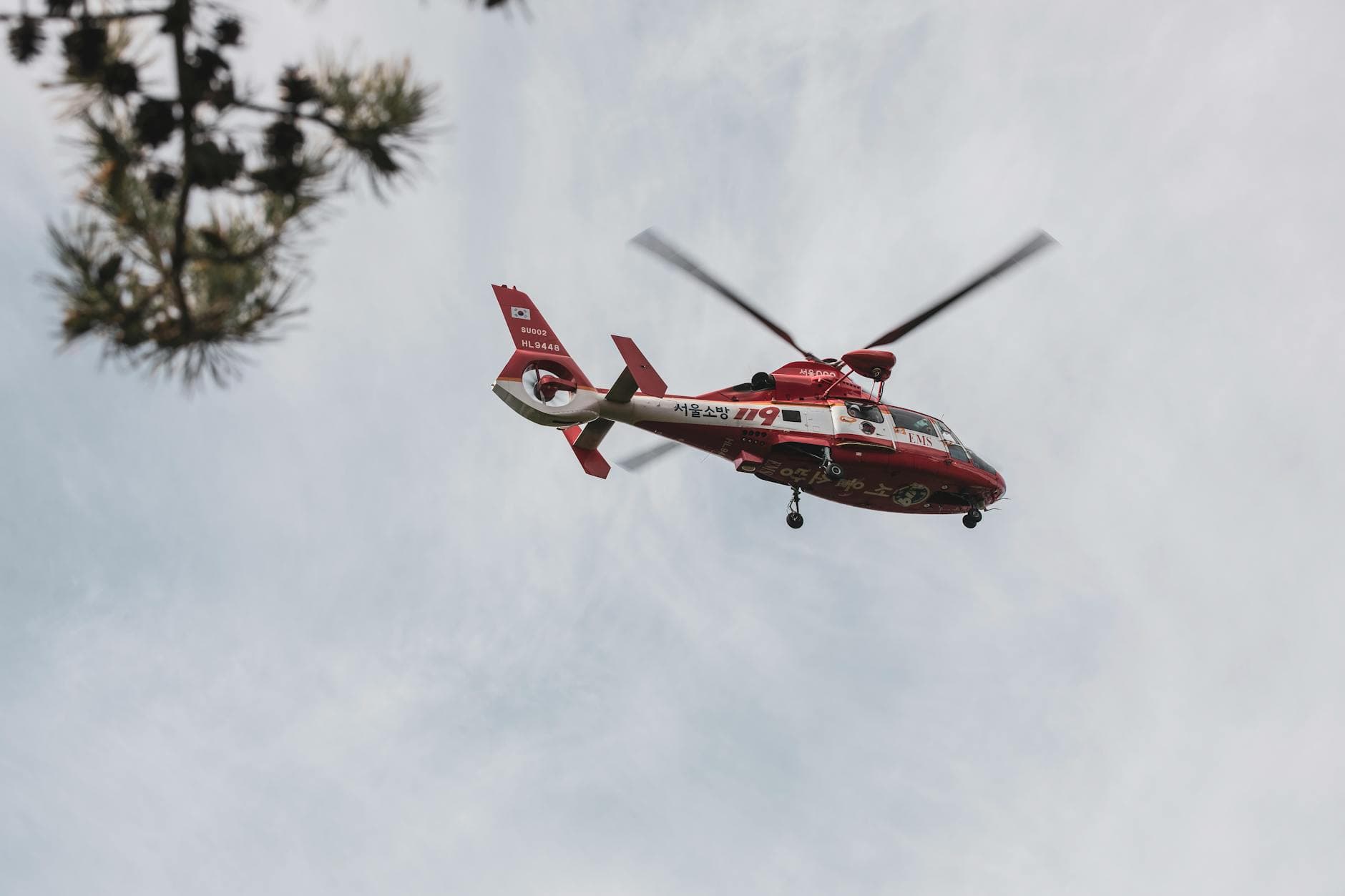
The case was also the first real-world test of a program that had already been rehearsed. LIFE FORCE had conducted a dry run in Knoxville in September 2025, then two more practice exercises with emergency veterinary groups in Chattanooga before ever carrying a live K-9 patient. The service says it is the first EMS agency in Tennessee to offer dedicated transport for working dogs, and one of only a small number in the country to do it. Its aircraft are outfitted with K-9 gear including muzzles, oxygen masks and chest tube kits, and flight crews are trained to handle canine anatomy and emergency stabilization.
That training mattered when the call came in. Stacy Prater, the LIFE FORCE K-9 transport coordinator, said the dogs deserve every fighting chance when they are injured in the line of duty, and Luca’s run proved the point. The University of Tennessee College of Veterinary Medicine highlighted the partnership as a history-making milestone, while later updates said Luca was progressing well and expected to be discharged within days. For a working dog facing acute lung injury from ozone exposure, that kind of speed can be the difference between a long recovery and something far worse.
Know something we missed? Have a correction or additional information?
Submit a Tip