Papillons charm with brains and energy, but need plenty of training
Papillons look like pocket-size lapdogs, but their brains and drive demand daily training, games, and inclusion.
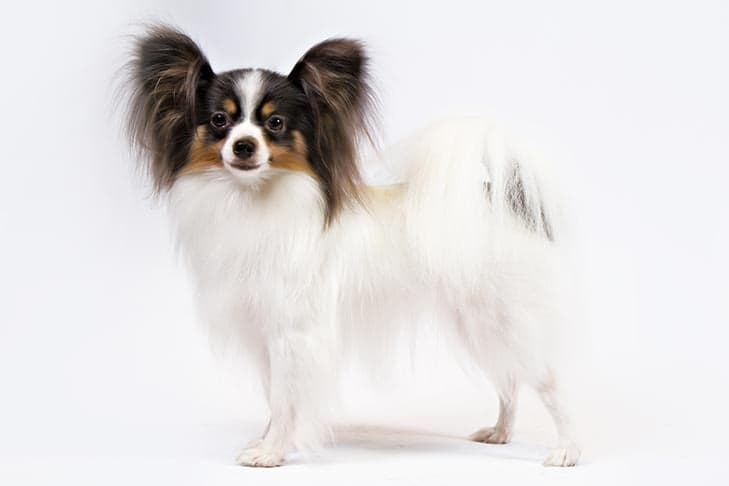
Papillons are the kind of dog that can fool a room at first glance. They are tiny, elegant, and built to be portable, but the moment you live with one, the toy-dog disguise drops and the working mind shows through. If you want a compact companion, the Papillon can fit beautifully, but only if you are ready for daily mental work as well as cuddles.
Small dog, big engine
The breed standard makes the scale clear: the American Kennel Club describes the Papillon as a small, friendly, elegant toy dog with a fine-boned structure and a height at the withers of 8 to 11 inches. The Fédération Cynologique Internationale places the breed in Group 9, Companion and Toy Dogs, Section 9, the Continental Toy Spaniel and others group. That classification matches the reality on the ground: this is a companion breed, but not a passive one.
For people drawn to size alone, that distinction matters. A Papillon may look like a delicate lapdog, yet the breed’s natural energy, alertness, and intelligence mean it wants more than a soft bed and a short walk. The upside is obvious if you enjoy an interactive dog; the downside shows up fast if you expect a couch ornament.
A tiny breed with a long paper trail
Papillons are not a new fad in a small package. The American Kennel Club says the first Papillon it registered was Joujou in 1915, and the Papillon Club of America says the breed’s parent club was formed in 1935. That history gives the breed a sturdy place in the American dog world, even as its roots stretch far beyond modern registration records.
The Papillon Club of America also notes that Papillons can be seen in paintings by the Old Masters of Western Europe beginning in the early 16th century. That long visual history fits the breed’s refined look, but it also hints at why the Papillon has lasted: people have valued this little dog for centuries, not just for appearance, but for presence and personality.
Brains are the hook, and the caution
The breed’s intelligence is what wins many owners over. Papillons are typically very trainable, eager to please, and quick to pick up tricks and commands, which makes them rewarding for anyone who enjoys teaching a dog. If you like shaping behaviors, building cues, or chasing performance-style fun, a Papillon can feel like a tiny, electric teammate.
That same intelligence comes with a catch. Smart Papillons can get bored quickly, and boredom in a small body often turns into destructive behavior rather than quiet mischief. The practical answer is simple and non-negotiable: give the dog stimulating toys, regular training opportunities, and social interaction, because a Papillon’s brain needs a job every day.
What that daily work can look like
- Short training sessions that stay fun and varied
- Puzzle toys and other mentally engaging games
- Social time with the household rather than isolation
- Enough structure to keep boredom from taking over
A Papillon that gets that kind of attention usually thrives on it. The breed’s energy becomes an asset when it has somewhere to go, and the same dog that might shred a bored afternoon can turn into a sharp, responsive partner once you start asking for work.
Affectionate, loyal, and family-minded
Papillons are also known for being affectionate and loyal. They usually bond with everyone in the household rather than attaching to only one person, which can make them an easy fit in homes that want a dog with broad social ties. That broad attachment is one reason they feel so integrated into family life instead of hovering at the edge of it.
They are generally good with children, too, but the breed’s tiny size changes the rules. A Papillon can be injured if handled roughly, so supervision still matters even when the temperament is friendly. The right child-dog pairing is less about age on paper than about whether the people around the dog know how small a small dog really is.
Grooming is light, but health still needs attention
One quiet advantage of the breed is that grooming is relatively simple, especially compared with many other long-coated toy dogs. That makes upkeep more manageable for people who want a pretty dog without a complicated coat routine. The Papillon’s appeal is partly that it delivers elegance without asking for the level of coat maintenance some other toy breeds require.
Health needs a closer eye. Breed-profile sources commonly place Papillon lifespan at about 12 to 16 years, and hereditary concerns include patellar luxation and progressive retinal atrophy, or PRA. The Orthopedic Foundation for Animals’ CHIC framework for Papillons includes eye and patella screening requirements, and the Papillon Club of America emphasizes submitting patellar luxation evaluations, including normal and abnormal findings, to improve the quality of the breed data.
There is also a practical veterinary note that owners should not overlook: the Papillon Club of America says Papillons are among the more anesthesia-sensitive breeds. That is the kind of detail that matters before surgery or dental work, because it changes how carefully you plan around a very small body with a very specific set of risks.
In the end, the Papillon’s appeal is not just that it is small. It is that this is a small dog with a large working personality, the kind of companion that wants to think, move, and stay involved. If you are prepared for the brain behind the silk and the engine behind the charm, the Papillon gives you exactly what the breed has always promised: a toy-sized dog that refuses to live like a toy.
This article was produced by Prism’s automated news system from verified source data, official records, and press releases, then run through automated quality and moderation checks before publishing. The system is built and supervised by the people who set the standards it runs under. Read our full AI policy.
Did this article answer your question?