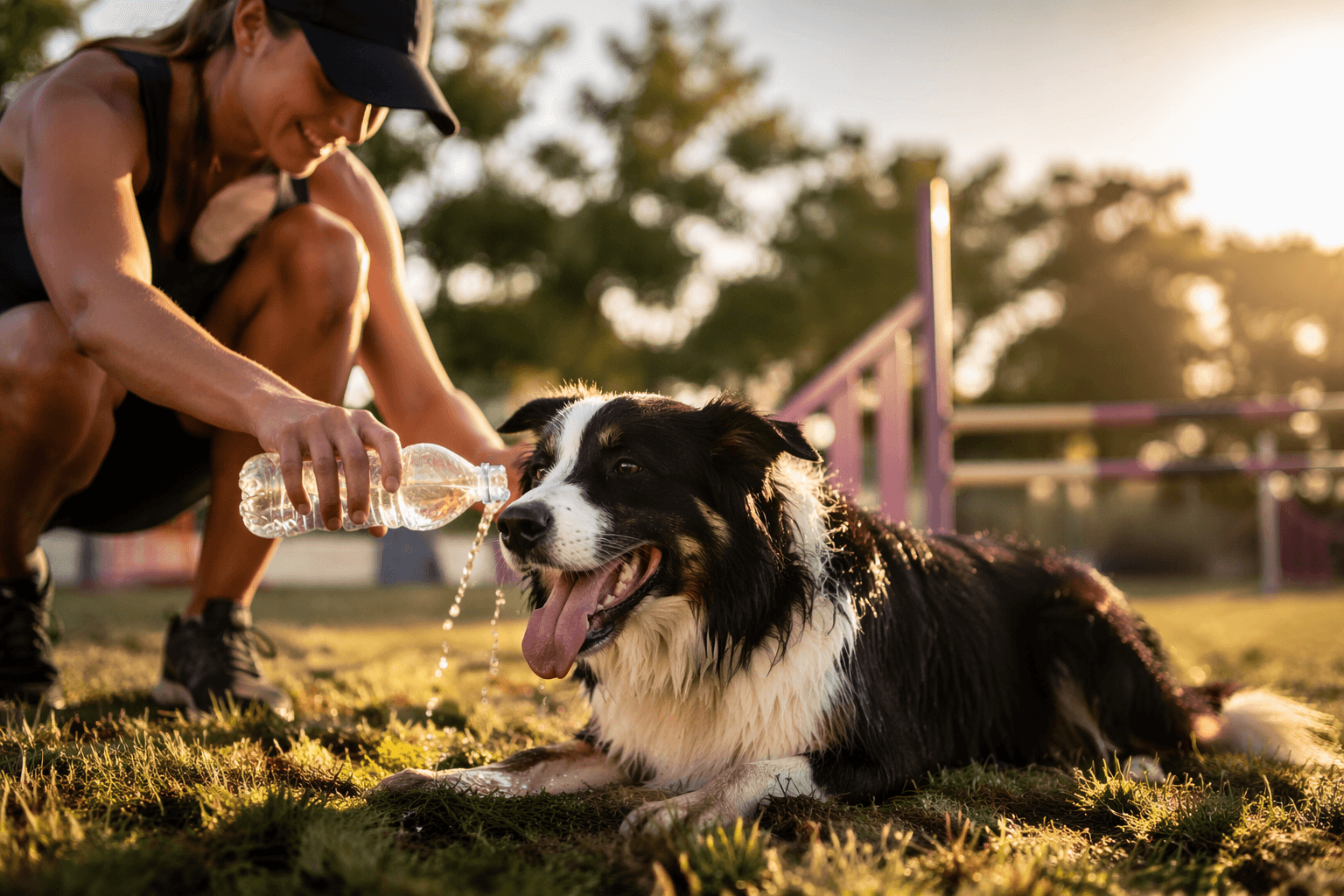
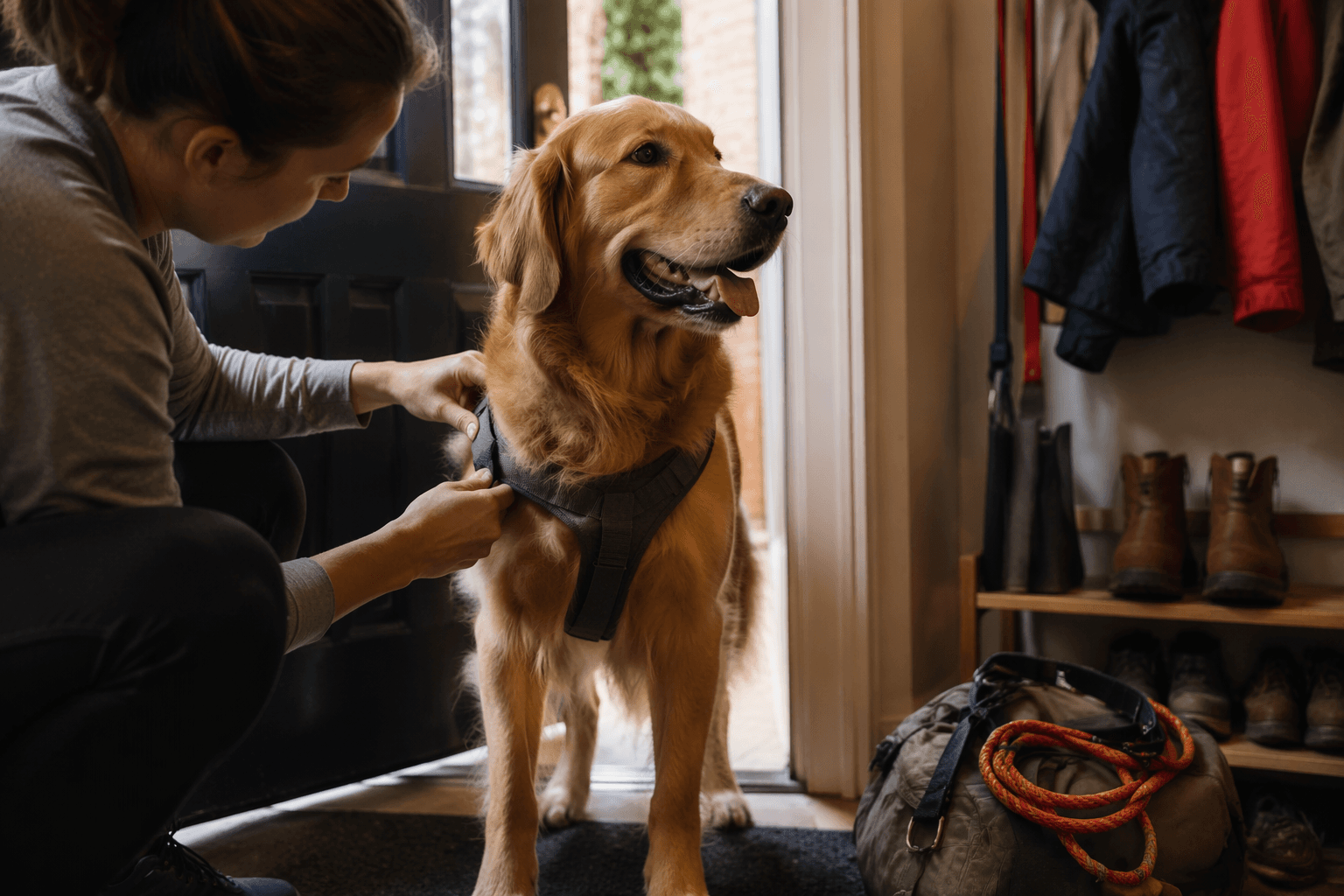
Rally obedience turns everyday training into a dog sport challenge
Rally obedience gives high-energy dogs a job, not just drills, turning basic cues into a 10-to-20-sign course built for focus, teamwork, and family fun.

A rally course takes the commands you already use at home and turns them into a moving challenge. Instead of grinding through sit, stay, and come in place, you and your dog work side-by-side through a course that asks those skills to do something. That is why rally lands so well with dogs that get bored easily: it gives the training a purpose, a pace, and a finish line.
NBC4’s Pet Tips & Tricks segment brings that idea into focus at Joel Slaven’s Dog Lodge, where Monica Day follows the action around rally and ARF. The segment frames the sport as more than a obedience drill, showing how a dog can stay mentally busy while still reinforcing the manners every household wants. For owners of high-energy dogs, that is the appeal in one sentence: structure without staleness.

Why rally feels different from standard obedience
The American Kennel Club launched AKC Rally in 2005, and it has grown into a family sport that the organization says gains participation each year. It is open to all AKC-recognized breeds, along with All-American Dogs that have AKC PAL or Canine Partners numbers, which keeps the gate wider than many people expect. That openness matters if you are bringing a mixed-breed dog, a young dog, or an older dog into the sport for the first time.
Rally is built around teamwork rather than strict silence. AKC courses typically use 10 to 20 signs or exercises, and the handler is encouraged to communicate freely with the dog throughout the run. Verbal praise, hand signals, clapping, and even patting your legs are part of the conversation, which makes rally feel more like a partnership than a test of perfect stillness.
The scoring also keeps the pressure from becoming punishing. Runs begin with a perfect score of 100, and a score of 70 or higher qualifies toward a title. In practice, that means the sport rewards control and consistency, but it does not ask you to treat one stumble like the end of the world. AKC describes rally as being about excellent skills, behavior, and teamwork more than speed, and that is exactly why it works for dogs who need focus more than brute physical output.
What a beginner run looks like
If you are stepping into rally for the first time, the first thing to expect is a short, readable course rather than a maze of complicated choreography. The signs guide you and your dog through basic exercises in sequence, so the learning happens in motion instead of in isolation. That makes the sport feel less like a lecture and more like a game your dog can understand quickly.
A beginner class usually centers on the building blocks that make a course work:
- learning how to move from one cue to the next without losing engagement
- practicing short stretches of focus between signs
- getting comfortable with praise and direction while the dog is in motion
- building confidence before adding more signs, cleaner turns, and sharper execution
That structure is especially useful for high-drive dogs because it channels energy into a task. A dog that blows through repetitive obedience repetitions can often settle into rally faster, because every cue has a job and every step leads somewhere. The sport gives your dog a reason to keep checking in with you, which is the kind of attention many owners spend months trying to build in other settings.
Why families keep coming back to it
AKC calls rally a family sport for a reason. The setup makes room for people of different ages to participate in training, and the communication-friendly rules help make it less intimidating for households that are new to dog sports. Kids can be part of that rhythm by helping practice sign patterns at home, calling out familiar cues, or becoming the dog’s cheer section during training sessions and practice runs.
That family feel is one reason rally sits in such a useful middle ground. It is more active and goal-driven than a plain obedience class, but it does not demand the same explosive athleticism as more intense sports. For puppies, adults, and seniors alike, the workload is mental first, which is a major advantage when the goal is to tire out a busy brain as much as a busy body.
The United States Dog Agility Association also presents rally obedience as something that fits both newcomers and experienced competitors. That broader messaging shows why the sport keeps showing up as an on-ramp into dog sports. It is not just for polished handlers or dogs already deep into the competition world. It is for the pair that wants to learn together and keep learning.
Why Joel Slaven’s Dog Lodge fits the story
Joel Slaven’s Dog Lodge adds local weight to the sport’s appeal. The facility says it sits on 22 acres in Central Ohio and serves the Columbus area with boarding and training centered on teaching dogs and owners to become partners. That mission lines up neatly with rally, which depends on clear communication and trust more than force or repetition.
Slaven’s own background helps explain why the segment feels so grounded in real dog-world experience. He says he has more than 50 years in the animal industry, with work that includes Darby Dan Farms, the Columbus Zoo for Jack Hanna, and show-producing and training roles at places such as Cypress Gardens, Silver Springs, Six Flags over Texas and Georgia, and Arabian Nights Dinner Theater. That is the résumé of someone who has seen dogs work in many different settings, and it gives the rally segment a seasoned-trainer perspective rather than a casual hobbyist one.
For owners of high-energy dogs, rally hits a rare sweet spot. It gives obedience a job, gives communication a purpose, and gives a restless dog a sport instead of a lecture. That is why a course with 10 to 20 signs can feel more satisfying than a hundred straight repetitions, and why rally keeps looking like the right next step for dogs that need more than a walk around the block.
This article was produced by Prism’s automated news system from verified source data, official records, and press releases, then run through automated quality and moderation checks before publishing. The system is built and supervised by the people who set the standards it runs under. Read our full AI policy.
Did this article answer your question?