Road-trip essentials for dogs, from hydration to travel-safe food
The safest road trips start before you pull out of the driveway: secure the dog, pace the breaks, and pack water and food that can handle the miles.

Loose movement in the car, heat buildup, dehydration, and mealtime chaos are the pressure points that can turn a road trip with a high-energy dog into a full-day ordeal. The smartest packing list works like a travel system, not a pile of random gear, with each item solving a specific problem before it becomes a roadside emergency.
Build the car setup before the first mile
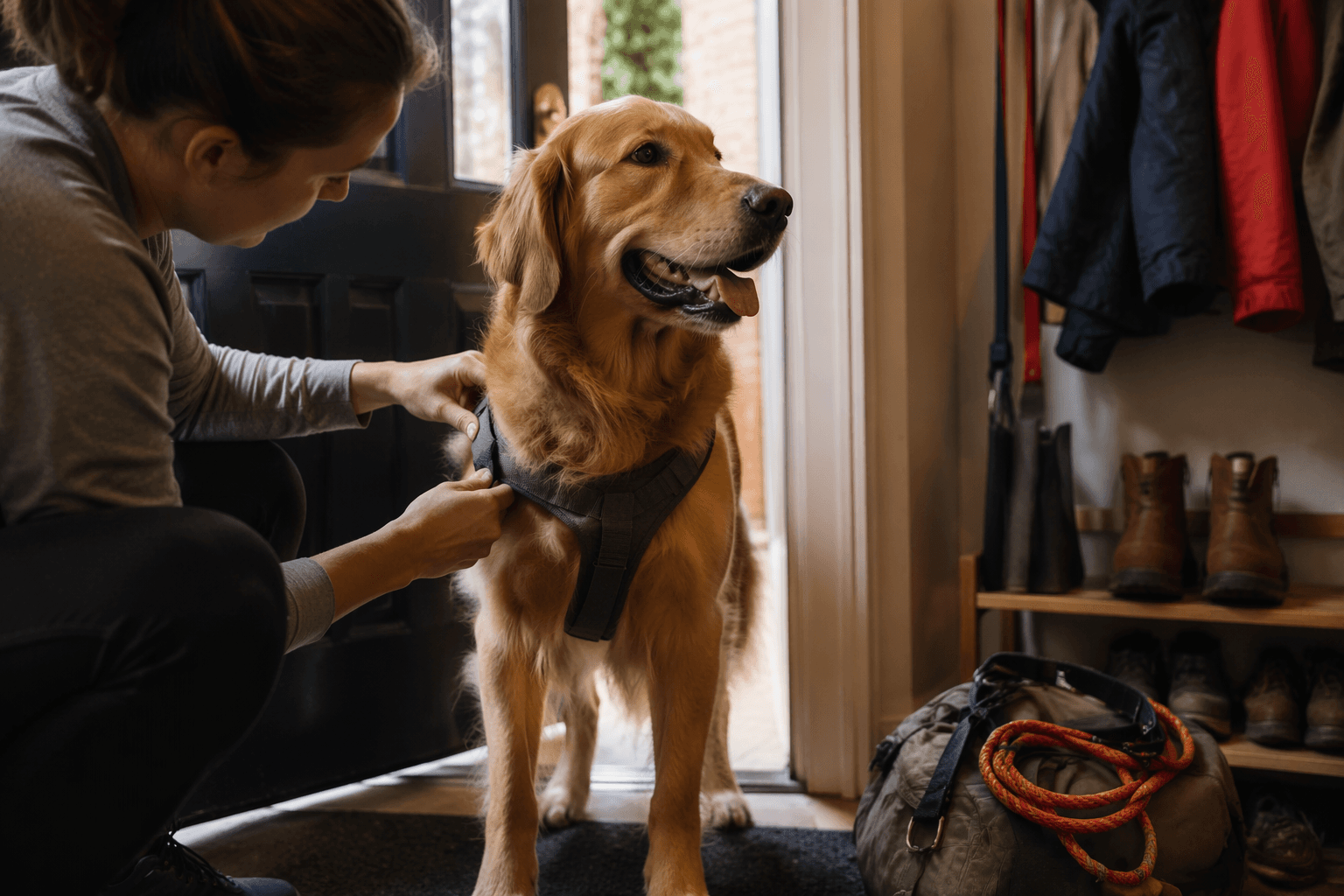
The first job is keeping the dog contained and stable. The American Veterinary Medical Association flags two especially risky behaviors in vehicles: leaving pets in cars and letting them ride loose while driving. That makes a crash-tested kennel or safety harness more than a convenience item. The AVMA specifically encourages evidence-based crash testing for the restraints people actually use on the road.
Preparation starts well before a long interstate run. The Centers for Disease Control and Prevention recommends a series of short practice drives, gradually increasing the time spent in the car so the dog learns that motion does not always mean a marathon.
Pack food and water like you are feeding on the move
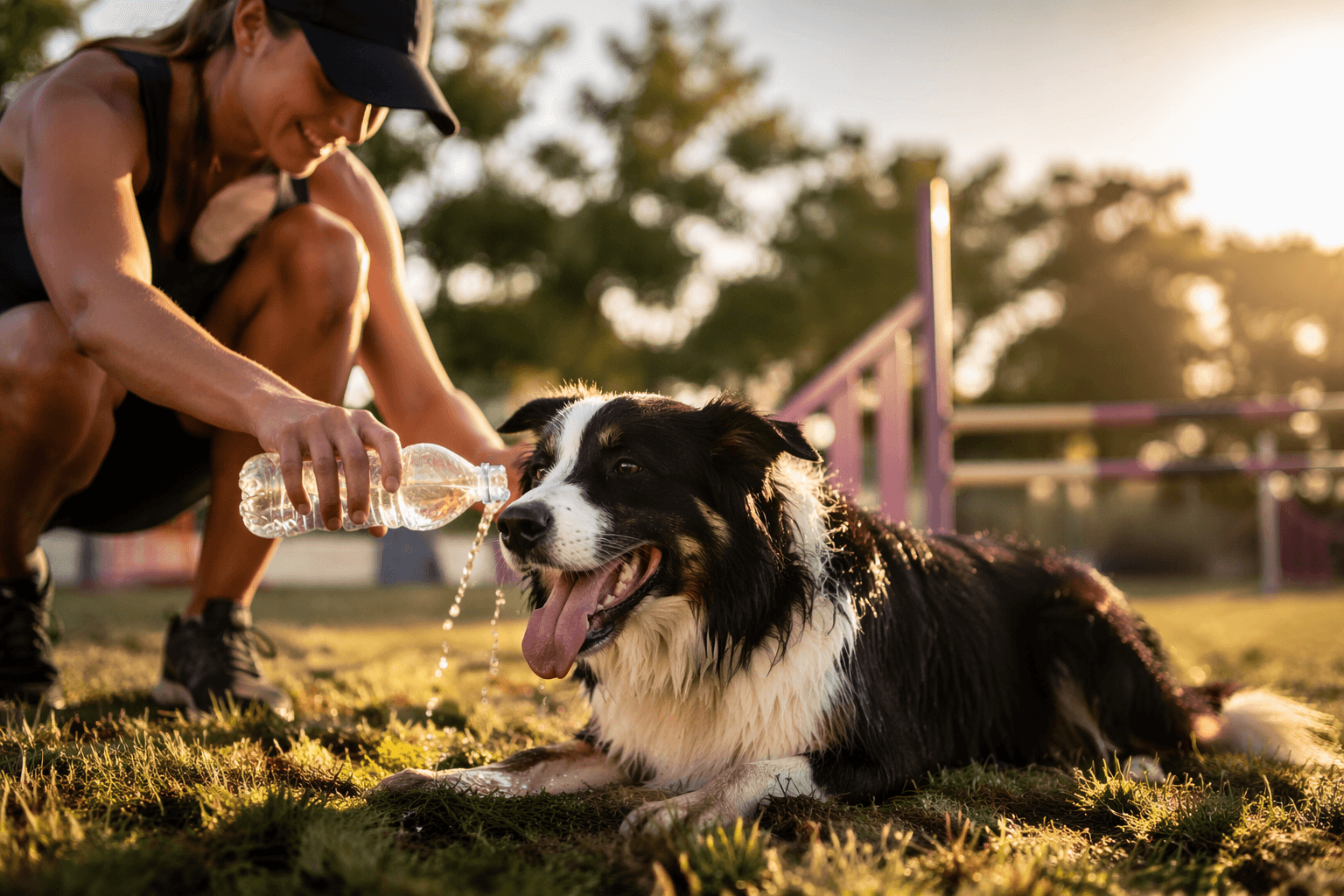
Hydration is the backbone of the whole trip. Collapsible bowls save space in the door pocket or day bag, and a dedicated dog water bottle lets the dog drink at a rest stop, at camp, or during a quick pause off the highway. That matters even more when the dog is active, excited, or traveling in warm weather, when the AVMA says dogs should always have unlimited fresh water and access to shade outside.
Travel-safe food needs the same level of planning. If your dog eats wet food or fresh food, a portable mini fridge gives you a way to keep meals at the right temperature and reduce the risk of illness while you are moving from one stop to the next. The U.S. Food and Drug Administration says pet food and treats should stay in the original container or bag so the UPC code, lot number, product name, manufacturer, and best-by date remain available if there is a problem.
- Collapsible bowls for food and water
- A dog water bottle for stops and breaks
- A portable mini fridge for wet or fresh diets
- Treats that can be portioned out on the road
- Grooming and cleaning supplies for spills, dirt, and drool
A simple pack list covers the basics without overcomplicating the car:
Use treats and toys as part of the travel plan
Treats and toys are not just bonuses for good behavior. On a long drive, they help turn the car into a place where the dog can stay occupied instead of scanning the windows, pacing the seats, or ramping up every time the scenery changes. For high-drive dogs, that can make the difference between a manageable trip and a front-seat meltdown.
The point is not to flood the dog with stimulation. It is to give the dog enough familiar, rewarding activity that the car becomes predictable. A chew item or toy can anchor the dog during the hardest stretch of the ride, especially when the dog is still learning that long hours in the vehicle do not mean constant motion or constant excitement.
Treat movement breaks like pressure valves
The CDC’s guidance on road-trip prep is clear: start with short drives and build up, then keep checking in with the dog through the trip. That mindset works on the road too, where timed movement breaks give an overexcited dog a chance to reset before the energy spikes again.
Those pauses also connect directly to heat safety. The CDC warns that pets can suffer heat-related illness in parked cars and says never to leave a pet in a parked car. If the dog is out of the vehicle, the AVMA says warm-weather breaks should include unlimited fresh water and shade.
Plan for the border before you cross state lines
If the road trip goes beyond your home state, the paperwork side matters as much as the packing side. The CDC advises travelers to check requirements before bringing pets across state lines, and the AVMA notes that interstate or international travel can require preparations that start six months or more in advance.
This article was produced by Prism’s automated news system from verified source data, official records, and press releases, then run through automated quality and moderation checks before publishing. The system is built and supervised by the people who set the standards it runs under. Read our full AI policy.
Did this article answer your question?