Sheepdog competition videos may help scientists control chaotic swarms
Sheepdog trials show chaos in miniature: a dog waits, reads, then nudges four or five jittery sheep into order, and scientists are borrowing the trick.

A sheepdog trial is at its most thrilling when the dog seems to be doing almost nothing. It circles, checks the flock, and waits for four or five sheep to stop spinning through their own anxieties, then suddenly moves with purpose. That pause-and-push rhythm is why a recent science story treats sheepdog competition footage as more than a dog sport clip: it is a working model of how to guide chaos without crashing it.
The pause before the burst
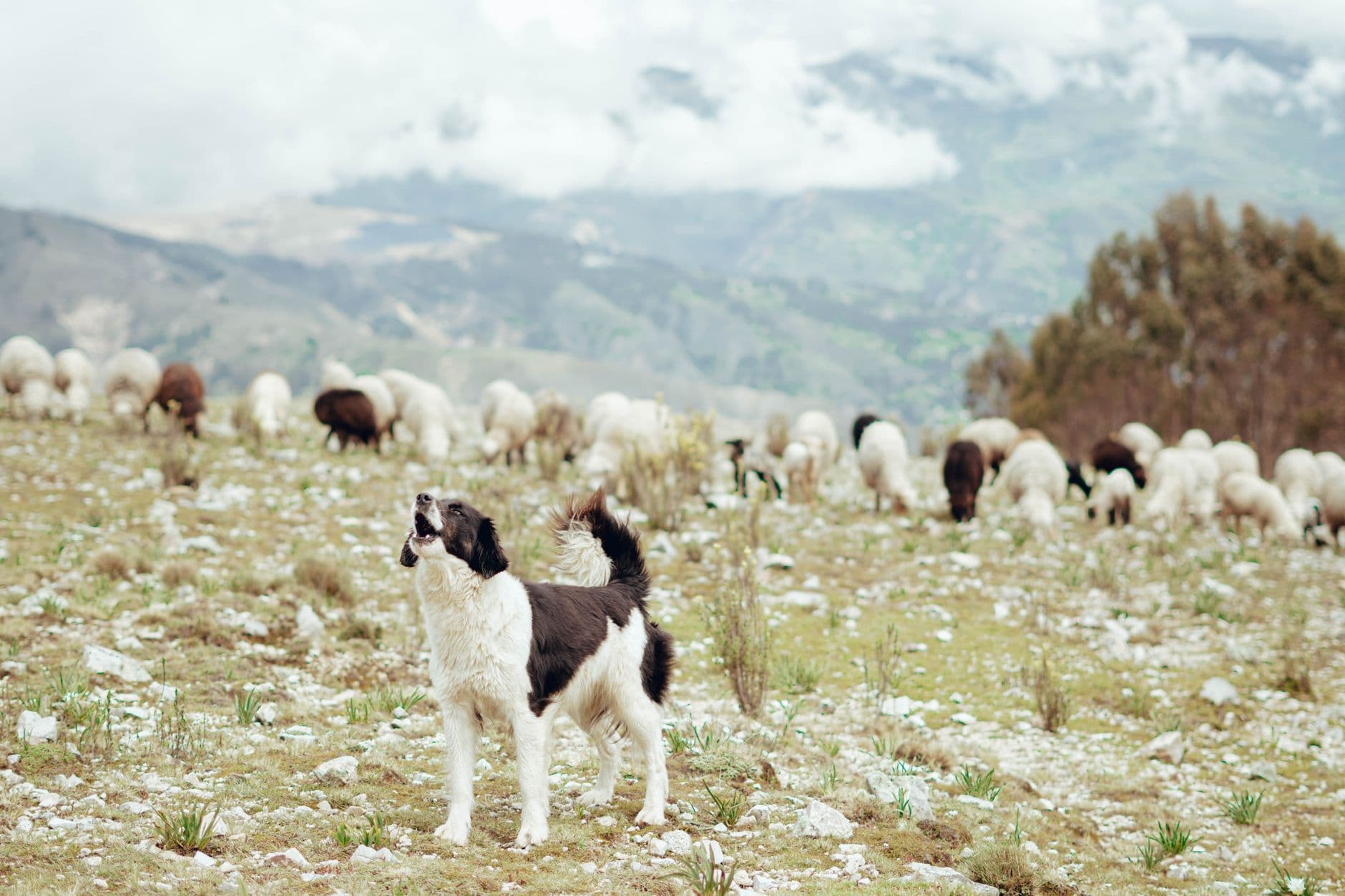
Sheepdog competitions have been around since the 1870s, and the format is beautifully simple. A handler uses whistle signals to direct a trained dog across a field, where the goal may be to move a small group of sheep or split the flock cleanly into two groups. The action looks calm from a distance, but the pressure is intense because the dog is working against animals that do not always agree on what they should do next.
What makes the footage so watchable is that the dog is never overpowering the flock. Sheepdogs routinely manage groups of 50 or more in ordinary herding work, but in trials the challenge is often reduced to just four or five sheep, which are harder to predict, not easier. In other words, the sport compresses the whole problem into a tight little arena where every twitch matters, and every decision from the dog has to arrive at the right instant.
Why the smallest flock can be the hardest
The researchers who studied these trials found that small groups are “noisier,” meaning the sheep are less predictable and keep switching between two instincts: “Flee the dog!” and “Keep calm and follow the others.” That switching is exactly why the footage is so revealing. A larger herd can behave more coherently because more sheep are sheltered in the center, but a tiny flock exposes every wobble in attention, fear, and momentum.
The key move is not force, it is timing. By watching sheepdog videos and talking with farmers in Georgia, the researchers saw a two-step pattern: first, the dog waits until the sheep are facing the right direction while they are still flipping around at random, then the dog moves in immediately to trigger motion. Once the flock starts moving, it may break formation again, so the dog pauses and waits for another opening. Saad Bhamla described it as a “delicate dance,” and that is exactly what it looks like when a skilled dog works at the edge of chaos instead of charging through it.
What elite working dogs reveal about drive
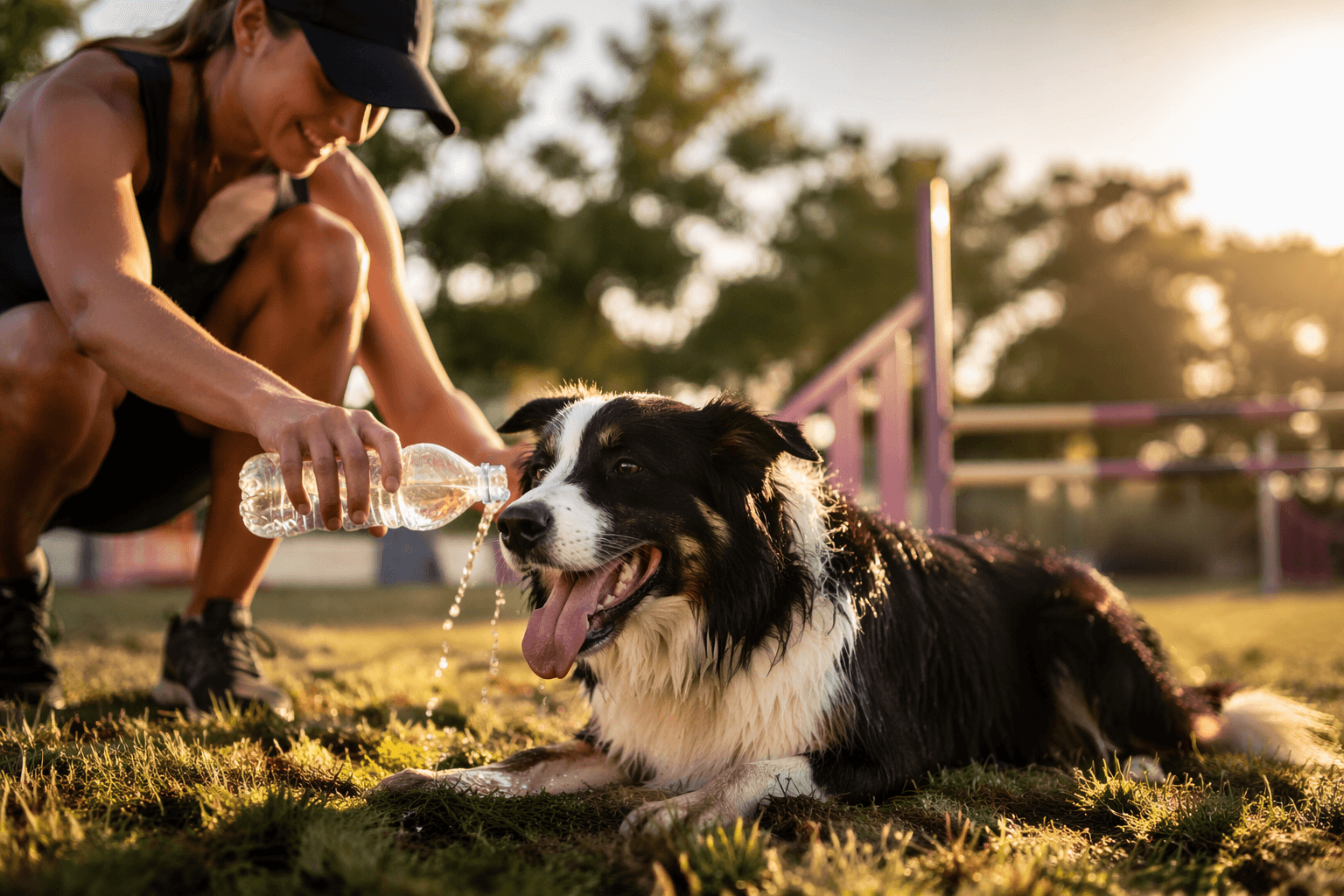
For anyone who lives around high-octane dogs, this is the part that feels instantly familiar. Energy alone is not the skill on display here. The real performance is energy plus judgment, restraint, and the ability to stay connected to a handler who is often working at a distance with whistles and body position instead of hands on the dog. The trials also show that different sheep need different pressure: some panic if pushed too hard, while others ignore mild pressure and require stronger positioning before they will move.
That is why sheepdog videos are such a useful watch for hyperenergetic-dog people. The best dogs are not the ones that look the wildest for the longest stretch; they are the ones that know when to press, when to hold, and when to let the flock settle itself just long enough to become steerable again. Even the strongest drive becomes more effective when it can be dialed, not just unleashed.
From pasture to robot swarms
The science payoff comes from that same lesson. Inspired by the sheep’s indecisiveness, the researchers built an “Indecisive Swarm Algorithm” for robots that keep switching who they follow, either the main controller or a neighboring bot. That approach made the robots easier to guide than systems that only follow the controller or average the movement of all their neighbors, which can dilute the original signal. The researchers say the same idea could help coordinate drones, self-driving cars, AI agents, and other networked systems that have to move together without locking up.
Ted Pavlic, a computer scientist at Arizona State University, put the logic in plain terms: “Indecisiveness prevents the group from binding up and makes it more pliable.” That is the strange beauty of the whole story. The sheep are not simply obstacles, the dog is not simply chasing, and the handler is not simply calling cues. Together they create a living demonstration of how to steer a crowded system by working with its instability instead of fighting it head-on.
That is why the best sheepdog clips are so absorbing: the real drama is not the sprint, but the moment before it, when a smart dog reads the flock, waits for the opening, and turns a jittery mess into motion. The pasture becomes a laboratory, and the pause before the burst is where control begins.
This article was produced by Prism’s automated news system from verified source data, official records, and press releases, then run through automated quality and moderation checks before publishing. The system is built and supervised by the people who set the standards it runs under. Read our full AI policy.
Did this article answer your question?