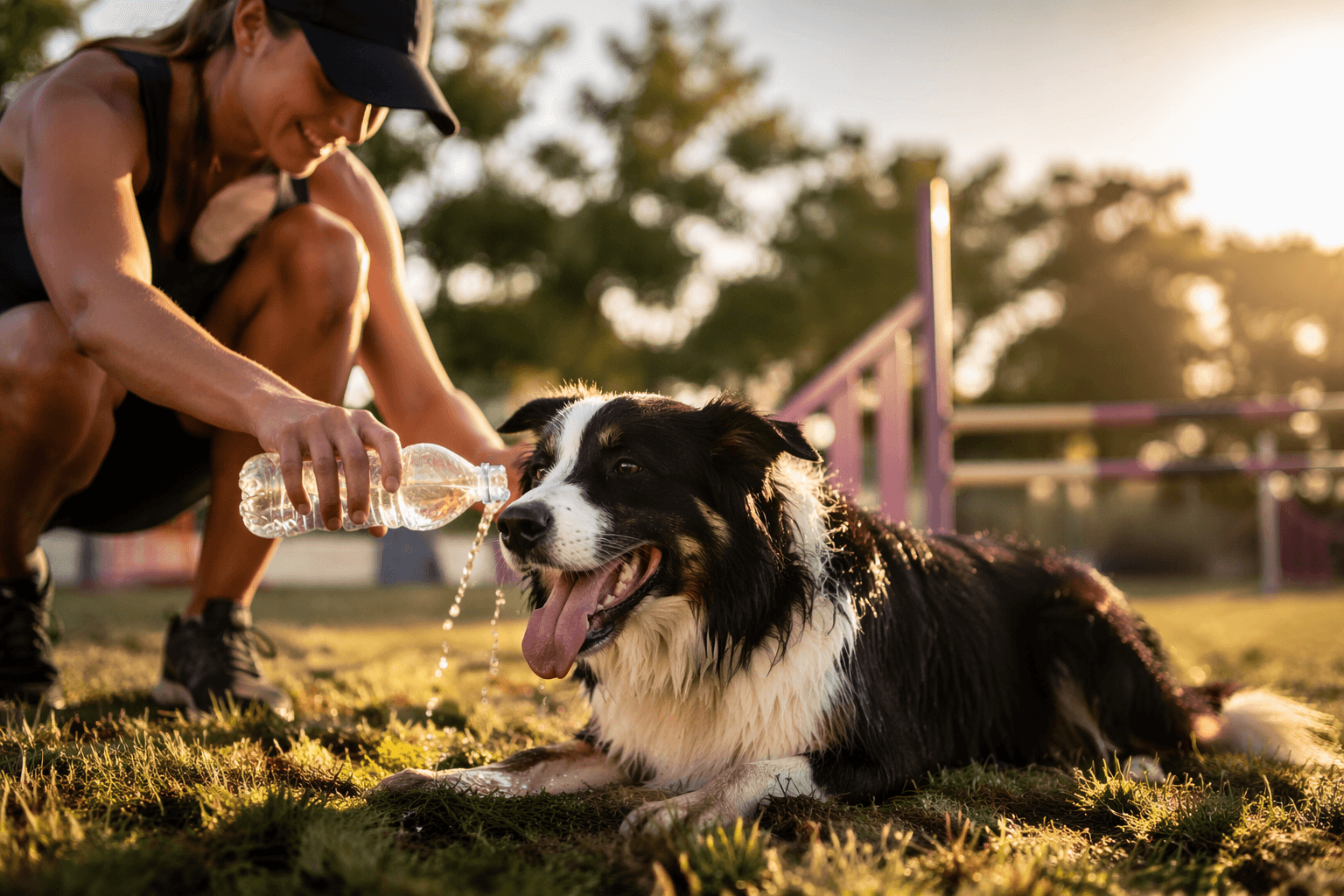
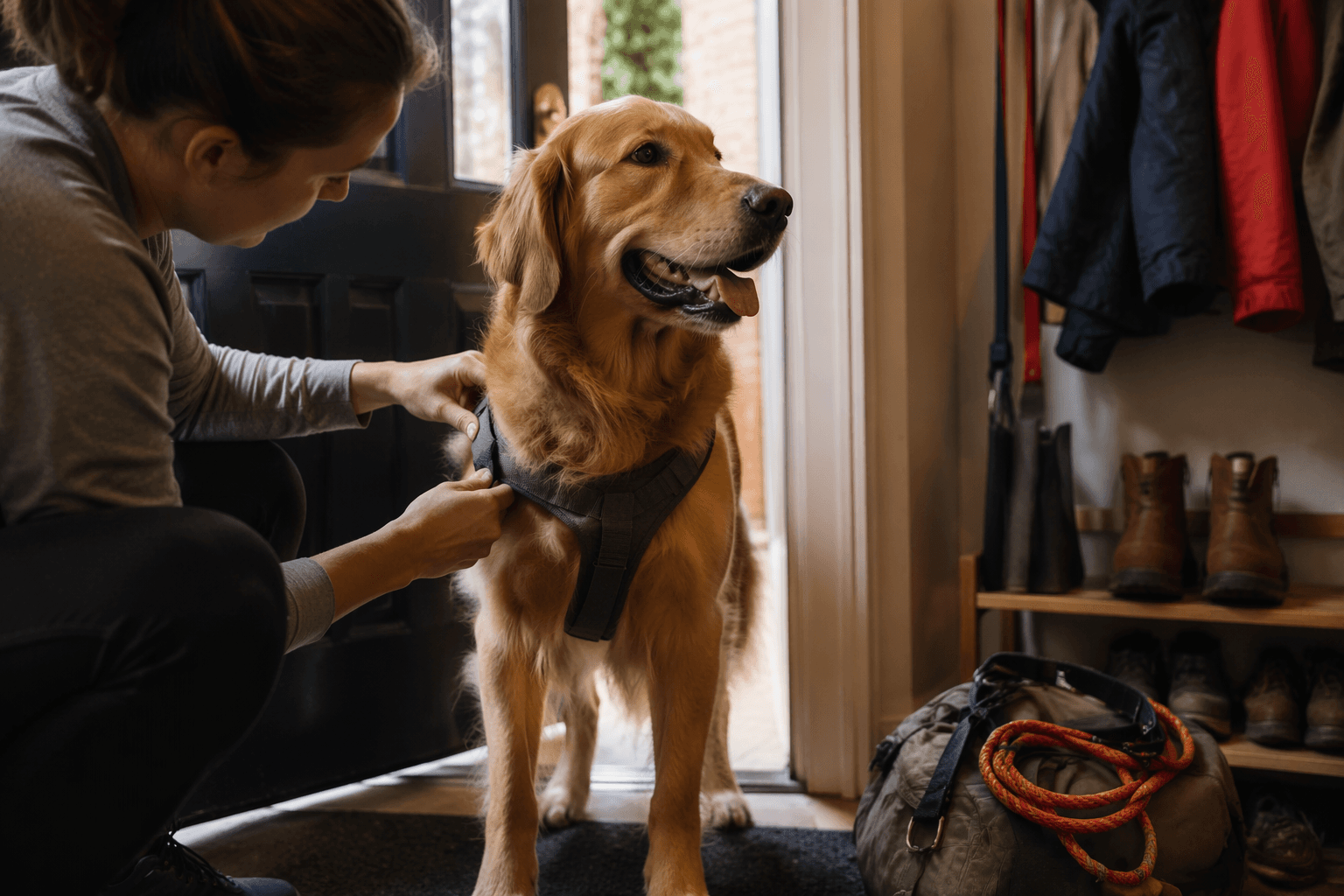
Sweaty Paws turns canine fitness into performance and recovery care
An 11-year-old Aussie’s comeback shows why canine fitness is becoming a real tool for strength, mobility, and recovery, not just a flashy add-on.

Fire’s comeback starts in the water
At Sweaty Paws in Eden Prairie, the dog on the treadmill is not there for a stunt. Fire, an 11-year-old Australian shepherd recovering from surgery for a brain tumor, is doing measured work on the water treadmill as part of a careful return to the strength she had before the operation. That scene captures the whole point of the business: canine fitness is being treated as performance care, recovery care, and long-term mobility management, all at once.
The facility sits at 6585 Edenvale Boulevard, Suite 120, and its model is built around personalized evaluations and low-impact water treadmill sessions. The goal is not simply to make a hard-charging dog tired. It is to build strength, improve mobility, and support conditioning in a way that fits the dog in front of you, whether that dog is headed back to sports, coming off surgery, or just trying to move comfortably for longer.
A business built by a handler who thinks like an athlete
Sweaty Paws did not emerge from a generic pet services trend. Darcy Roessler and her husband, Steve, started the company in 2020 near New Prague, then opened the Eden Prairie location in 2024. Roessler’s background matters because it explains the company’s tone: this is a fitness program shaped by someone who has spent more than 25 years training her own dogs in agility, dog jumping, disc competitions, and barn hunts.
That history shows up in the way the business talks about canine conditioning. Roessler is identified in event listings as holding two canine fitness certifications, CCFT and CPCFT, and the company’s seminars and workshop materials extend well beyond general exercise advice. They serve handlers in flyball, agility, obedience, dock diving, and barn hunt, which is exactly the kind of sports mix that tells you this is a place for working dogs, not a novelty gym for pets.
For hyperenergetic dogs, that distinction matters. A walk can be part of the day, but it does not always provide the strength work, body awareness, or impact control that hard-driving dogs need. A dog that lives to sprint, jump, turn, and launch benefits from training that treats the body as a system, not a battery to drain.
What the water treadmill actually does
The water treadmill is the centerpiece because it lets dogs work under controlled resistance while reducing stress on joints. Sweaty Paws frames those sessions as low-impact, and that is the key idea: the dog still moves, pushes, and coordinates effort, but buoyancy changes how much force lands on the body. For dogs that are still competing, that can support conditioning. For dogs in recovery, it can keep the body active without asking it to absorb the same pounding as land work.
Veterinary rehabilitation sources back up that model. Underwater treadmill hydrotherapy is used as controlled, targeted therapy, and it is commonly applied to postoperative patients, neurological cases, and dogs with chronic osteoarthritis. In practice, that means the treadmill is not a replacement for all other care. It is a tool that can sit alongside walks, sport training, and veterinary rehab plans when the goal is to improve how the dog moves, not just how much energy the dog burns.
The broader field helps explain why this approach looks more like medicine and conditioning than pampering. Canine rehabilitation has been developing as a discipline since about 2000, and practitioners often rely on objective measures such as gait analysis and range-of-motion tracking. That shift toward measurable outcomes is what makes modern canine fitness feel serious: people are not just guessing whether the dog seems better. They are looking at how the dog walks, how joints move, and how work tolerance changes over time.
Who this kind of conditioning helps
Sweaty Paws is especially relevant for dogs that need more than ordinary exercise. Competitive dogs use fitness work to prepare for demanding events in agility, dock diving, flyball, obedience, barn hunt, and related sports. Older dogs can use it to keep muscle and mobility from fading too quickly. Dogs coming out of surgery or dealing with neurological issues can use it as a bridge back to normal movement.
Fire is the clearest example of that bridge. Her sessions are not about getting her back into a random routine. They are part of a measured comeback after a major medical event, the kind of rehab journey where each session has a purpose. That same structure helps explain why high-energy dogs often need intentional conditioning even when they are not injured. A dog that is built to work hard can benefit from strength training before problems start, not only after they show up.
Sweaty Paws also fits a broader shift in dog ownership. Active families are looking for ways to keep dogs ready for sports, hiking, hunting, and everyday movement that does not fall apart with age or injury. In that world, canine fitness is not an indulgence layered on top of real life. It is part of keeping the dog available for the life the family actually wants to share.
What to expect from a session
The practical promise of the Eden Prairie location is straightforward: tailored fitness plans, water treadmill work, and guidance that matches the dog’s needs. For a dog in training, that may mean building strength and mobility on a schedule that supports sport performance. For a dog in recovery, it may mean more careful work focused on confidence, controlled motion, and gradual return to baseline fitness.
A few details make that care more than feel-good branding:
- Sessions are low-impact, which helps protect joints while the dog works.
- The approach is individualized, starting with personalized evaluations.
- The business also offers seminars and workshops for handlers who want to build conditioning knowledge around specific sports.
- The same tools can be used for performance, recovery, and aging dogs, depending on the plan.
The caution on the booking side is just as important. Hydrotherapy water can still contain bacteria and chemicals, and the business’s notes warn that veterinarian approval is needed for healed incisions or wounds before sessions. That is a reminder that canine fitness is part of a larger care system, not a substitute for medical judgment.
A serious tool for dogs that never seem to run out of gas
Fire’s treadmill work makes the point better than any slogan could. A dog can be an athlete, a patient, or both at the same time, and the best fitness programs understand that. At Sweaty Paws, the water treadmill, strength work, and individualized evaluations are being used to help dogs compete harder, recover smarter, and stay in motion longer. That is what serious management for high-energy dogs looks like when it is done with structure, not spectacle.
This article was produced by Prism’s automated news system from verified source data, official records, and press releases, then run through automated quality and moderation checks before publishing. The system is built and supervised by the people who set the standards it runs under. Read our full AI policy.
Did this article answer your question?