Teach hyperenergetic dogs emotional self-control through calm practice
Hyper dogs are not broken or naughty; they need practiced pauses. Short waits, mat settles, and food-delay games build the self-control that cuts door-rushing and chaos.
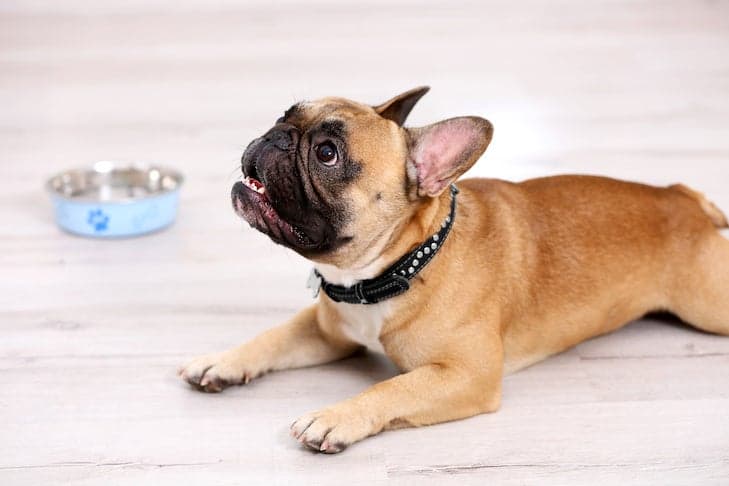
A sit before food, a down before the door opens, or a brief stay before a toy is released can teach an overamped dog to pause instead of explode. Hyperenergetic dogs often need skills around waiting, settling, and handling frustration. Stephanie Gibeault outlined that approach in AKC guidance.
Start by teaching the pause, not suppressing the dog
Emotional self-control is built the same way any other behavior is built: in short, repeatable reps. Start with easy wins, then add duration, distance, and distractions in tiny steps. A dog may look polished in a quiet room and then fall apart the moment a person enters, a leash comes out, or another dog appears.
The practical payoff shows up in the everyday flashpoints that drive people crazy. Four paws on the floor becomes the reward marker, not jumping. A quiet pause before a bowl drops, a relaxed body on a mat, or a dog choosing to stay put instead of launching toward stimulation all count as successful reps.
Know the difference between “wait” and “stay”
Cornell University College of Veterinary Medicine distinguishes between “wait” and “stay,” and that distinction helps when you are working with a dog that lives near redline. In ordinary training, “wait” is often a brief holding pattern, something you use before going through a door or before eating. “Stay” asks for a more complete hold until you release the dog.
That difference makes the cues easier to use in real life. A door wait can last only a few seconds, while a stay may stretch longer on a mat or at your feet.
Use calm drills that fit into daily routines
The best self-control work is boring in the best possible way, because it gets repeated every day. A mat settle, a door wait, a food-delay game, and a short pause routine all teach the same lesson from different angles: excitement does not always get immediate access.
- Mat settles: Send the dog to a bed or mat and pay for staying there with a relaxed body, not with frantic hovering. The goal is to reinforce the dog for choosing the bed instead of orbiting the room.
- Door waits: Ask for a sit or a standstill before the door opens, then reward the dog for not surging forward. If the dog breaks position, reset and make the rep easier.
- Food-delay games: Put the bowl down only after the dog can hold a down or a sit for a moment. This is a clean way to practice tolerance because food is already a high-value trigger.
- Short pause routines: Before clipping the leash, tossing a toy, or greeting a visitor, build in a brief stillness cue. That tiny pause keeps the dog from learning that every exciting event starts with a launch.
End while the dog is still successful. Long, grinding sessions can push an overaroused dog farther out of control, which is exactly the wrong direction. Short reps preserve the learning and keep the dog from practicing the meltdown.
Increase difficulty in tiny steps, not giant leaps
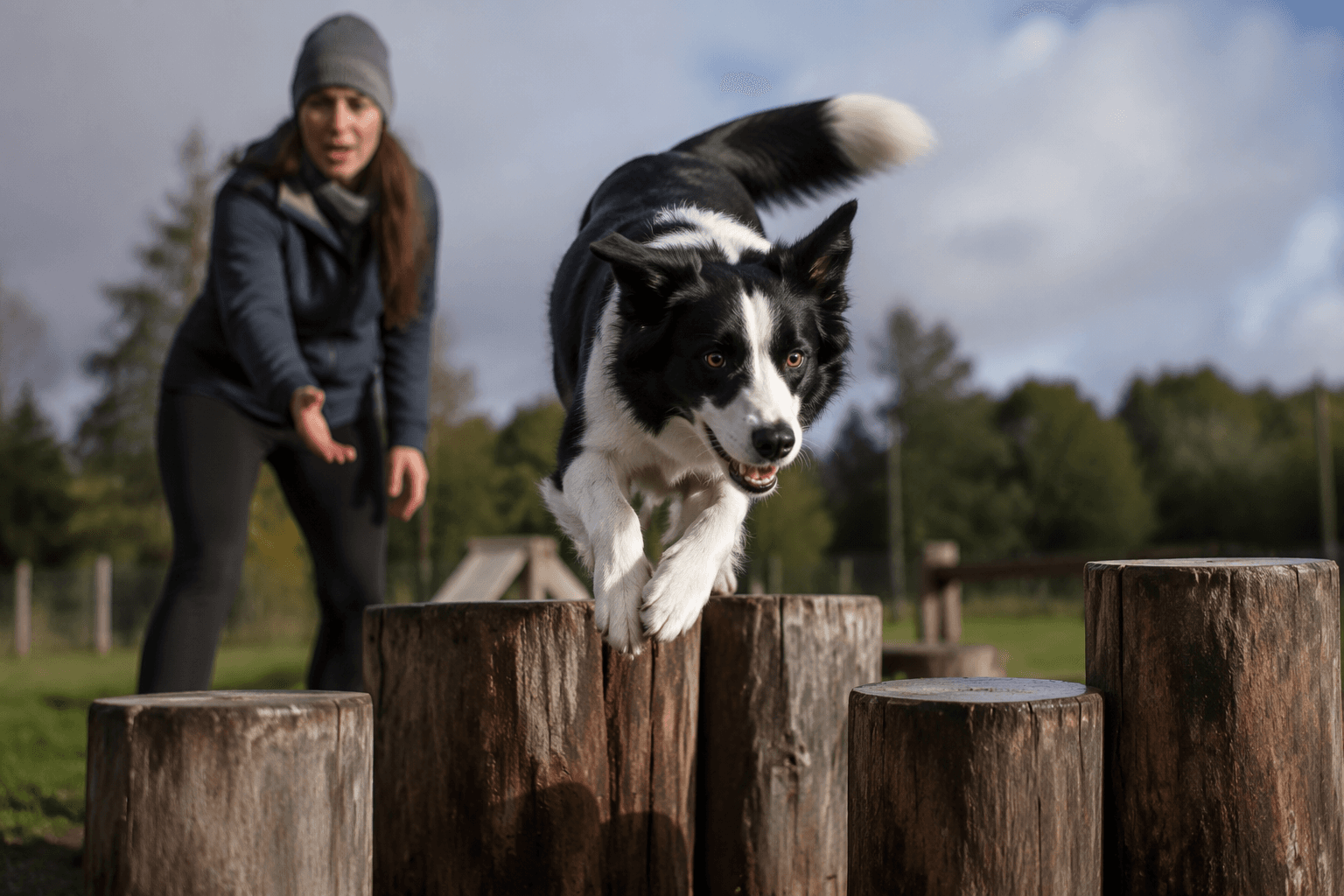
Impulse control training works because it respects how quickly hyper dogs can lose the plot. Start indoors where the dog can succeed, then increase the challenge in small pieces by adding time, moving farther away, or introducing one distraction at a time. Once the dog understands the cue in the house, take it to the front yard, then the sidewalk, then a friend’s house.
A dog that can wait beside a food bowl may still explode when a leash appears or a guest walks in. The environment is part of the exercise, so each new setting should feel like a slight upgrade in difficulty, not a total reset. If the dog falls apart, the step was too big.
Reward the exact calm you want more of
This style of training is not about punishment, and it is not about exhausting the dog until it gives up. The American Veterinary Society of Animal Behavior’s 2021 Humane Dog Training position statement says evidence supports reward-based methods for all canine training and finds no evidence that aversive training is necessary for behavior modification.
A Frontiers in Veterinary Science study published on March 24, 2022 found that dogs showing high levels of aggressive reactivity also showed impaired self-control abilities.
Build the skill early and keep managing arousal
The PMC article “An Investigation into the Impact of Pre-Adolescent Training on Canine Behavior” points to the value of training during the pre-adolescent period, when dogs are still forming the habits that shape their adult behavior. Hyper puppies do not arrive with impulse control preloaded, so the job is to teach it while the brain is still flexible.
Calming behavior can be taught, and arousal chemicals can stay in a dog’s system for up to twenty-four hours, the SPCA of Wake County says. If the dog is already flooded, the answer is not a longer drill, it is better management and another chance to practice when the system has settled.
Make self-control part of ordinary life
Food bowls, leashes, doorways, play breaks, and greeting people all become tiny training stations when you use them on purpose.
This article was produced by Prism’s automated news system from verified source data, official records, and press releases, then run through automated quality and moderation checks before publishing. The system is built and supervised by the people who set the standards it runs under. Read our full AI policy.
Did this article answer your question?