Why puppies get hyper, and when rest beats more play
Puppy zoomies usually call for better structure, not more stimulation. With sleep, chew-safe outlets, and the right exercise plan, chaos often settles fast.
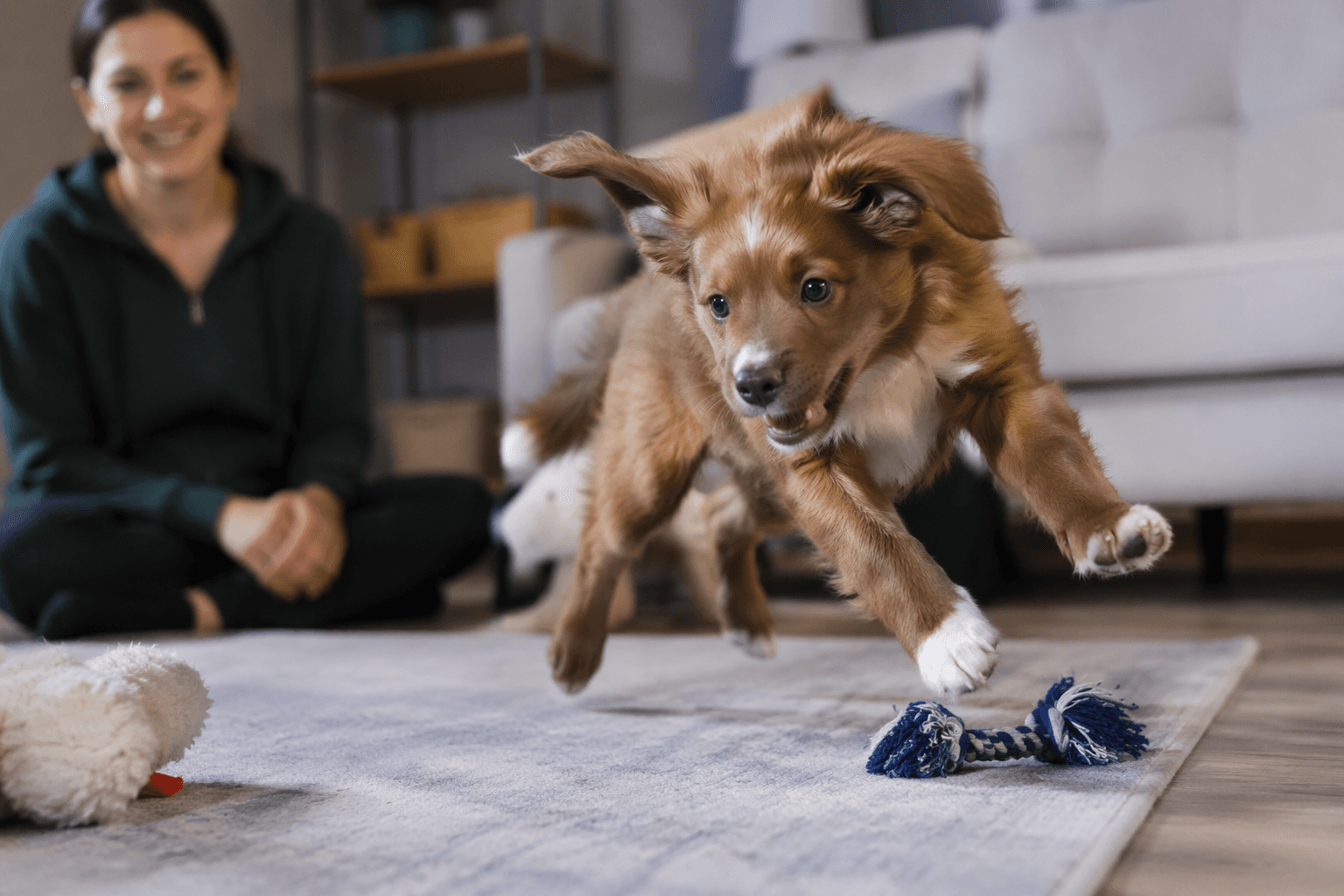
A puppy that turns into a blur of barking, jumping, nipping, and house-running is not automatically “bad” or broken. In most homes, that behavior is a management challenge, not a character flaw, and the fix starts with reading the dog’s energy more accurately. The big mistake is assuming every frantic burst means your puppy needs more action, when what they often need most is a better routine and a real chance to rest.
Why puppy hyperactivity is usually a setup problem
Young dogs are still figuring out how to manage energy, interact with the world, and settle into a daily rhythm. Dogster’s explainer treats that learning curve as normal development, not a personal failure on the human side, and the American Kennel Club says hyperactivity is one of the most commonly reported behavioral concerns among Canine Good Citizen and AKC S.T.A.R. Puppy owners. In many cases, the issue is not a true disorder at all, but a daily schedule and exercise plan that do not match the dog in front of you.
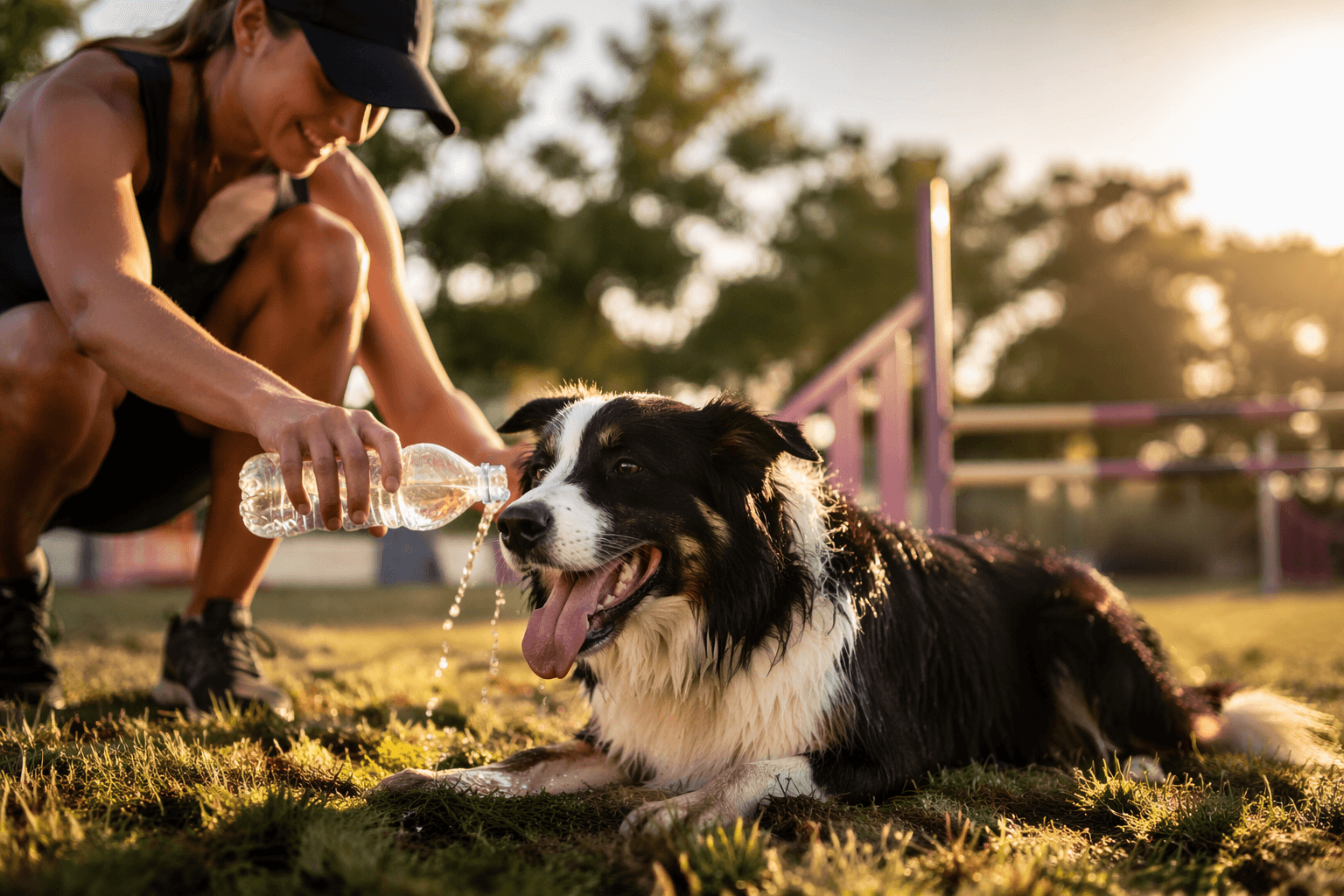
That is where the breed and the individual dog matter. The AKC points to a Border Collie whose owners worked all day and only gave leash walks, a routine that simply was not enough for an active dog. When the exercise plan was modified, the puppy was acting like a different dog within two weeks, which is exactly the kind of turnaround that makes this topic so practical for everyday puppy life.
When zoomies are normal, and when they mean something else
Zoomies, especially at night, are one of the clearest examples of puppy energy gone sideways. The AKC says they are especially common in puppies and often show up after crating or when the dog has not had enough opportunities to exercise. Younger dogs do this more often than older dogs, so the wild evening sprint is often a developmental phase rather than a sign that your puppy needs another long play session.
The same idea applies to other “hyper” behaviors. Dogster notes that when puppies do not have enough acceptable outlets, pent-up energy can spill into barking, destructive behavior, jumping on people, and house-running. The fix is not simply to react to the symptom. It is to ask what the dog is trying to do and then give that behavior a better channel.
Rest is part of the training plan
One of the most overlooked truths in puppy life is how much sleep they need. VCA Hospitals says puppies may sleep about 10 to 14 hours a day, while the AKC says many puppies sleep 16 to 18 hours a day, and another AKC guide puts typical puppy sleep at 18 to 20 hours. That is not laziness. Sleep supports the central nervous system, brain, immune system, and muscles, and it is a major part of healthy development.
That is why an overtired puppy can look frantic instead of sleepy. Dogster notes that puppies can become hyper when they are actually too tired to self-regulate, which creates a frustrating loop for owners who respond to the chaos with more stimulation. In practice, that means nap scheduling matters just as much as fetch, walks, or playtime. A calmer room, fewer interruptions, and planned downtime often do more good than one more burst of excitement.
Give the energy a job
The other half of the solution is making sure the puppy has something appropriate to do with its energy. Dogster recommends toys, activities, walks, and chew toys as acceptable outlets for exploration and play. Without them, the same energy that could be used for learning and settling tends to leak into nipping, barking, and destructive habits.
Chewing deserves its own attention because it is normal puppy behavior, not a moral issue. The ASPCA says puppies chew to explore the world, and that chewing can also be driven by teething pain, boredom, anxiety, or frustration. That intensified teething-chewing phase usually ends by six months of age, so a gnaw-happy puppy is often telling you two things at once: the mouth is busy, and the brain may need a better outlet.
This is where bite-safe play and short training sessions pay off. Keep the sessions brief, keep the tone calm, and give the puppy a clear job instead of turning every waking minute into hype. The goal is not exhaustion. The goal is controlled activity that leaves room for recovery.
The early months matter more than most people realize
The American Veterinary Society of Animal Behavior says the first three months of life are the most important socialization window in a puppy’s life. Puppies can begin socialization classes as early as 7 to 8 weeks of age, as long as they have at least one vaccine set and appropriate deworming. That early window matters because behavior problems are the number one cause of death for dogs under three years of age, and the socialization choices made now can shape the rest of the dog’s life.
The training philosophy matters too. AVSAB says reward-based methods should be used for canine training and behavior modification, and aversive methods should not be used. That lines up with the larger lesson in puppy hyperactivity: the dog is not learning well from chaos, pressure, or punishment. It learns better from structure, reinforcement, and exposure that is safe and positive.
The AVMA and JAVMA add another sobering layer. In one study, 145 respondents, or 49.0 percent of the sample, said they attended puppy classes, yet almost one-third of puppies received only minimal exposure to people and dogs outside the home during the survey period. The authors concluded that veterinarians have an important role in educating owners about early socialization, especially because behavior problems are a leading reason for relinquishment, cited by 34 percent to 49 percent of owners.
What to expect by age
A lot of panic comes from expecting a young dog to act older than it is. VCA says adolescent behavior in dogs usually starts around 6 to 12 months and can last until 18 to 24 months, which helps explain why some high-energy behavior does not disappear after the tiny-puppy stage. If your dog suddenly seems to have “forgotten” the rules, that may be development talking, not defiance.
That is why realistic expectations matter as much as exercise. The puppy stage is not a contest to see who can wear the dog out fastest. It is a period for sleep, structure, safe enrichment, and patient repetition. When those pieces are in place, the wild bursts start to make more sense, and they become easier to manage.
A puppy that goes wild at night is usually not asking for another round of chaos. More often, it is showing that the day needs a better balance of movement, rest, and guidance, and once that balance is in place, the zoomies stop looking like a crisis and start looking like what they are: a young dog still learning how to be a dog.
This article was produced by Prism’s automated news system from verified source data, official records, and press releases, then run through automated quality and moderation checks before publishing. The system is built and supervised by the people who set the standards it runs under. Read our full AI policy.
Did this article answer your question?