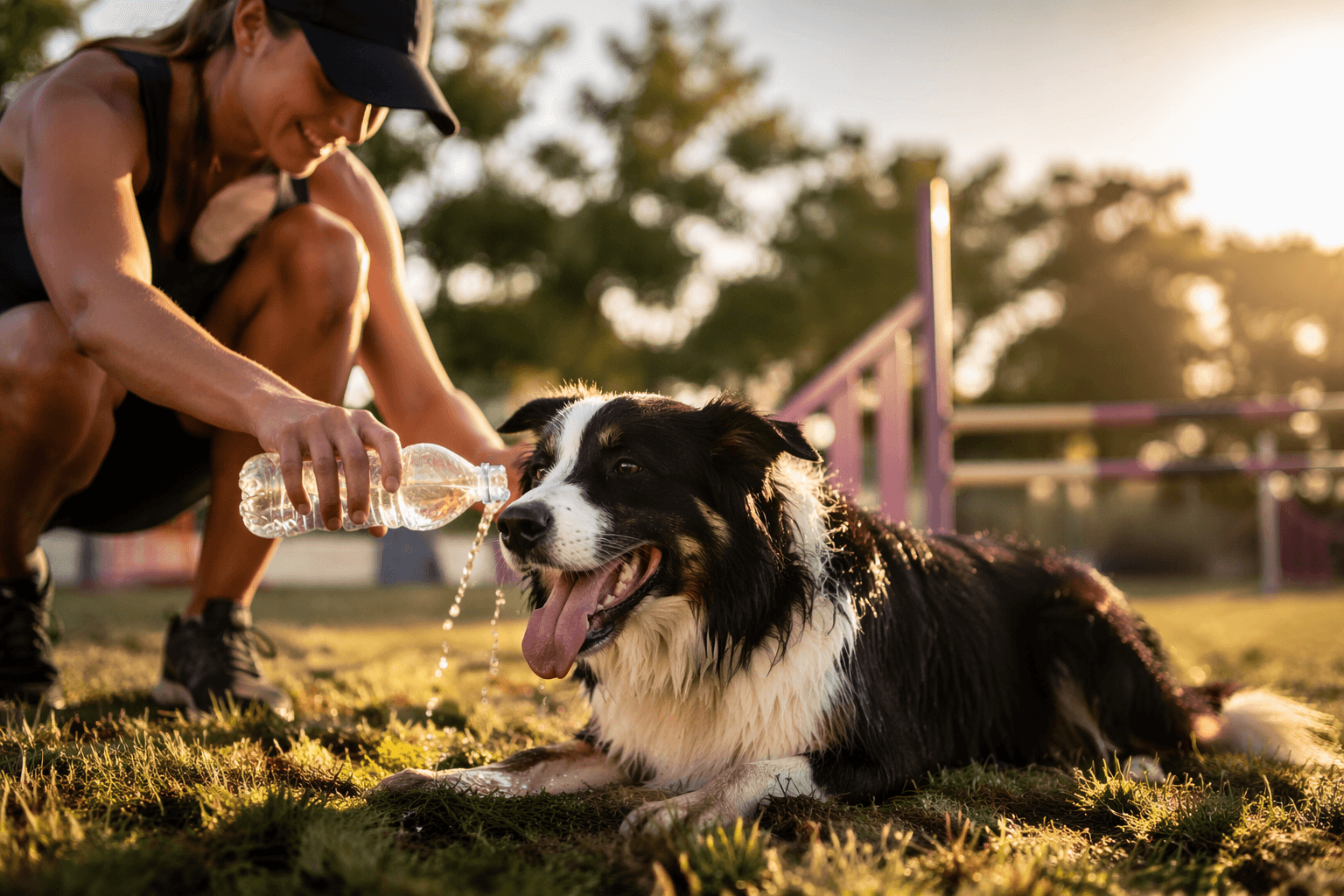
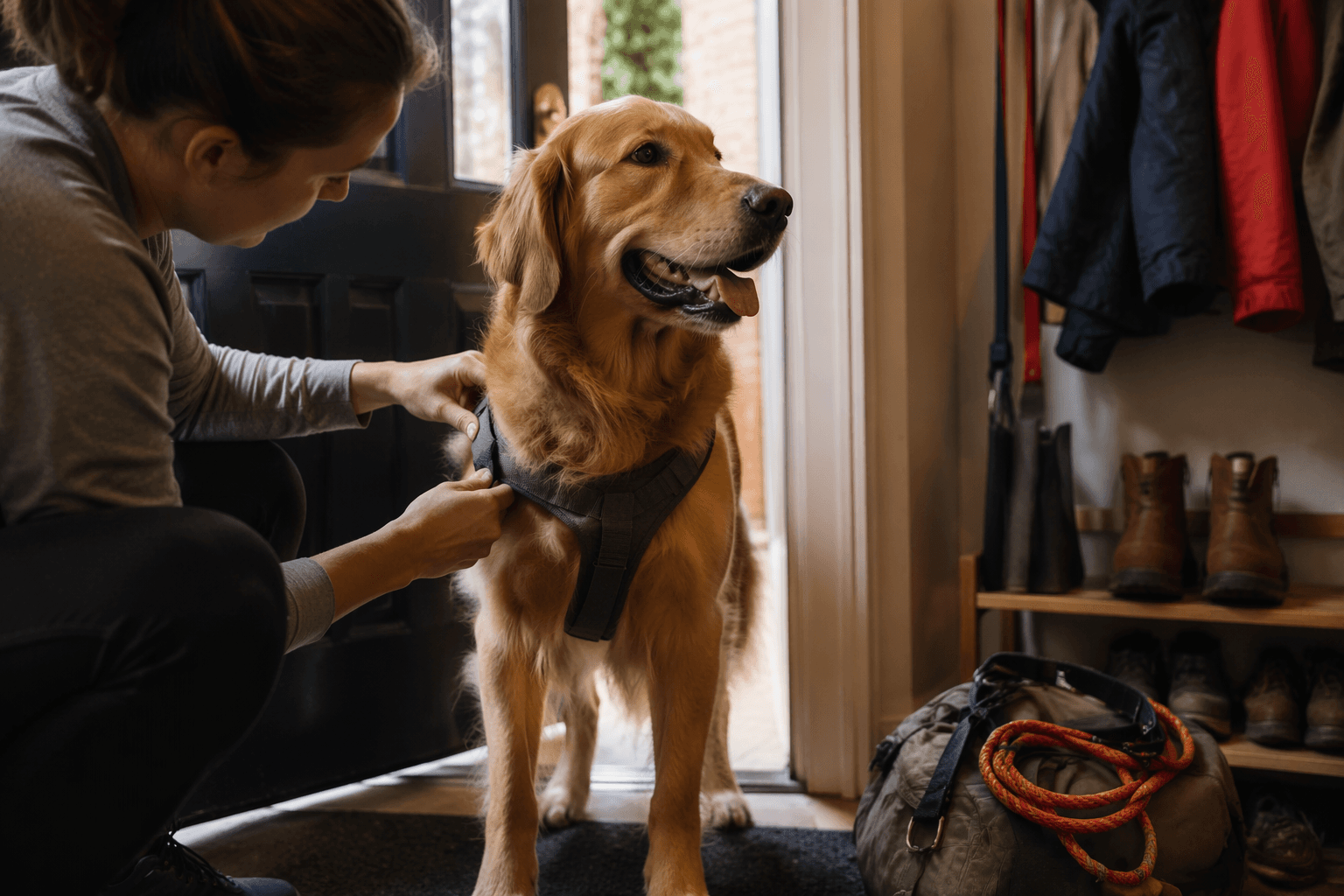
Why your dog’s recall vanishes during the teenage phase
That vanished recall is often a teenage brain problem, not a training failure. The fix is less panic, more consistency, management, and realistic expectations.

Your dog did not suddenly forget how to be a dog, and you did not lose all your progress overnight. What you are seeing is often adolescence, the phase when a once-easy youngster starts acting like every squirrel, smell, and moving leaf deserves more attention than you do. In hyperenergetic dogs especially, recall can seem to vanish right when it mattered most, but that collapse is usually a sign of development, not defiance.
What changes when puppyhood ends
Adolescence usually begins somewhere between six and 12 months of age, though the exact timing depends on breed and size. For many dogs, that stretch lasts until 18 to 24 months, and in larger or giant breeds it can continue much longer, sometimes out to 36 months. During that period, physical growth, hormonal shifts, and neurological development all move at once, which helps explain why a dog who once came flying back to you now seems to glance at you and keep going.
This is the phase where basic manners can look shaky even if you trained them well. The dog may ignore cues that used to work, pull harder on leash, and act like the environment is suddenly far more interesting than the person at the other end of the line. The American Kennel Club describes this as the time when dogs can seem to forget what they learned, and that is exactly the emotional whiplash many guardians feel when the teenage switch flips.
Why recall is the first thing to wobble
Recall is not just a polite party trick. It is a life-saving cue, and it only stays reliable when it is practiced carefully, with success built in step by step. That means you start in low-distraction settings, reward heavily, and slowly raise the difficulty instead of assuming a dog who comes in the kitchen will also come in a field full of deer scents, joggers, and neighbor dogs.
Teenage dogs are especially vulnerable to losing that response because impulse control is still under construction. They can be more independent, more curious, more excitable, and more sensitive, which makes the whole world feel louder and more urgent. In that state, the scent of a rabbit or the thrill of a new dog may overpower a familiar cue unless you have spent a lot of time making recall worth their while.
The habits that grow when you let them rehearse
The hardest truth in this phase is that every repetition matters. If your dog practices ignoring you, bolting toward stimulation, or dragging you down the street, those habits get easier for them to repeat. That is why management is not giving up, it is protection for the training you already built.
Leashes, long lines, baby gates, and supervised freedom all help keep the teenage brain from rehearsing the wrong script. This is the stage for controlled wins, not freedom you have not earned yet. If off-leash reliability is still shaky, the safest move is to keep the dog attached in unsecured places and keep feeding the recall with repetition, praise, and high-value reinforcement.
What hyperenergetic teens tend to do more of
Adolescent dogs often come with extra volume. You may see more barking, chewing, digging, and general mischief, along with a stronger streak of curiosity and independence. Some dogs also show frustration-elicited behavior, including repetitive barking, nipping, or a resurgence of destructive habits that looked like they were already behind you.
That does not mean your dog is being malicious. It usually means the dog has more energy than self-control, and not enough structure to channel both. For hyperenergetic households, this is the moment when training has to become more deliberate and less sentimental about what the dog should already know.
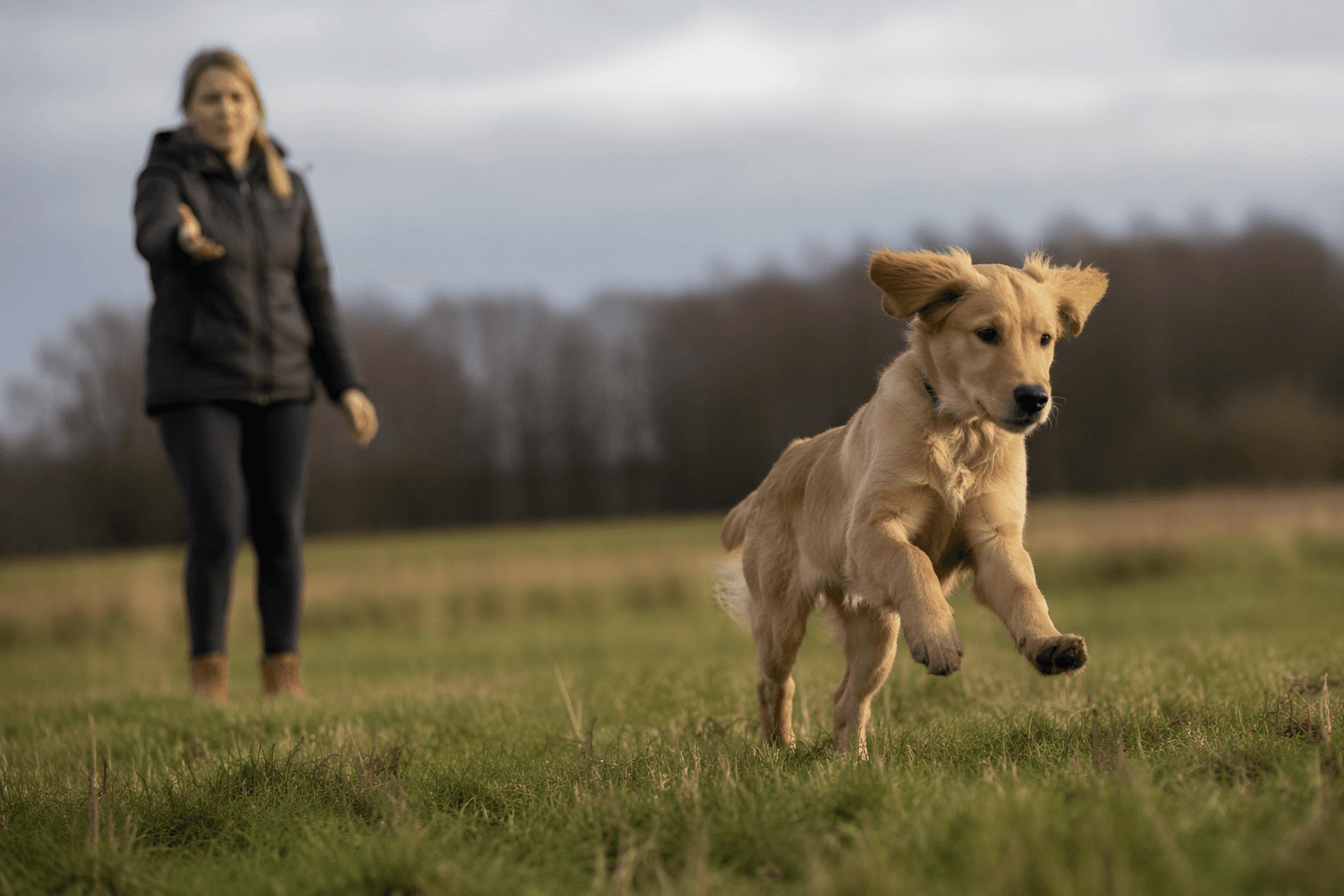
How to live through the teenage phase without losing your mind
Consistency matters more than intensity. Short, clear training sessions usually work better than big, emotional correction marathons, because the adolescent dog is learning in a body that is changing fast and a brain that is not done calibrating. Keep the rules stable, keep the rewards obvious, and keep your expectations realistic for the age you are actually living with.
Exercise helps, but physical activity alone is not enough. Young dogs also need mental enrichment, especially when their brains are asking for more than a walk around the block can deliver. Food puzzles, scent games, short training drills, and controlled exposure to new environments all give the dog an outlet that uses the mind as much as the muscles.
- long lines for safer practice outdoors
- baby gates and barriers to prevent bad rehearsals inside
- supervised freedom instead of open access to the whole house
- brief, upbeat recall reps in easier places before increasing distractions
- enrichment that mixes sniffing, problem-solving, and learning
A practical teenage-dog toolkit usually looks like this:
What is normal, and what needs a closer look
Not every chaotic behavior is just adolescence, and that distinction matters. VCA Animal Hospitals notes that if a dog appears to regress in potty training, that should prompt a medical evaluation to rule out health problems. House training setbacks are not something to shrug off as teenage attitude, especially when they show up alongside pain, illness, or other physical changes.
The same caution applies when behavior seems to shift in a way that feels bigger than ordinary adolescent drama. Frustration barking, nipping, and destructive behavior can fit the teenage picture, but sudden regression, sustained distress, or patterns that do not improve with structure deserve professional help. The line between normal developmental chaos and a genuine problem is not always dramatic, which is why paying attention early matters.
The bigger picture behind the chaos
A 2020 Royal Society study described adolescence as a vulnerable time for dog-owner relationships, which fits the lived experience of many people watching their calm puppy become a tiny tornado with opinions. That work also found earlier puberty in female dogs, reinforcing the idea that this is a real developmental shift, not just sloppy obedience. Other behavior research also points out that breed and owner both shape a dog’s personality and behavior, so what you are seeing is always a mix of biology, experience, and daily handling.
That is why the teenage phase can feel so personal when it is not. The dog is not rejecting you so much as negotiating a new stage of growth with very uneven tools. If you keep the rules clear, keep recall rewarding, and stop expecting a child-brain to behave like an adult, the chaos usually softens into something steadier.
The dog who would not come back yesterday is not broken. In many cases, you are simply meeting the adolescent version of a dog you already know, and the path forward is the same one that works with any teenager: tighter management, calmer repetition, and enough patience to let the brain catch up to the body.
This article was produced by Prism’s automated news system from verified source data, official records, and press releases, then run through automated quality and moderation checks before publishing. The system is built and supervised by the people who set the standards it runs under. Read our full AI policy.
Did this article answer your question?