Asthma, Limited Experience Raise Cold Water Pulmonary Edema Risk, Study Finds
Asthma joins the SIPE risk list in a new Chest study, and if you're new to open-water plunges, that's a flag too.
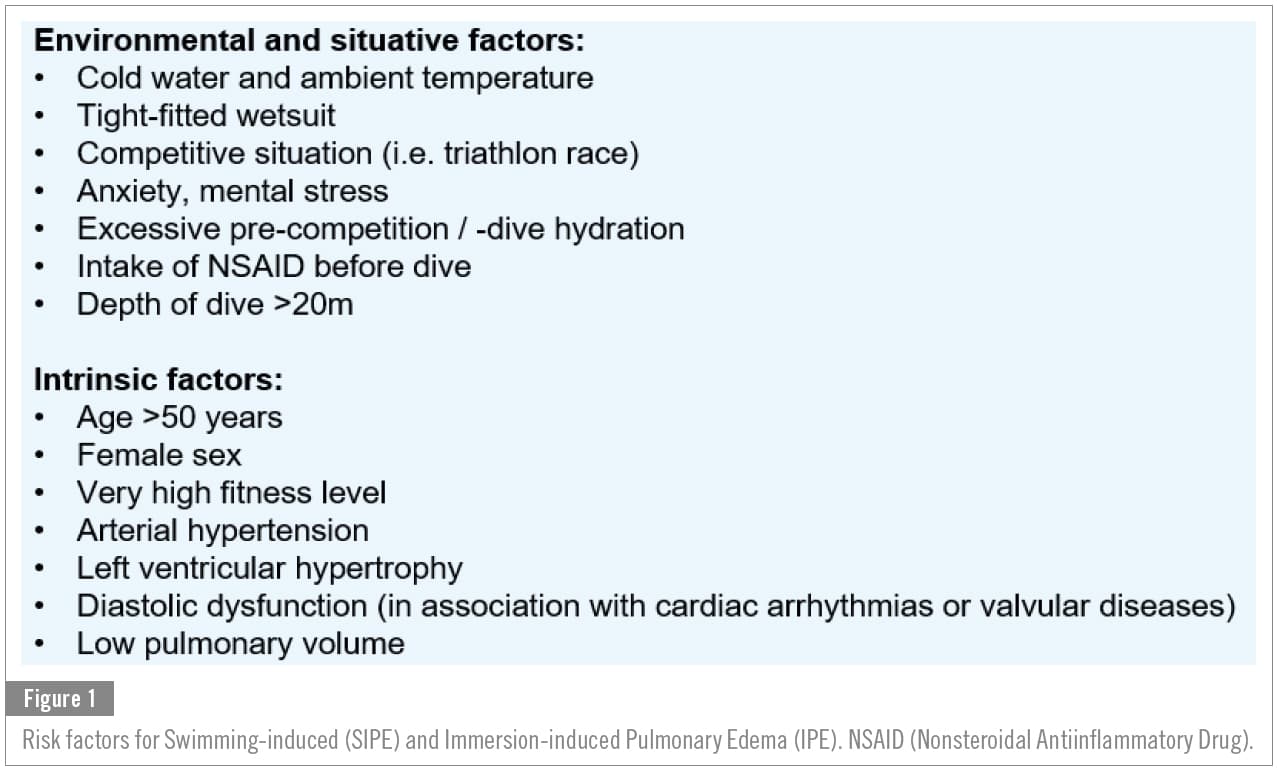
If you have asthma and you've been eyeing your first open-water cold plunge, a study published this week in Chest is worth your attention before you get in the water.
The peer-reviewed analysis, posted online in late March 2026 via ScienceDirect, examined risk factors associated with swimming-induced pulmonary edema (SIPE), also called immersion pulmonary edema (IPE). The condition causes fluid to flood the lungs during or after cold-water immersion, and it can escalate quickly: early signs include shortness of breath, a persistent cough, and in severe cases, frothy sputum. The study's most actionable finding for the cold-plunge community is that asthma and limited open-water swimming experience each appear associated with higher incident rates, adding two new red flags to a list that already included female sex, older age, hypertension, prior cardiac disease, recent respiratory infection, and a history of previous SIPE episodes.
That last item, prior SIPE, has long been considered the single strongest predictor of recurrence. The Chest analysis reinforces it, but the addition of asthma as an independent risk marker is the finding that changes the practical calculus for anyone running a social cold-plunge event or coaching a beginner through their first outdoor session. Asthma affects roughly one in thirteen adults, which means a meaningful slice of every mass polar plunge turnout or run-club-plus-plunge crowd carries this risk profile without knowing it matters here.
The experience variable is equally significant. Cold water, strenuous activity, and underlying cardiovascular conditions have long been understood as the central triad driving SIPE risk. What the Chest paper adds is that inexperience with open-water conditions compounds that danger, a finding that maps directly onto the explosion of commercial cold-plunge offerings that attract first-timers with little or no screening. Someone stepping into a 50-degree tank after a hard workout, with no prior exposure, fits multiple risk criteria at once.
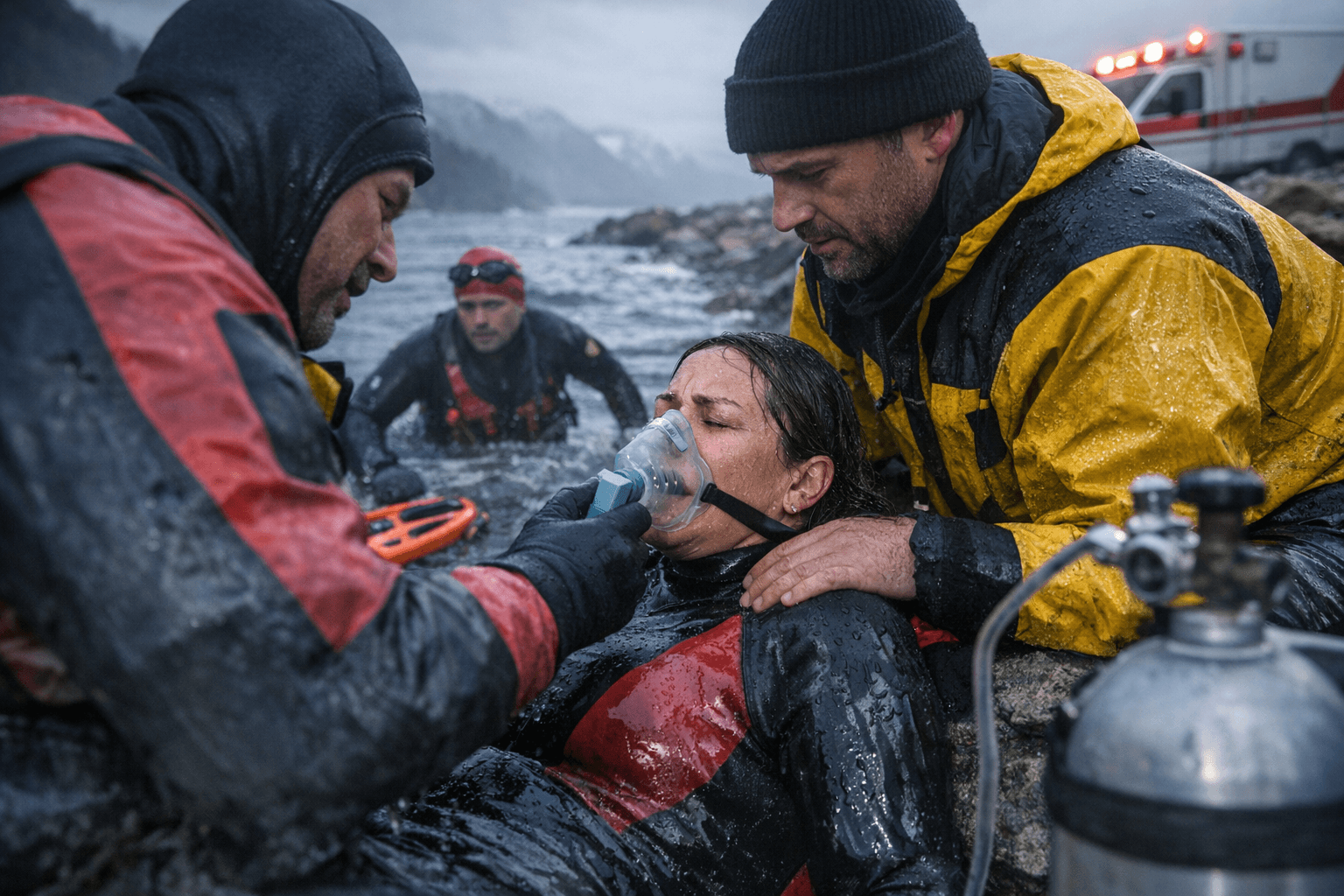
For operators running public or semi-public sessions, the study's implications point toward a specific set of intake questions: Has this person been diagnosed with asthma? Any history of cardiac conditions or hypertension? A recent respiratory infection? And critically, is this their first time in open-water or very cold water? Staff should also know what early SIPE looks like. Breathlessness that doesn't resolve quickly after exiting, a new cough during or after immersion, or any signs of low oxygen saturation are reasons to escalate, not observe.
For individual plungers, the calculus is simpler: if you have asthma, cardiovascular disease, or you're genuinely new to cold immersion, medical clearance before your first open-water session is a reasonable step, not an overcautious one. Controlled tub-style plunges at regulated temperatures carry a different risk profile than unsupervised lake sessions or plunges taken immediately after a hard training block.
The broader regulatory question the Chest study quietly raises is whether public-facing cold-plunge services, particularly those scaling social programming, have adequate screening frameworks in place. As the research literature on immersion pulmonary edema grows more specific, the gap between clinical guidance and what actually happens at a Saturday morning group plunge is becoming harder to ignore.
This article was produced by Prism’s automated news system from verified source data, official records, and press releases, then run through automated quality and moderation checks before publishing. The system is built and supervised by the people who set the standards it runs under. Read our full AI policy.
Did this article answer your question?