Cold Bath Therapy Boosts Muscle Recovery and Improves Circulation
Stepping into 50–59°F water for 15 minutes can flush metabolic waste, cut soreness markers, and sharpen mental focus — but daily use may quietly sabotage your gains.
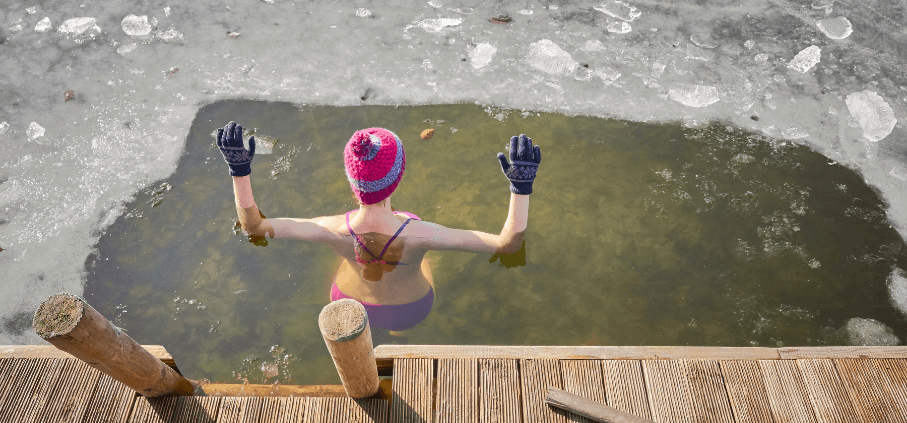
Cold water immersion has been practiced since Hippocrates recommended frigid temperatures to boost energy and ease pain. Ancient Greek healers understood something that sports scientists eventually formalized in the 1960s, when cold-water immersion entered post-exercise recovery research. Today, athletes from weekend warriors to professionals credit ice baths with faster turnaround between sessions, and a growing body of evidence, however mixed, supports taking the plunge.
An ice bath, or cold water immersion (CWI), is a form of cryotherapy in which you immerse your body in ice water for 5 to 15 minutes. The temperature that Henry Ford Health specifically cites for therapeutic effect is 50 to 59 degrees Fahrenheit, a range cold enough to trigger the physiological responses that make this practice worthwhile but not so extreme that it becomes immediately dangerous. Other sources use the term "ice bath" more loosely, implying temperatures near freezing, but the 50–59°F protocol is the only numeric range explicitly supported in the clinical literature referenced here.
How Cold Immersion Actually Works
The mechanism starts the moment you step in. Cold application causes vasoconstriction: your blood vessels narrow sharply, restricting blood flow to the muscles and reducing swelling, inflammation, and pain at the tissue level. Simultaneously, when cold water hits the receptors in your skin, "it sends electrical impulses to your brain that have a pain-reducing effect," cutting the perception of soreness almost immediately.
The more interesting phase happens after you climb out. Once the cold stimulus is removed, those constricted vessels dilate rapidly. "Once out of the bath, the body experiences a 'flushing' effect as the blood vessels dilate, which may help remove metabolic waste and bring in fresh oxygen and nutrients." When your muscle tissues begin warming back up, circulation increases and muscles relax, delivering a recovery window that complements the constriction phase that came before it.
At the biochemical level, athletes who use cold therapy show lower circulating levels of creatine kinase and lactate, two substances that serve as markers of muscle damage and metabolic fatigue. The cold temperature also slows metabolism during immersion, causing a measurable reduction in breathing rate, sweating, swelling, and tissue breakdown, while helping shift lactic acid away from muscle fibers.
The Recovery Case: What the Evidence Shows
CWI performed one hour after exercise reduces muscle pain and improves recovery for up to 24 hours. A 2021 study of college soccer players confirmed that cold water immersion therapy promotes basic post-sport recovery, and Dr. King of the Cleveland Clinic puts it plainly: "There's no doubt that some people get great relief from using ice baths. Some people get physical, mental and functional benefits from this kind of cold therapy."
Henry Ford Health, however, adds important nuance: while bathing for 5 to 15 minutes in chilled water at 50 to 59 degrees helps alleviate muscle soreness after exercise, "icing for this purpose is controversial and ice for muscle recovery isn't always the best course of action." A small 2017 study suggested ice baths may not be as beneficial as once thought, and the broader research literature still calls for larger, more rigorous trials before making definitive claims about efficacy for exercise recovery.
The Muscle Growth Trade-Off
Here is where strategic thinking matters more than enthusiasm. Some studies suggest that regular ice bathing might blunt long-term muscle growth, meaning that if you are deep in a hypertrophy block and hitting the tub every night, you could be working against your own adaptation. The guidance from sports medicine is clear: use CWI "after competitions or especially intense sessions rather than daily." The short-term symptomatic relief is real, but it should not come at the cost of the tissue remodeling that makes you stronger over time. Think of ice baths as a tool for the calendar — competition weeks, deload periods, or the day after your hardest session of the training block.
Beyond the Muscles: Immune and Mental Health Effects
People who regularly swim in cold temperatures report fewer respiratory infections than their peers. The hypothesized mechanism involves the acute stress response: cold exposure temporarily raises stress hormones and triggers inflammation, and in adapting to that stress, the body activates its immune system and builds antioxidant defenses over time. This is an observational finding, not a controlled trial, but it aligns with how the body responds to other hormetic stressors.

The mental health data is more preliminary but worth noting. Five minutes of CWI may improve alertness, decrease nervousness, and reduce stress, and broader research on cold immersion suggests it may improve mood, self-esteem, and decrease tension and anger. Larger studies are needed to confirm these findings, but the anecdotal reports from practitioners are consistent enough that the psychological dimension of cold therapy deserves serious consideration alongside the physical.
Protocol: Temperature, Timing, and Frequency
Getting the details right matters as much as the practice itself. The most documented parameters:
- Temperature: 50 to 59°F (Henry Ford Health's cited range); other protocols use colder water described generically as "ice water"
- Duration: 5 to 15 minutes; do not exceed 15 minutes to avoid numbness or frostbite
- Timing: within 1 to 2 hours post-exercise for optimal effect (evidence ranges from one hour to within two hours, depending on the source)
- Frequency: a few times per week after exercise; avoid daily use if long-term hypertrophy is your primary goal
If full immersion is not accessible, cold showers offer a partial alternative. The difference is meaningful: immersion submerges the entire body and delivers compression and cold uniformly, while a shower only reaches specific surfaces. A cold shower can serve as a practical substitute, delivering many of the same benefits, though not as extensively as full immersion.
For those wanting to amplify the benefit, contrast therapy, alternating between cold and hot baths, may offer added recovery advantages beyond either modality alone.
Safety and Practical Considerations
The most important safety rule is also the most ignored: do not use cold therapy to mask genuine pain. If you are pushing through pain during training, there may be an underlying injury, and covering it with cold creates a false sense of recovery. "You may be delaying appropriate healing," Dr. King warns. Ice baths address post-workout soreness, not structural damage.
If you are new to the practice, especially working outdoors in a lake or cold tub, have a friend or partner nearby. The physiological shock of cold immersion is real, and having support on hand during your first few sessions is sensible precaution, not overcaution.
Complementary Recovery Tools
Cold immersion works best as part of a broader recovery system rather than a standalone fix. The most evidence-supported complementary methods include foam rolling (deep tissue compression via a foam cylinder), stretching, Swedish or deep tissue massage, warm water baths for muscle relaxation, low-intensity cooldown activity, and sleep. Compression garments and pneumatic devices like Normatec boots work through a different pathway, applying consistent or pulsed pressure that mimics the muscle pump, improving venous return and lymphatic drainage. Infrared sauna and heat therapy round out the toolkit, increasing circulation and reducing stiffness through the opposite thermal stimulus.
Cold bath therapy has earned its place in the recovery toolkit through decades of use and a growing, if still developing, body of evidence. The key is matching the tool to the context: use it smart, use it timed, and do not let the short-term relief convince you that more is always better.
This article was produced by Prism’s automated news system from verified source data, official records, and press releases, then run through automated quality and moderation checks before publishing. The system is built and supervised by the people who set the standards it runs under. Read our full AI policy.
Did this article answer your question?