Cold Plunge Tubs Enter New North American Safety Standards
A dip under 60°F can turn dangerous in seconds, and new UL and CSA rules now treat cold plunge tubs like regulated spa equipment.
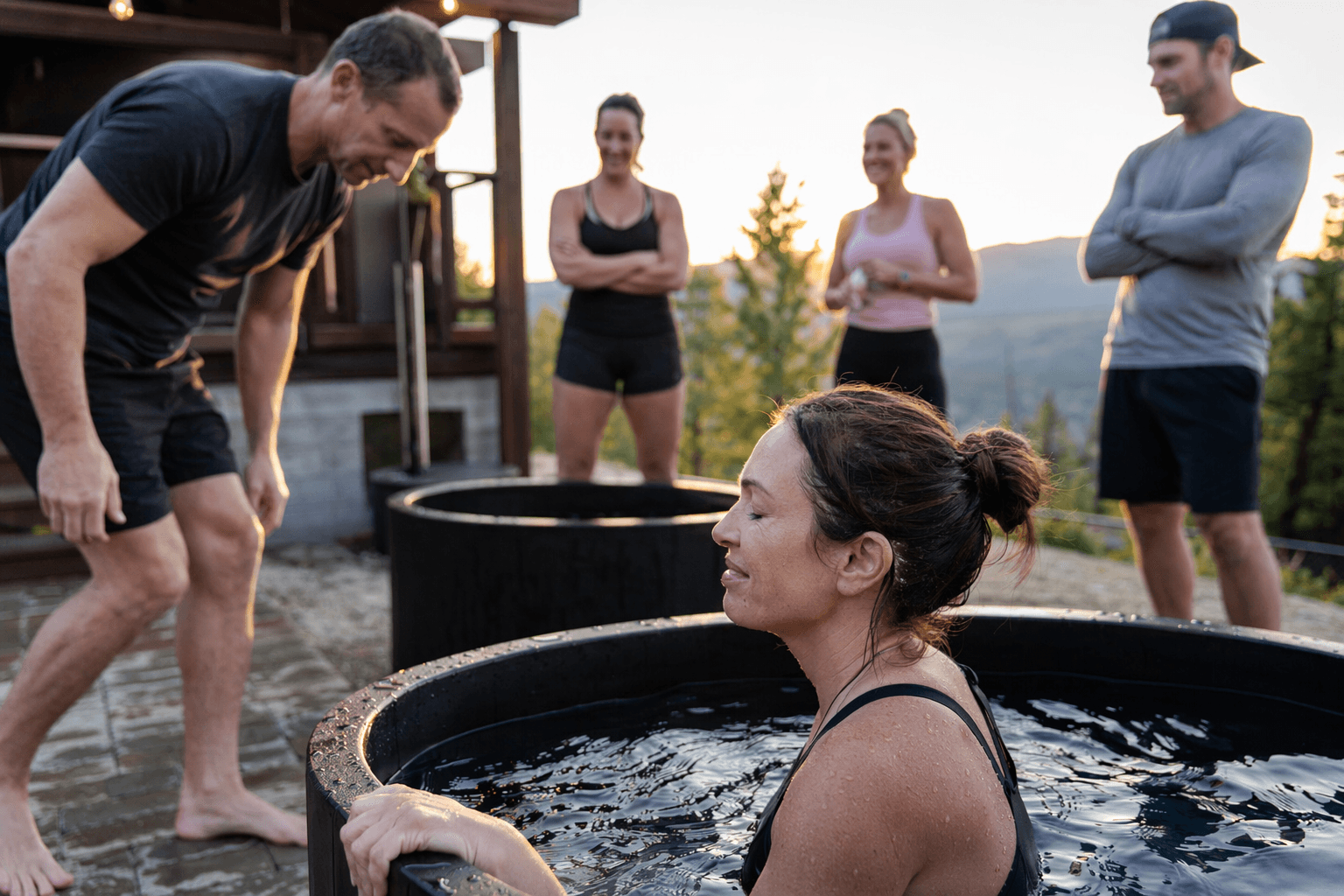
Cold plunge tubs are no longer just wellness gadgets with a chiller bolted on. The American Heart Association says sudden immersion in water under 60°F can kill a person in less than a minute, and that level of risk is now showing up in the standards sheet: UL 1563 expanded on January 13, 2025, to cover cold tubs and ice baths, and CSA C22.2 No. 218.1-2025 added cold tubs, heat pump and chiller requirements, and new warnings tied to hypothermia.
For buyers, that changes the game. A tub that looks simple on a product page can hide electrical and mechanical issues that matter the moment water, pumps, controls, and people are packed into one system. Intertek says the category now sits in a clearer North American framework because cold plunge products are spreading through homes, hospitality, athletic-recovery spaces, and commercial wellness builds. The practical takeaway is blunt: a cold plunge is not just a tub with cold water, it is spa equipment, and it should be treated that way before money changes hands.
The first thing to check is certification and documentation. Look for evidence that the unit was designed and evaluated to UL 1563 or CSA C22.2 No. 218.1-2025, not just marketed as cold-plunge ready. UL’s scope now covers electrically powered cold tubs and ice baths, cooling-function testing, major components such as heat pumps, and marking and instructions for chilled-water immersion. CSA’s third edition, which superseded the 2013 and 1989 editions, also added improved terminal marking and hypothermia warnings. If a cheaper direct-to-consumer model cannot show you that paperwork, that is a red flag.
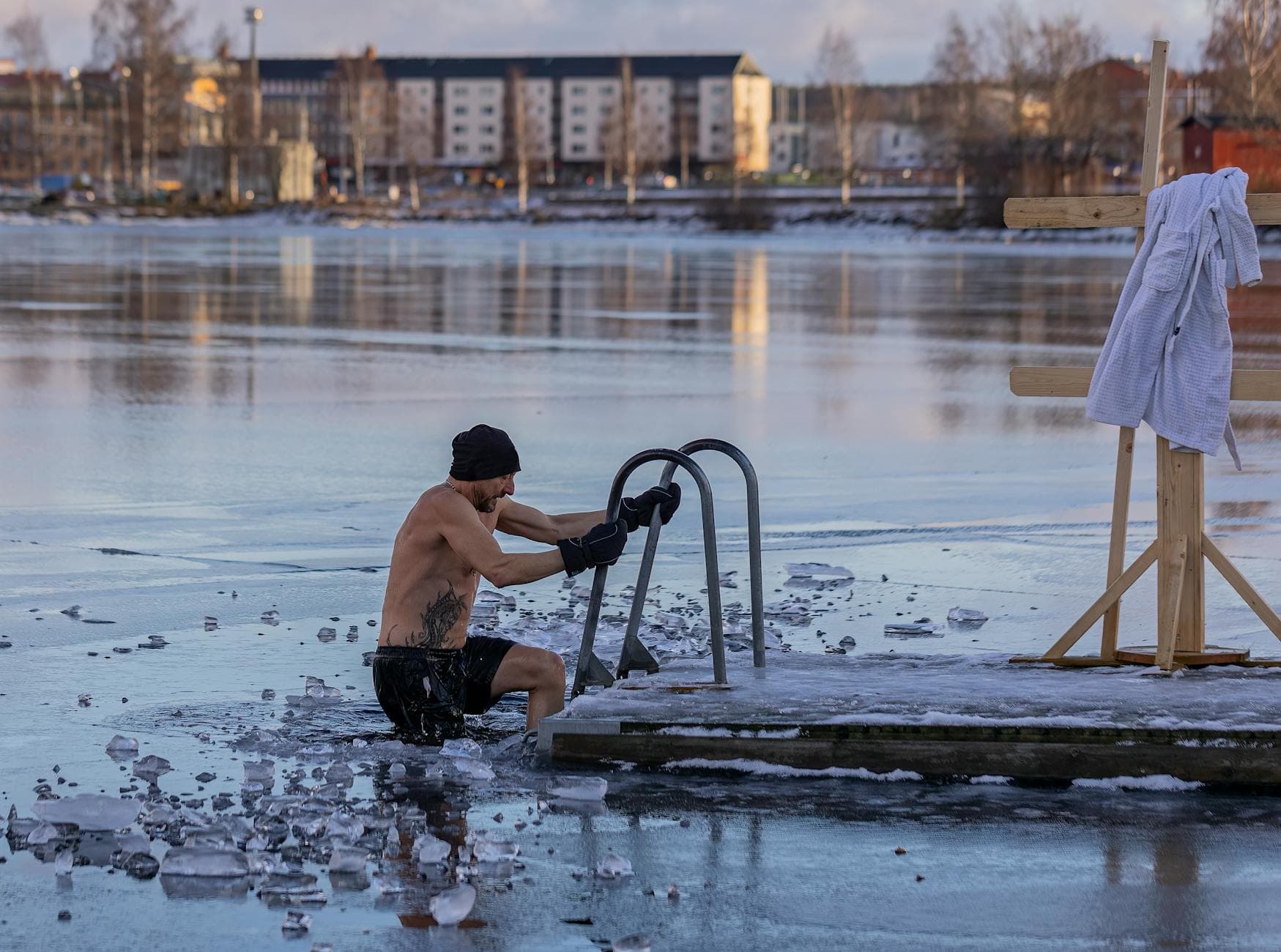
Installation is the next trap. These systems put chillers, pumps, controls, and water close together, which raises concerns around grounding, bonding, leakage current, shock protection, condensation, and moisture ingress. Washington State’s Department of Health says cold plunge water is typically 10 to 15 degrees Celsius, or less than 59°F, and in Washington it must follow spa-pool design, construction, equipment, and operation rules under Chapter 246-260 WAC. If the seller shrugs off electrical requirements or says any outdoor outlet will do, walk away.
The safety picture is not abstract. The National Center for Cold Water Safety, established in 2012, warns that cold water can cause cold shock, swimming failure, sudden drowning, incapacitation, and hypothermia. Cleveland Clinic says beginners are often kept in the 50 to 59°F range for about three to five minutes, which is exactly why product warnings, temperature control, and sane installation matter. In a market that now spans expensive recovery suites and bargain imports, the safest buy is the one that comes with clear standards, clear labeling, and no guesswork.
This article was produced by Prism’s automated news system from verified source data, official records, and press releases, then run through automated quality and moderation checks before publishing. The system is built and supervised by the people who set the standards it runs under. Read our full AI policy.
Did this article answer your question?