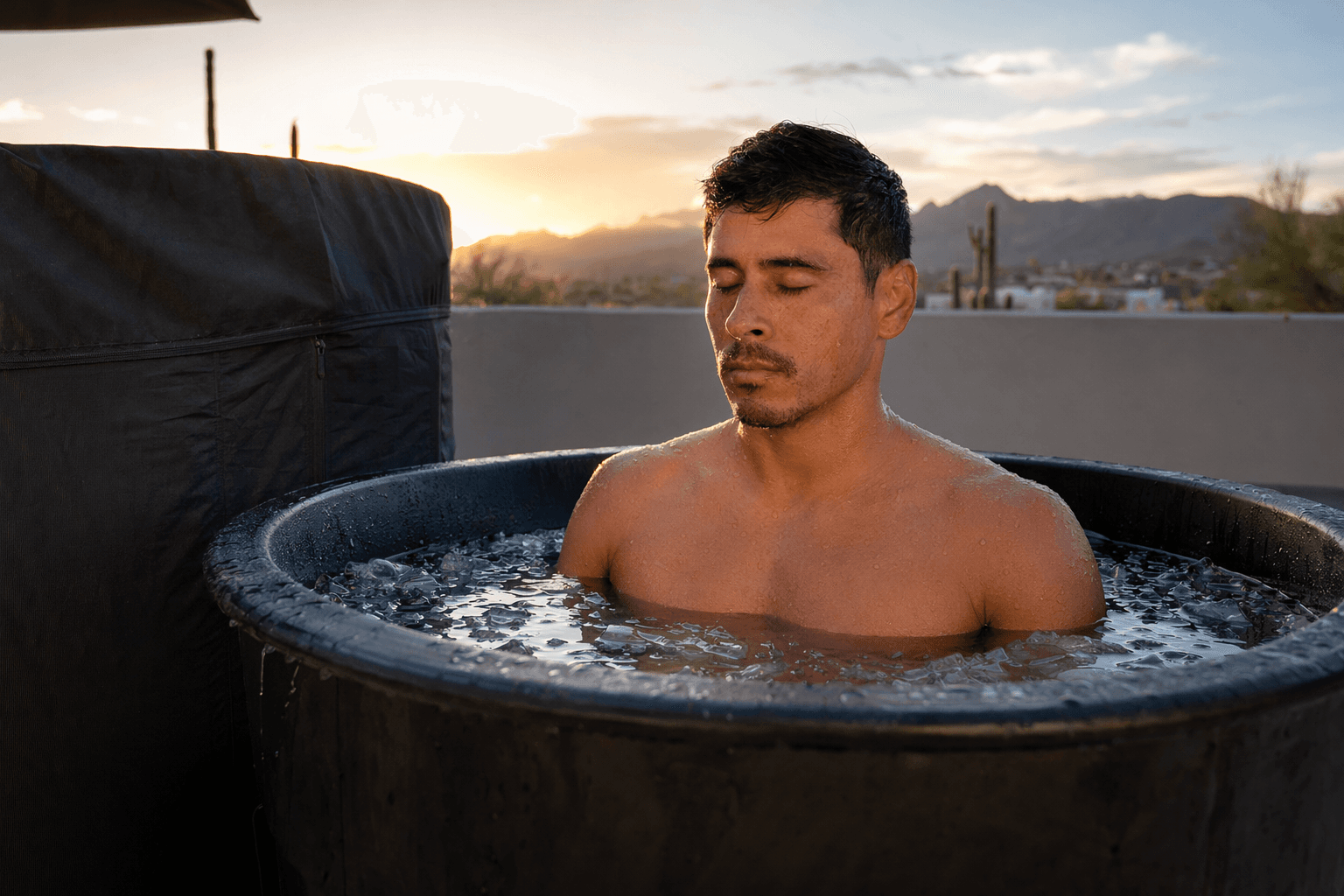
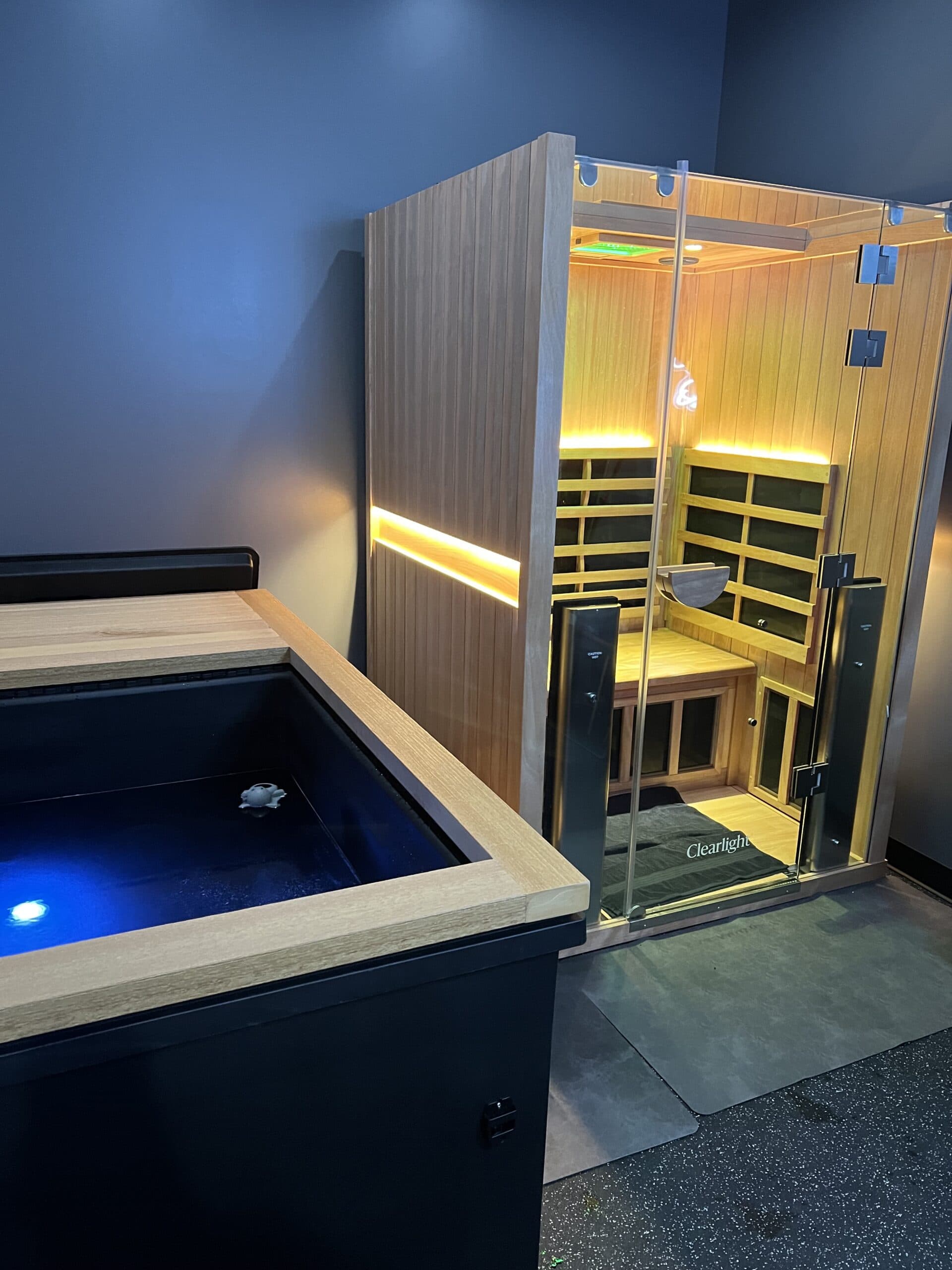
Cold plunges bring benefits, but hidden risks demand caution
Cold plunges can sharpen recovery, but the biggest risks cluster around the heart, breathing, and solo sessions. The safer play is to screen first, then pace the plunge.

Cold plunges are having a moment, but the body does not care about the trend
Cold-water immersion has moved from niche recovery tool to mainstream wellness ritual, and the social media version can make it look simple: get in, grit through the shock, feel invincible. The reality is more conditional. The benefits people chase, including energy, recovery, and mental toughness, come with real physiological risks that deserve respect before anyone steps in.
The most important reset is this: a cold plunge is not harmless because it is fashionable. Research and public health guidance point to fast-moving hazards in the water itself, especially when breathing, circulation, and core temperature all get hit at once.
Healthy beginners face the first, most obvious shock
Even for a healthy person, the opening seconds can be the roughest part. Sudden cold exposure can trigger the cold shock response, which brings rapid breathing, a sharp rise in heart rate, and a spike in blood pressure. If your head goes under and you gasp involuntarily, that reflex can make the whole reaction more intense.
That is where the research on autonomic conflict matters. A Journal of Physiology article describes cold-water submersion as a setting where the cold shock response and the diving response can collide. The problem is not just discomfort, but the overlap of two competing control systems in the body, sympathetic and parasympathetic, which in some cases can provoke dangerous rhythms even in healthy volunteers.
A Physiological Society review says arrhythmias have been reported at high rates in young, fit, healthy participants when cold-water submersion is combined with breath-holding, including 62% to 82% in some studies. That does not mean every plunge causes an arrhythmia, but it does mean fit people are not immune just because they tolerate hard training.
If you have cardiovascular issues, the margin for error shrinks fast
This is the group that should treat cold plunging with the most caution. Sudden immersion can push heart rate and blood pressure up quickly, and that stress load is exactly what people with cardiovascular disease or other medical conditions are less equipped to absorb. The American Heart Association has warned that sudden immersion in water under 60 degrees Fahrenheit can kill a person in less than a minute.
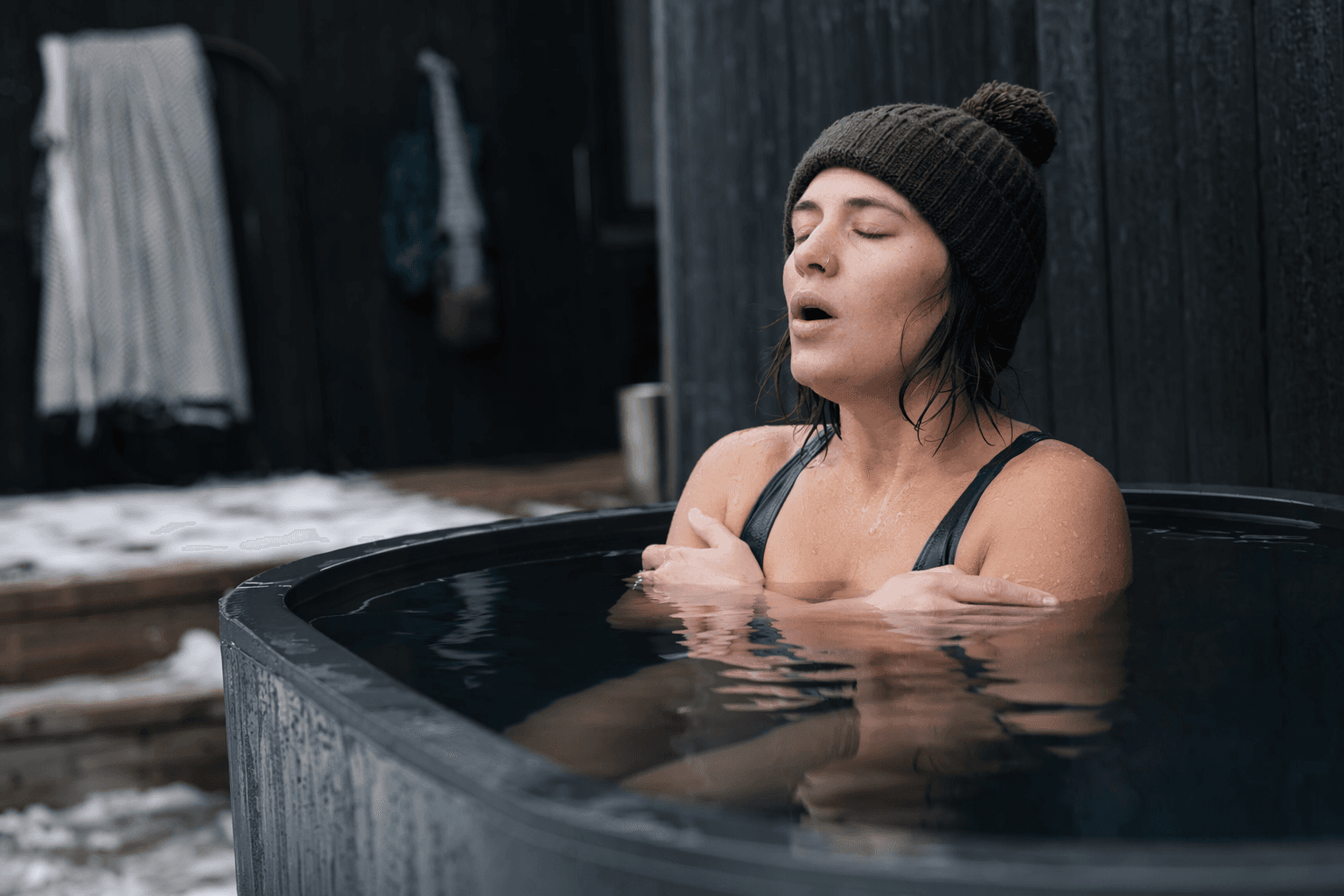
Temperature matters because the body can be overwhelmed before willpower kicks in. The CDC says hypothermia can occur in any water temperature below 70 degrees Fahrenheit, and that cold-water immersion creates immersion hypothermia, which develops much more quickly than standard hypothermia. Water around 50 degrees Fahrenheit can be hazardous because it pulls heat away so efficiently.
That is why people with known heart problems, as well as older adults, infants and young children, and people with medical conditions or substance use issues, are the ones who should be especially careful or avoid plunging altogether. The headline danger is not just feeling cold. It is the combination of temperature stress, breathing changes, and cardiovascular strain.
Plunging alone removes the safety net you actually need
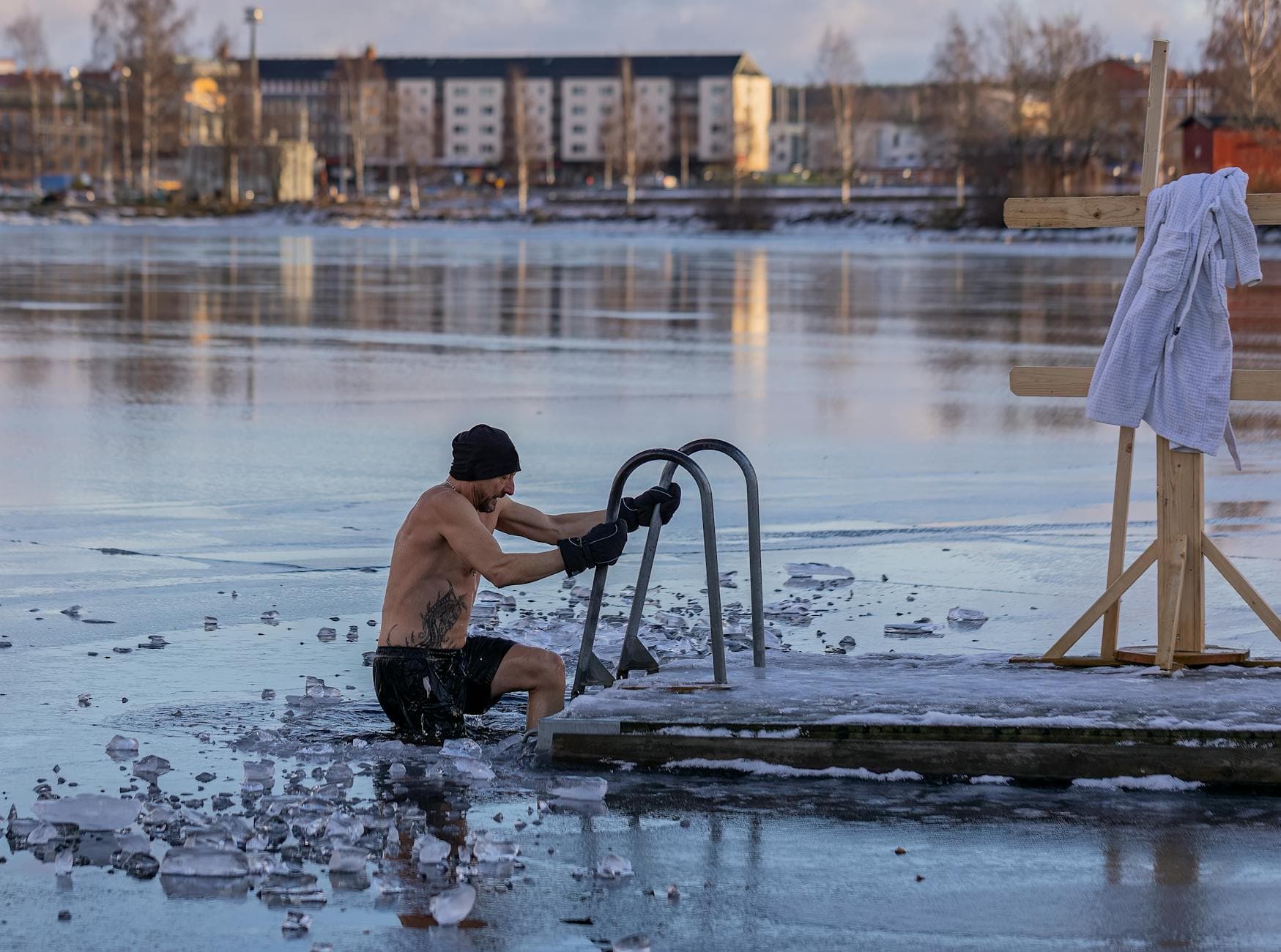
Going solo may feel meditative, but it also removes the one thing that can turn a problem into a rescue. CDC cold-stress guidance recommends avoiding working alone, taking frequent breaks out of cold water, and changing into dry clothing to reduce hypothermia risk. That advice matters even more when the body starts to lose coordination, shake, or struggle to regulate breathing.
A partner is not there for hype. A partner is there to spot signs that you are spiraling past controlled discomfort into trouble, especially if you are new to plunging or testing colder water than usual. The safest plunge is not the most dramatic one. It is the one where someone can notice if your breathing changes, your speech gets sloppy, or you stay in too long.
More time and more cold are not badges of honor
The last common mistake is chasing duration or extreme temperatures as if more suffering equals more benefit. The article’s warning here is practical: cold plunges can tighten muscles and increase cramping or injury risk, so you need to warm up carefully afterward instead of jumping straight back into normal activity. That matters for anyone who comes out stiff, shivering, or clumsy.
This is also where the gap between wellness culture and evidence shows up. A 2022 editorial in the British Journal of Sports Medicine said cold-water immersion had become a “hot topic” as use exploded in many countries, but that risk-minimizing advice was still needed because standardized guidance remains limited. A 2024 systematic review and meta-analysis in PLOS ONE found cold-water immersion has grown popular as a health and wellbeing intervention among healthy adults, but the trials it reviewed were limited to short exposures in water at 15 degrees Celsius or colder.
In other words, the internet may celebrate longer, colder, harder sessions, but the actual evidence base is much narrower than the vibe.
Before you plunge, run this screen
- Are you healthy enough for sudden cold stress, or do you have a heart or circulation issue that needs medical clearance first?
- Are you planning to submerge your head or hold your breath, which can raise the risk of a dangerous reflex response?
- Will someone else be there to watch you, or are you about to do this alone?
- Are you keeping the session short, with planned breaks out of the water?
- Is the water colder than you need, or are you chasing time and temperature for ego instead of recovery?
- Do you have a plan to dry off, warm up gradually, and stop if you start feeling numb, dizzy, or out of control?
Cold plunges can still earn a place in a recovery routine, but the safest version starts with respect for the physiology, not the clip-worthy image. The real test is not how hard you can endure the plunge, but whether you can recognize the line between controlled exposure and a body that is telling you to get out now.
Know something we missed? Have a correction or additional information?
Submit a Tip