Cold plunging gains attention as a mental-health reset in Tucson
Cold plunging can sharpen mood and stress recovery, but Tucson’s boom shows it works best as a reset, not a stand-in for treatment.
Mental reset, not miracle cure
The real question around cold plunging is simple: does it do meaningful mental-health work, or is it mostly a short-lived mood jolt that wellness culture has inflated? In Tucson, the answer looks a lot like this: brief cold-water immersion can help some people feel more alert, more focused, and less flooded by stress, but it should be treated as a reset tool, not a cure.
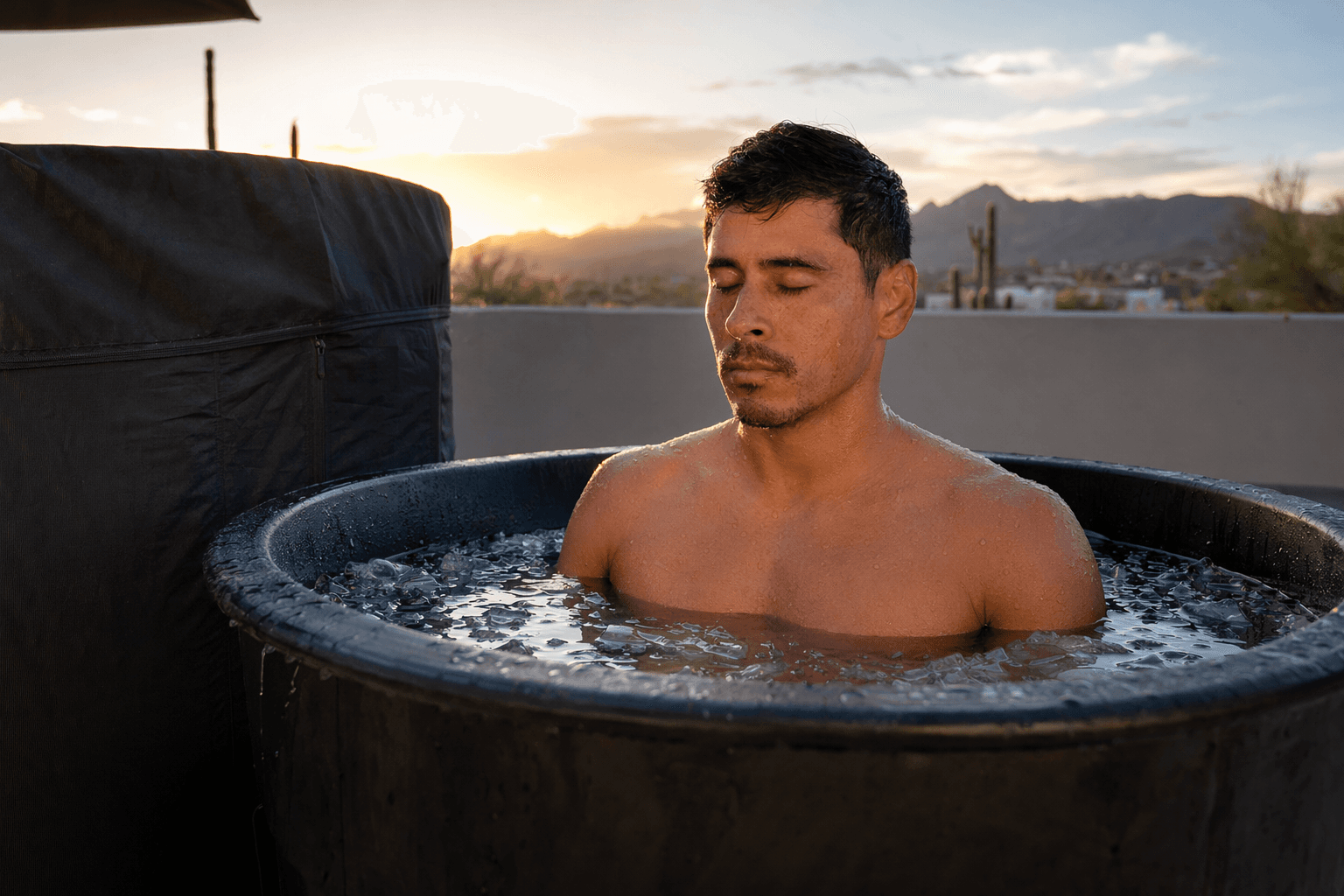
That distinction matters because the appeal is easy to understand. When you step into cold water, your body does not negotiate. Breathing gets tighter, attention narrows, and the whole system has to deal with the shock. For some people, that initial stress is exactly what makes the payoff feel real once they get out. The strongest case for cold plunging is not that it heals everything. It is that it creates a hard stop, a short ritual, and a clean break from whatever was spinning in your head.
Why Tucson is leaning in
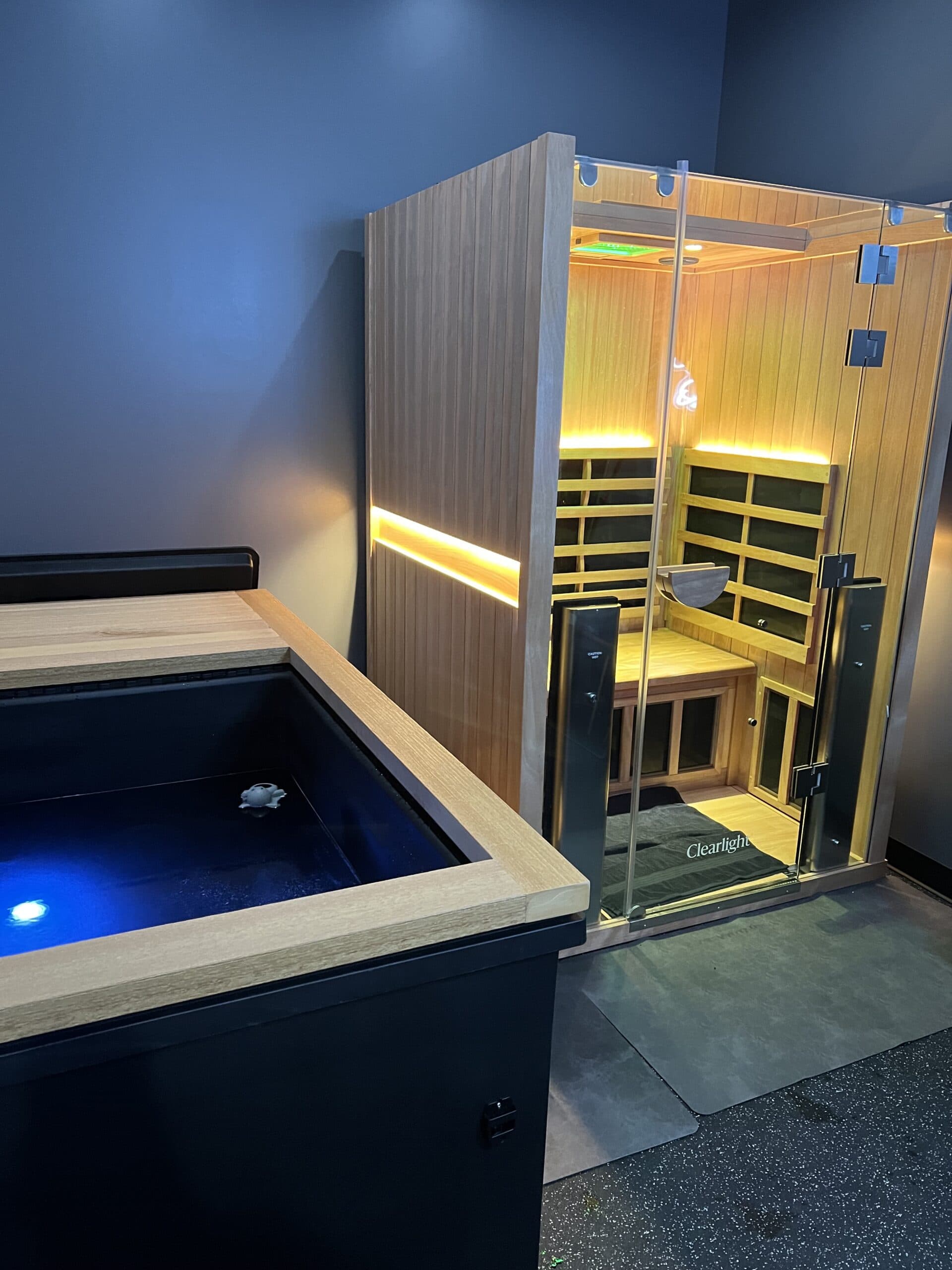
The Tucson angle is useful because it strips away some of the hype. At Havn Plunge and Restore in northwest Tucson, owner Paige Salzbrenner says she first tried cold plunging as a mental-health reset after moving to Michigan in the middle of winter. Her starting point was 30 seconds, which is the kind of detail that actually helps if you are new to this. Nobody needs to prove toughness by sitting in the tank forever. The better move is to build tolerance gradually and keep the session short enough that it feels repeatable.
That is also why the business setup matters. Havn Plunge and Restore is not selling cold water as a lone dare. It offers one-time and drop-in options, plus sauna and red light therapy, which places cold plunging inside a broader self-care circuit. That packaging says a lot about how the practice is being used now. For many people, the draw is not purity or suffering. It is the combination of breath control, focus, and a controlled stressor followed by a warm recovery.
What the research actually says
The evidence is more promising than skeptical headlines sometimes allow, but it is not the same as saying cold plunging treats depression or anxiety. A January 2025 systematic review and meta-analysis in PLOS One looked at 11 studies and 3,177 participants. It covered cold-water immersion in healthy adults, including cold showers, ice baths, and plunges, with water temperatures from 7°C to 15°C and sessions lasting at least 30 seconds.
The cleanest finding was not an immediate mood boost. It was a significant reduction in stress 12 hours after immersion. That matters, because it suggests the payoff may be delayed rather than instant. The same review found improvements in sleep quality and quality of life, and it also reported a narrative finding of a 29% reduction in sickness absence among people taking cold showers. That does not make cold plunging magic, but it does make it look more interesting than a pure gimmick.
A separate late-2025 study adds another practical point. In 140 people with self-reported low mood, 5-, 10-, and 20-minute immersions in seawater at 13.6°C all improved total mood disturbance. The sharpest takeaway for regular people is that five minutes was nearly as effective as 20 minutes. That is the kind of result beginners can use. You do not need to treat every plunge like an endurance test to get something out of it.
Where it may help, and where it does not
This is where the Tucson framing gets honest. Cold plunging may help with stress, alertness, focus, and even sleep, which lines up with what Cleveland Clinic says about the practice. It can also create a sense of control, especially when you use it as a small daily or weekly routine rather than a heroic ordeal. For some people, that routine-building may be the real mental-health value.
But there is a hard limit here. Rutgers University says the evidence is mixed, and randomized human trials have not yet proven that cold plunges treat anxiety or depressive disorders. That is the line wellness marketing keeps blurring. Feeling better after a plunge is not the same thing as treating a mental-health condition. If you are dealing with clinical anxiety, depression, panic, or trauma, cold exposure can be a tool in your routine, but it is not a replacement for care.
The safety line is nonnegotiable
The risks are real enough that nobody should talk about cold plunges like they are harmless spa water. The British Journal of Sports Medicine warns that cold-water immersion can trigger cold shock, including gasping, hyperventilation, stress-hormone release, hypertension, and arrhythmias. It also points to a 52% rise in UK Coastguard call-outs for swimming and dipping in 2021 and a 79% increase in open-water swimming deaths in the UK from 2018 to 2021, from 34 deaths to 61.
That is the part people skip when they only hear the good-news version. The Centers for Disease Control and Prevention says cold water immersion can cause immersion hypothermia, which develops more quickly than standard hypothermia, and that hypothermia can occur in water below 70°F. That means cold plunging needs boundaries: time limits, supervision when you are outside a controlled setup, and enough self-awareness to stop before the session becomes a problem.
Cold plunging is an old idea with a new label
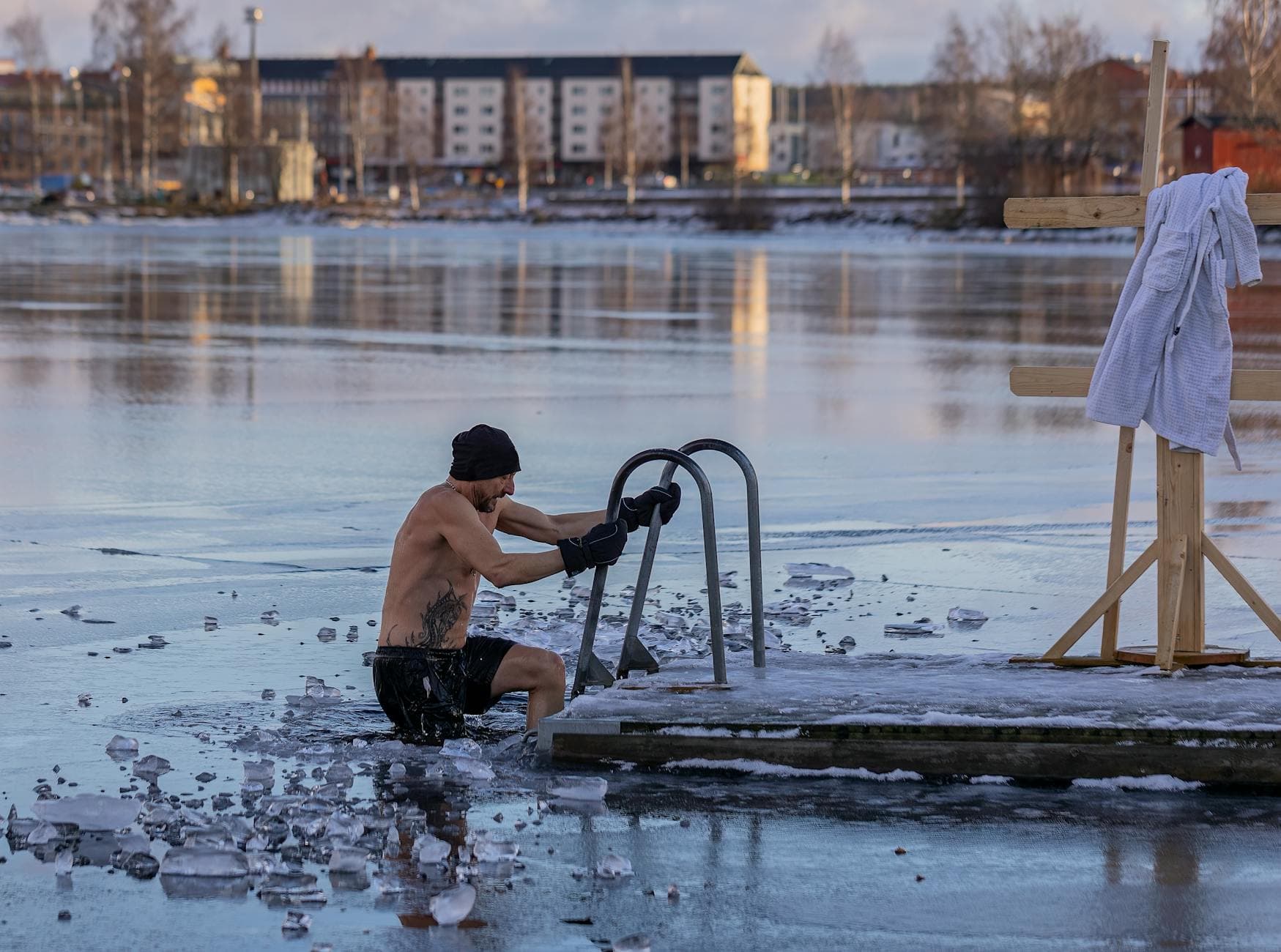
The current boom also has a longer backstory than most wellness trends admit. Bond University notes that the Edwin Smith Papyrus, dated to about 1600 BCE, includes an early cryotherapy-like treatment. Hippocrates advocated cold-water immersion for fever management, and Galen used cold preparations. In Australia, winter swimming clubs appeared in the early 1920s, and the Australian Winter Swimming Association now has more than 5,000 members across 42 clubs.
That history is worth remembering because it takes some of the mystery out of the trend. Cold plunging is not a brand-new discovery, and it is not a miracle. It is an old practice that keeps getting repackaged for the language of the moment, whether that language is recovery, resilience, or mental reset.
In Tucson, that makes the honest takeaway pretty clear. Cold plunging can be a useful way to manage stress, sharpen focus, and build a small, repeatable ritual around your day. It can leave you feeling better for a stretch. Just do not mistake a powerful reset for a treatment plan.
Know something we missed? Have a correction or additional information?
Submit a Tip