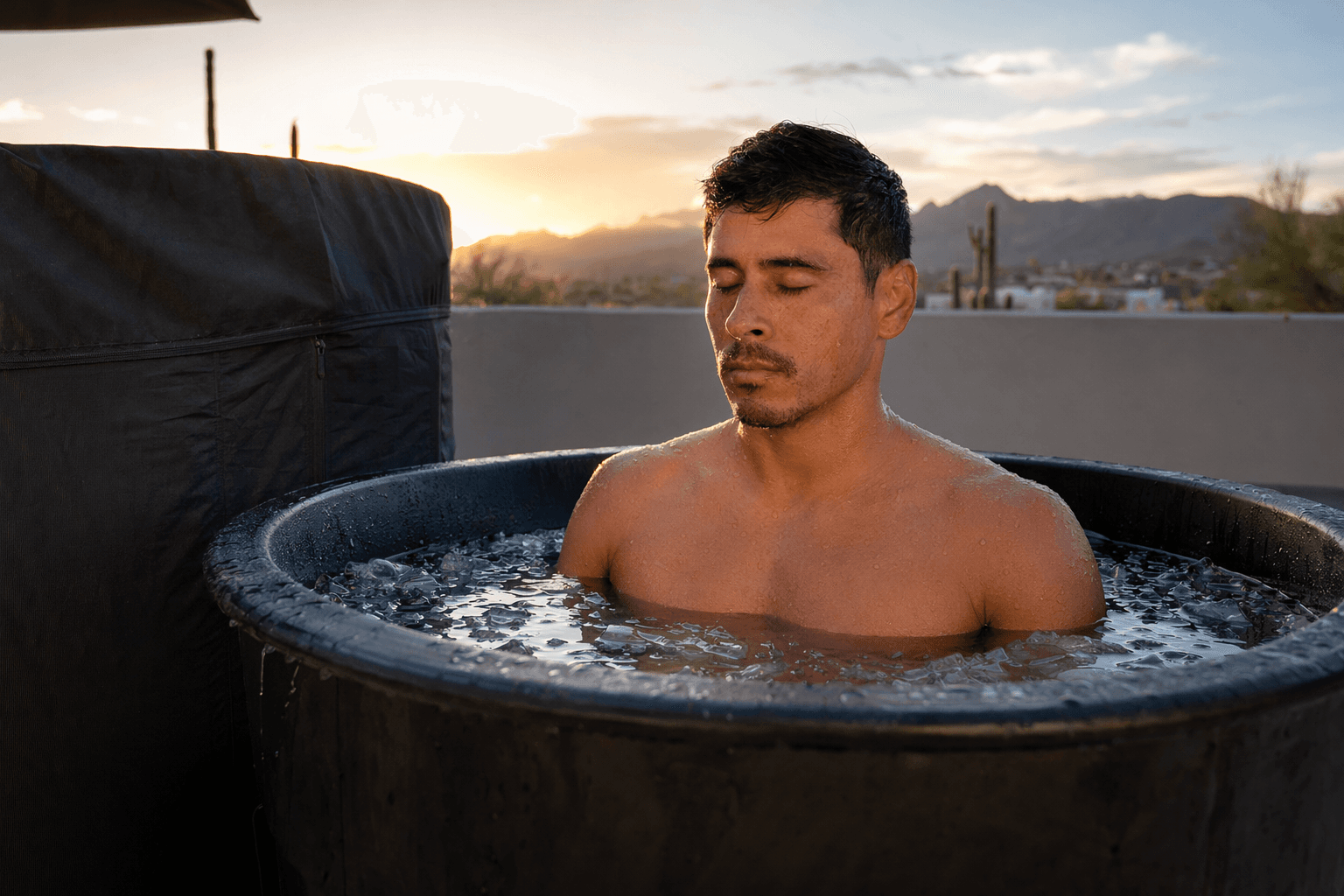
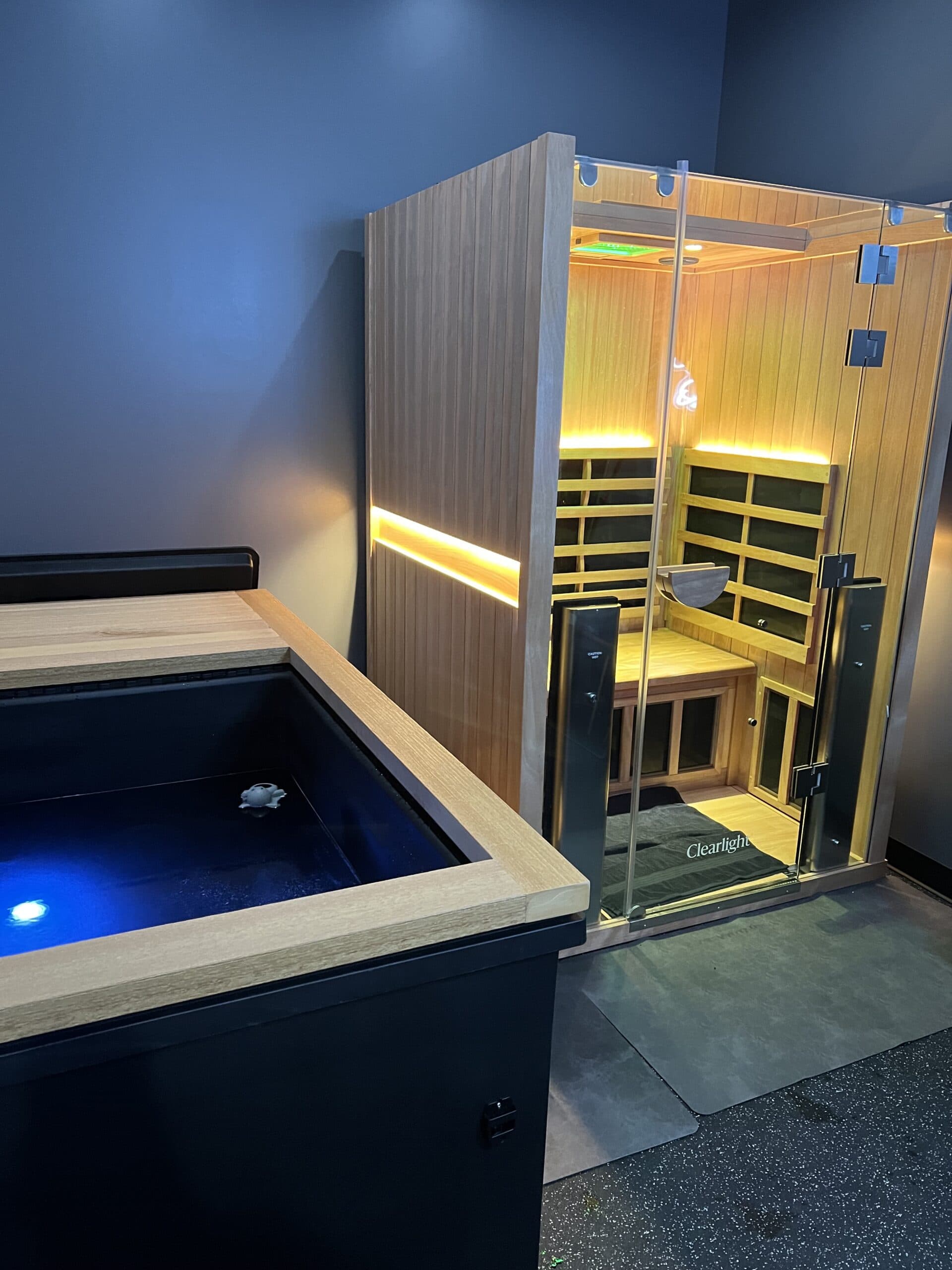
Plunge Crafters pushes easy at-home cold plunges for daily recovery
Plunge Crafters makes a simple argument: the cold plunge that lasts is the one you can use daily, keep clean, and afford to live with.

The real cold plunge question is not how hard you can suffer, it is how easily you can repeat it
The first few seconds in a cold plunge still feel brutal. Then the breathing slows, the mind sharpens, and the whole point of the practice comes into focus: people want energy, recovery, better stress control, and a routine they can actually keep. Plunge Crafters leans hard into that reality, arguing that the best at-home cold plunge is not the most dramatic one, but the one that removes friction from daily use.
That matters because the market has split into two extremes. On one side is the improvised bathtub packed with ice, cheap to start but tedious to maintain. On the other is the luxury tub that promises a polished wellness experience but can become an expensive centerpiece if it is too much trouble to run. Plunge Crafters positions itself in the middle, pushing durable tubs and reliable chillers as the practical path for people who want recovery to be part of normal life, not a weekend stunt.
Convenience is what turns a plunge into a habit
At-home plunging works best when it is close enough, simple enough, and fast enough to use every day. That is the core of the argument here. If the only way to get cold exposure is to drive to a studio, book a slot, and work around someone else’s schedule, the routine has already picked up friction. If the setup at home means repeatedly hauling ice, draining a tub, and resetting the whole system, the same problem appears in a different form.
The most sustainable setups are the ones that reduce those small decision points. A person is more likely to keep plunging when the water is ready, the temperature is predictable, and the equipment does not feel like a project. That is why the home recovery boom makes sense alongside saunas, sleep trackers, massage guns, and supplements. People already accept that performance and recovery are linked, and they are increasingly willing to buy tools that make recovery feel routine instead of aspirational.
The tradeoffs between tub types are bigger than they look
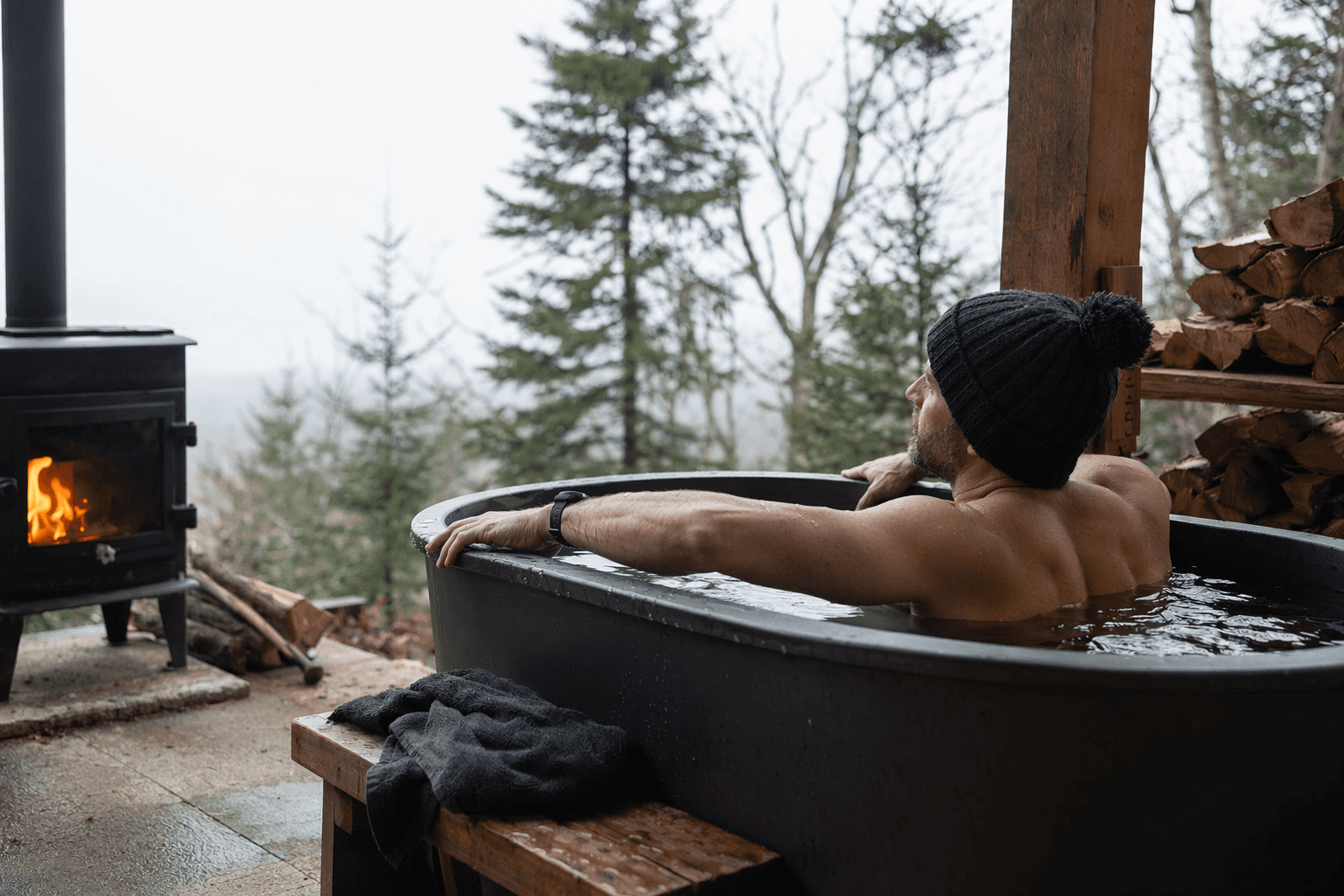
The bathtub-with-ice model has one clear advantage: it is accessible. It gets people started without a major investment. But it also carries the heaviest daily friction, since the ice has to be sourced, dumped, and replaced over and over again. For people who want to plunge after training, that extra work can be enough to break the habit.
A luxury tub solves some of that inconvenience, but often at the cost of complexity and price. If the setup feels too premium to use casually, it can end up as another wellness purchase that looks good but does not get used enough to matter. The more practical home systems, the ones Plunge Crafters is clearly aiming at, try to pair durability with a cleaner daily workflow. The goal is not just cold water, but cold water that is easy to live with.
That is where sanitation and temperature control become part of the habit question, not separate technical concerns. A system that is easier to keep clean and easier to keep cold is one you are more likely to return to. In this space, function beats theater.
What cold exposure is actually doing inside the body and mind
The appeal of cold plunging is not only physical. The practice forces a kind of mental reset. Breathing has to slow down, panic has to settle, and discomfort has to be met without flinching. For many users, that stress response training is as valuable as any recovery effect.

Physically, the most common use case is after exercise, when people are trying to reduce soreness and feel ready sooner. Cold-water immersion has long been associated with short-term recovery, and Cochrane evidence suggests it may help reduce muscle soreness after intense exercise. It should still be understood as one tool, not a miracle intervention.
That distinction matters because the evidence base is more mixed than the social media hype suggests. A 2025 systematic review and meta-analysis in PLOS One found that cold-water immersion in healthy adults may lower stress, improve sleep quality, and improve quality of life, but the benefits were time-dependent and not equally strong across every outcome. The headline is encouraging, but it is not a blank check.
Safety has to sit beside the hype
Cold plunges are usually done in water at or below 50°F for only a few minutes, and that level of exposure is not trivial. The American Heart Association has warned that sudden immersion in water under 60°F can be dangerous because cold-shock effects can hit fast. Washington State health guidance says those effects can include rapid breathing, higher heart rate and blood pressure, and drowning risk if the body reacts abruptly.
The Centers for Disease Control and Prevention adds another layer of caution, noting that cold-water immersion can cause immersion hypothermia faster than standard hypothermia, and that hypothermia can occur in any water temperature below 70°F. Harvard Health has also stressed that broad claims about immunity or cardiovascular improvement remain thin, and that people with cardiovascular disease, especially rhythm abnormalities, should avoid cold plunges. In plain terms, the home setup may be more convenient, but convenience does not make cold water harmless.
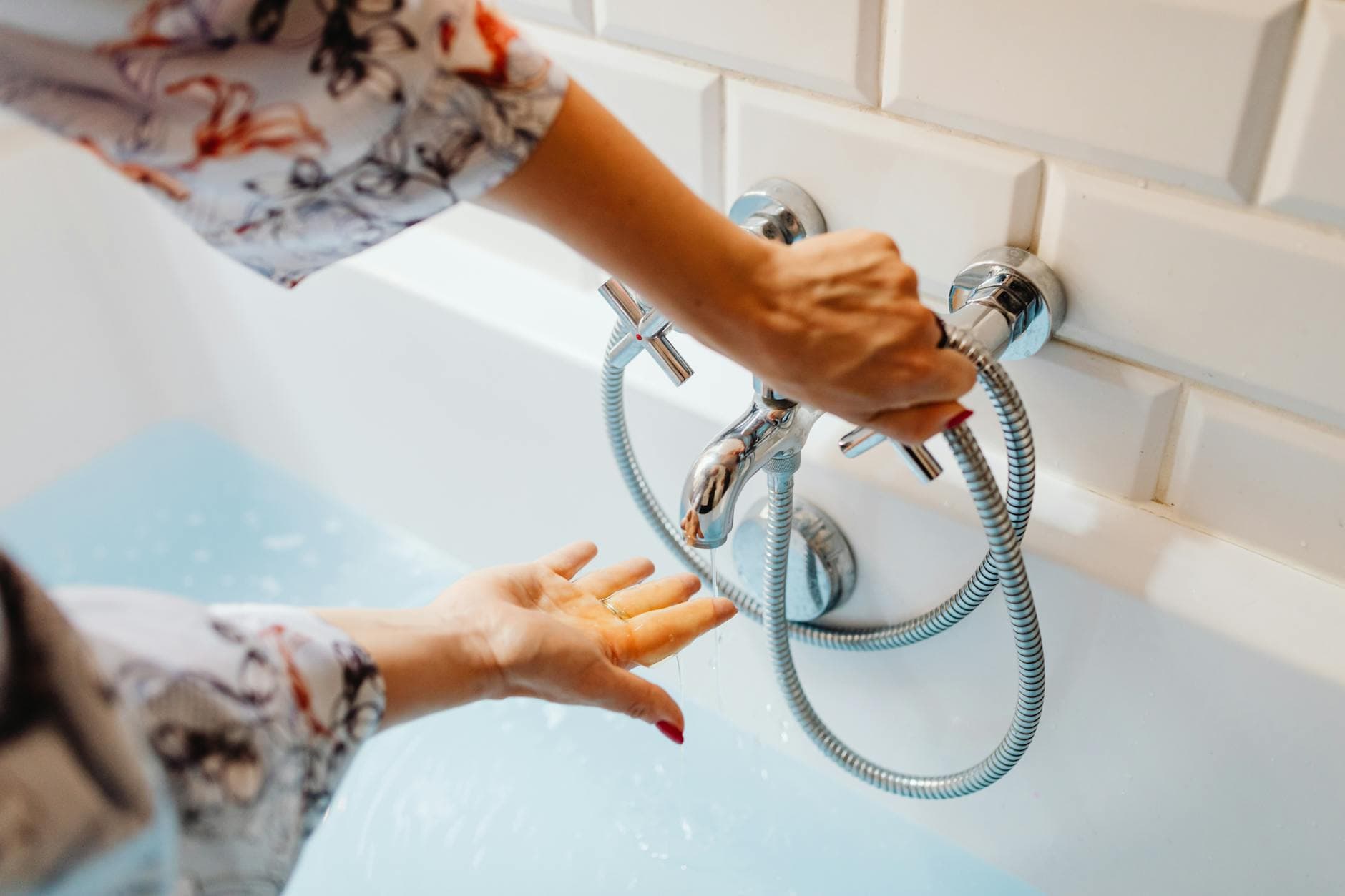
That is why the most responsible at-home plunge is also the one with clear boundaries. The smartest users think about temperature, session length, and their own risk factors before they think about aesthetics.
Why the at-home plunge boom is bigger than one wellness trend
The modern cold plunge wave has been building for years, with Wim Hof helping popularize cold-water exposure and breathing work through the 2010s and into the pandemic era. Mayo Clinic Press has described the shift as a move from occasional ritual to a widely discussed trend. The market numbers back that up too. One 2025 report estimated the global cold plunge tub market at about $0.87 billion in 2025 and projected it to reach $1.92 billion by 2035.
That growth tells its own story. This is no longer just an athlete habit or a social media flex. It is a recovery category, and it is becoming part of the same household wellness economy that already made room for saunas and other personal performance tools. The winning setup will not be the one that looks toughest. It will be the one that makes cold exposure easy enough to repeat, clean enough to trust, and practical enough to keep in the routine long after the novelty fades.
The first plunge can still feel like a shock. The lasting habit is the one waiting at home, ready to make the second, third, and hundredth session feel normal.
Know something we missed? Have a correction or additional information?
Submit a Tip