Hamptons homes turn cold plunges into luxury must-haves
Cold plunges have crossed from wellness flex to luxury infrastructure in the Hamptons. Builders and buyers now expect sauna, recovery, and even IV-drip spaces as part of the package.
The Hamptons wellness reset
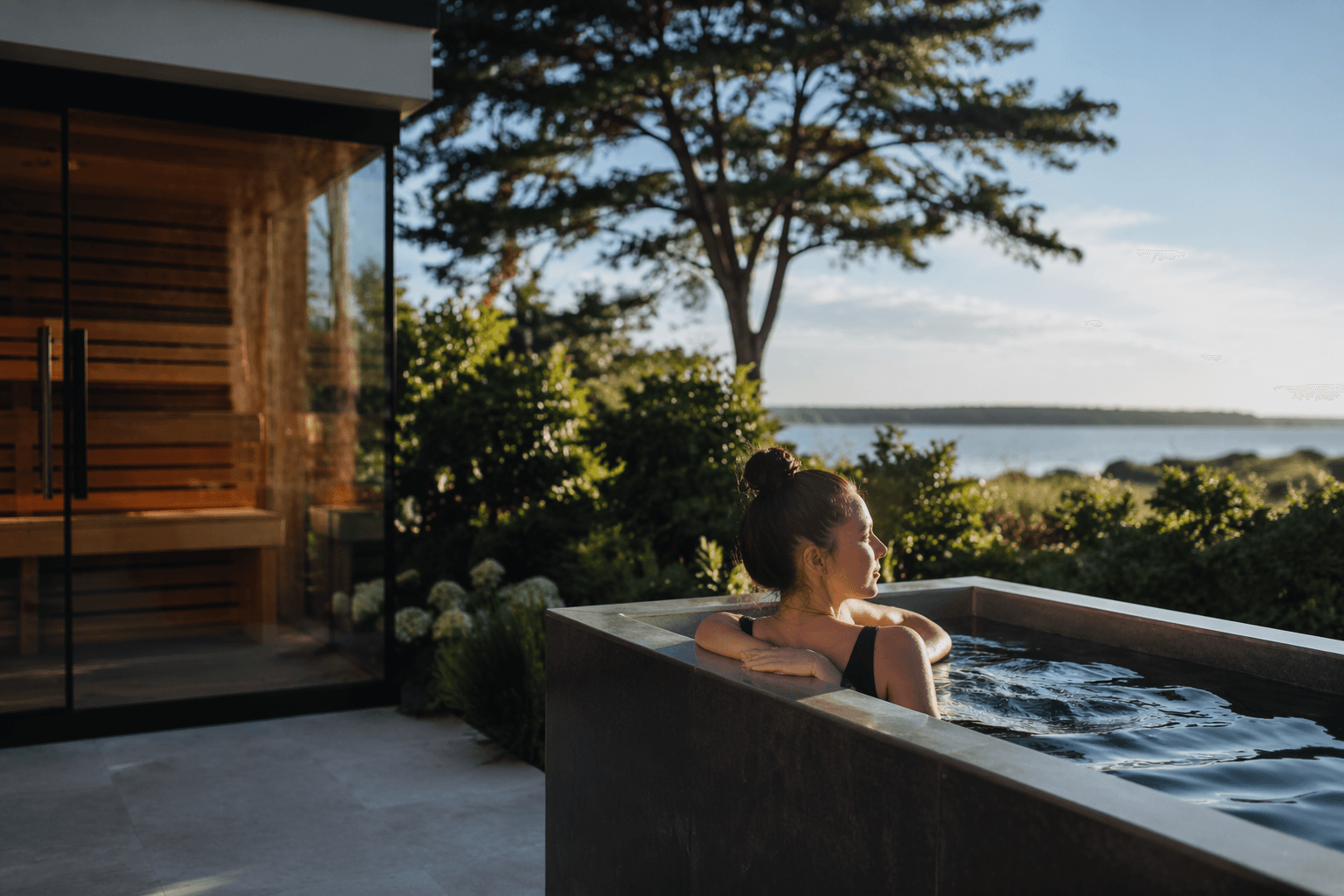
The cold plunge is no longer the quirky extra in a luxury listing. In the Hamptons, it is becoming part of the expected infrastructure, bundled with saunas, recovery rooms, and even IV-drip spaces as high-end buyers treat wellness like a core feature of the house itself.
That shift matters because the region has always sold a certain kind of luxury, beach access, summer status, traditional estate prestige, and long, social weekends. Now the pitch is changing fast. Wellness has become the language of the top end of the market, and the private thermal circuit is emerging as one of the clearest signs that the at-home ice bath has moved from novelty to must-have.
What buyers are asking for now
In the Hamptons, the amenity list is getting more ambitious and more specific. Saunas and cold plunges are increasingly being treated as table stakes, not special surprises. The same wellness logic now stretches into recovery-oriented spaces that support training, downtime, and privacy, with some luxury homes adding IV-drip rooms to the mix.
That bundling tells the whole story. A cold plunge by itself reads as a trend. A cold plunge paired with a sauna, a recovery area, and a wellness suite reads as a lifestyle system. For wealthy buyers, that system is part of the home’s emotional appeal: a place to recover, reset, and stay out of view without leaving the property.
The old Hamptons wellness story was simpler. A beach walk, a lighter dinner, maybe less rosé than usual. The new version is more performance-minded and more design-driven, built around temperature shifts, biohacking cues, and the idea that recovery should feel as considered as the kitchen or the primary bath.
Why the market is moving this way
The wider wellness real estate market helps explain why these features are being treated as value drivers. The Global Wellness Institute says wellness real estate reached $584 billion in 2024 and was forecast to hit $1.1 trillion by 2029. A newer update put the sector at $876 billion in 2025 and projected it could reach $1.8 trillion by 2030.
That growth is not just headline-grabbing scale. The institute says wellness real estate has been one of the fastest-growing corners of the wellness economy, with average annual growth of about 19.5% from 2019 to 2024. In practical terms, that means developers are no longer asking whether wellness amenities sell. They are asking how far they can push them before they become standard.
Cold plunges fit neatly into that shift because they sit right at the intersection of status and utility. They photograph well, signal discipline, and support the larger recovery narrative that luxury buyers now understand instinctively. In a market where every square foot has to justify itself, a plunge setup is becoming part of the value story.
The Hamptons already had the blueprint
This is not the first time the East End has turned wellness into a luxury marker. Shou Sugi Ban House in Water Mill brands itself as the Hamptons’ first destination spa and wellness retreat, and it sits on more than five acres about 90 miles from New York City. Its model is bigger than a spa visit. It frames wellness as a complete experience, with spa, healing arts, nutrition, fitness, and hydrotherapy woven together.
That matters because it shows the Hamptons did not leap straight from beach club culture to home cold plunges. The region already had a wellness identity in place. Shou Sugi Ban House helped normalize the idea that people come to the Hamptons not only to socialize, but to recover, restore, and structure time around health.
The latest home-amenity boom looks like the private version of that same idea. Instead of booking into a retreat, buyers want the retreat built into the property. The home becomes the destination spa.
Luxury pricing is amplifying the trend
The market is competitive enough that any serious differentiator can matter. The East Hampton oceanfront estate at 43 East Dune Lane sold for $72 million on March 11, 2026, the priciest East End deal of the year at that point. At that level, wellness amenities are not decorative extras. They are part of the argument for why one property feels more complete, more private, and more forward-thinking than another.
The Real Deal also noted that the Hamptons summer market was already heating up heading into Memorial Day weekend, which is exactly when these features become visible. In a region where seasonal competition is intense, a house with a polished recovery room or an integrated plunge setup can sharpen its appeal before buyers even step outside.
For brokers and developers, that means the wellness sell is no longer optional. It is part of the premium positioning strategy. For buyers, it is increasingly a signal that the house is built for the way they want to live now, not just for how they want to entertain.
The at-home plunge market is maturing
The residential cold plunge market is growing beyond the luxury bracket in concept, even if the best versions remain expensive. Realtor.com has reported that some sophisticated at-home cold plunge systems can cost tens of thousands of dollars. It also cited Future Market Insights in projecting the plunge pool market to grow by more than $200 million over the next decade.
That helps explain why the Hamptons are such a useful case study. The region often acts as a preview of what the upper end of residential design will normalize next. When a feature starts appearing in East End listings and wellness retreats, it usually means the broader luxury market is not far behind.
The demand is already being met by local wellness operators. Drift Wellness says it offers sauna and cold-plunge experiences across the Hamptons and East End, while Wave Wellness has built out sauna and cold-plunge facilities in Sag Harbor and Southampton. Wave Social Wellness opened a 4,000-square-foot Southampton location in February 2025, a concrete sign that the business side of the trend is no longer experimental.
That ecosystem matters. When private homes, local studios, and destination retreats all reinforce the same behavior, the amenity stops feeling trendy and starts feeling normal.
What comes next for Hamptons homes
The biggest change is not the temperature of the water. It is the way luxury homes are being sold. Cold plunges now sit inside a broader promise of recovery, privacy, and performance-minded living, and that promise is increasingly central to the Hamptons market.
As saunas, plunge setups, and recovery rooms become more common, the real estate message gets clearer: wellness is no longer a side benefit. It is part of the house. In the Hamptons, the cold plunge has crossed the threshold from lifestyle accessory to luxury must-have, and the next wave of premium homes will be judged by how completely they can deliver that private thermal circuit at home.
This article was produced by Prism’s automated news system from verified source data, official records, and press releases, then run through automated quality and moderation checks before publishing. The system is built and supervised by the people who set the standards it runs under. Read our full AI policy.
Know something we missed? Have a correction or additional information?
Submit a Tip