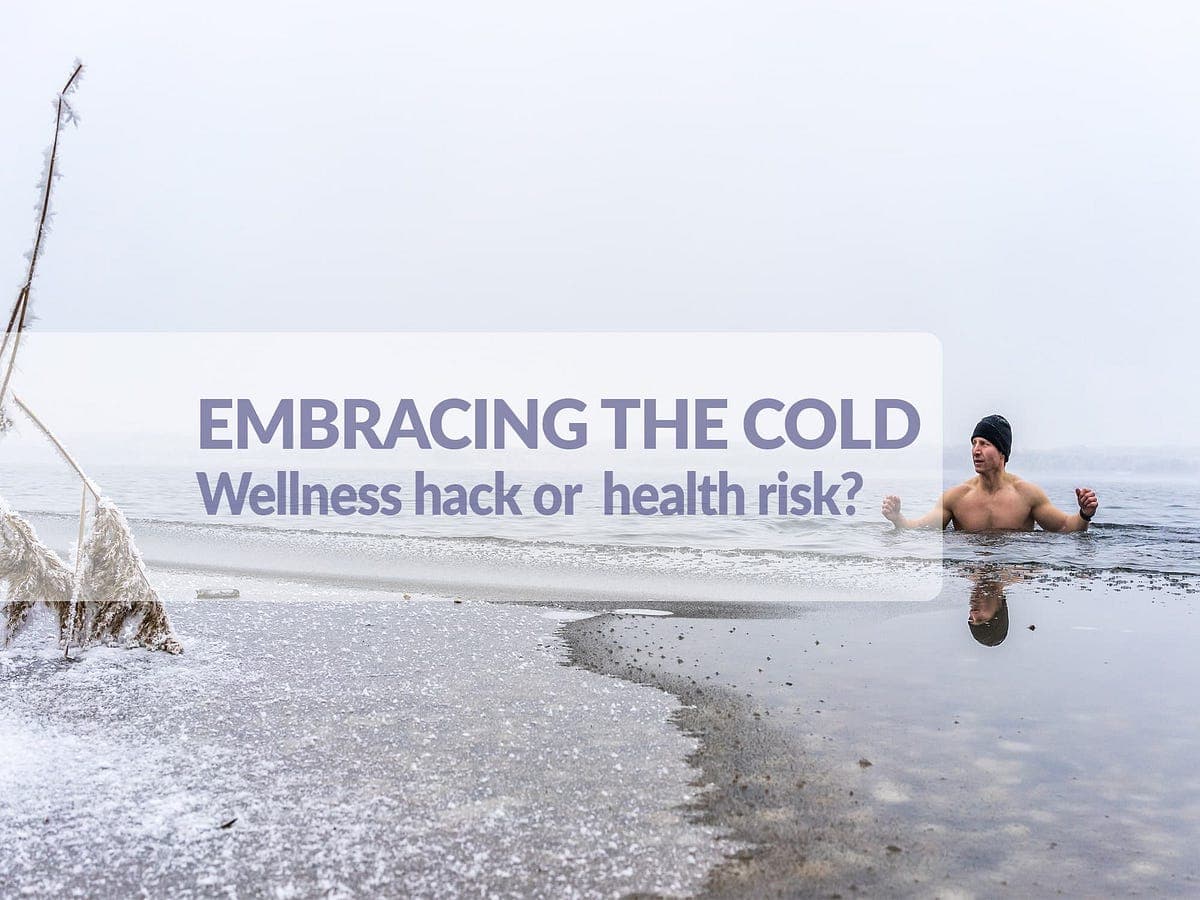
Ice baths after stress may add strain, doctor warns
Dr Francesco Lo Monaco warned that an ice bath after a hard day can stack stress on stress, raising strain on the heart and nervous system.

Dr Francesco Lo Monaco, founder of The National Heart Clinic, warned that the reflex to jump into an ice bath after a stressful day can push the body in the wrong direction. In a June 2 cautionary piece, Times Now Health said that when stress is already driving up blood pressure, disrupting sleep, and feeding burnout risk, another hard physiological hit may add strain instead of relief.
The warning lands because cold exposure is not a neutral reset. The American Heart Association says cold-water immersion can trigger a sudden cold shock response, with breathing, heart rate, and blood pressure all spiking at once. It also says water pulls heat from the body about 25 times faster than air, which is one reason a plunge can turn intense quickly. The AHA says evidence for broad health benefits remains scant.
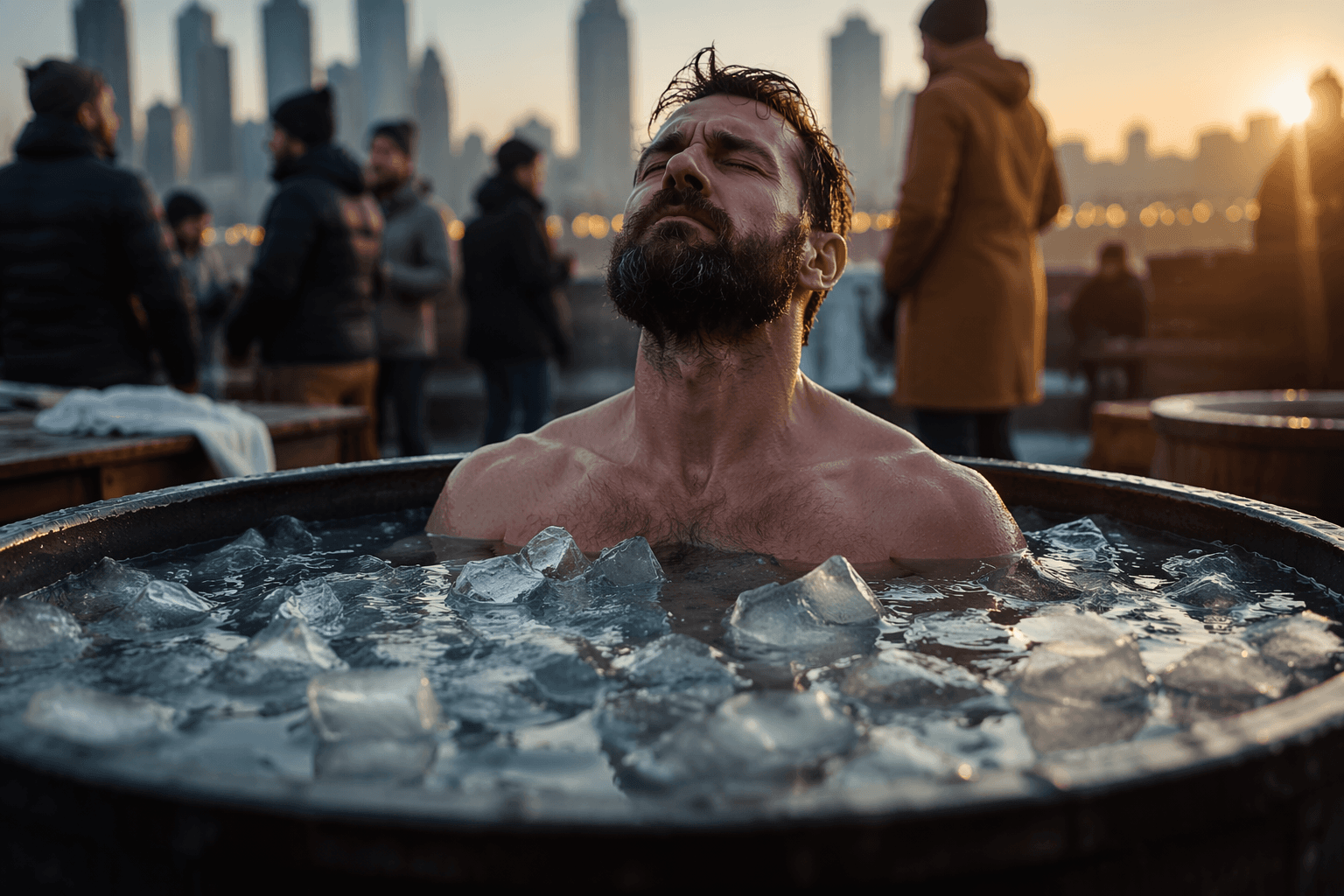
That is the key mismatch for stressed, sleep-deprived, or overtrained bodies. Lo Monaco’s point was not that every ice bath is harmful, but that stacking one stressor on top of another can make the heart and nervous system work harder when they need to come down. The same logic applies to the other quick fix he flagged, punishing workouts after a rough day. Extreme exercise can bring cardiac fatigue, arrhythmias, and, in some settings, heart attacks.
The medical caution gets sharper for people with cardiovascular risk. Harvard Health quoted sports cardiologist Dr. Prashant Rao saying cold-water therapy is not advisable for people with cardiovascular disease, especially those with rhythm abnormalities. The American College of Sports Medicine, which calls cold water immersion the most studied cryotherapy method and the most commonly used recovery tool for athletes, says the protocol matters. It lists stage III or IV heart failure, coronary artery disease, unstable angina, uncontrolled hypertension, Raynaud’s disease, and other conditions as reasons to consider contraindications before using it.
ACSM also notes that timing matters. In one 2015 study of 24 physically active men, cold-water immersion used immediately after exercise reduced strength and hypertrophy gains. That does not make the tool useless, but it does make it specific. Cold water can be a deliberate recovery tactic for some athletes, yet it is not a universal answer for a body already under pressure.
For the moment when stress is the problem, the better move is usually simpler: breathwork, meditation, gentle stretching, vagal-nerve exercises, or a 20-minute walk after lunch or work. When the body is already overloaded, the plunge can become one more load.
This article was produced by Prism’s automated news system from verified source data, official records, and press releases, then run through automated quality and moderation checks before publishing. The system is built and supervised by the people who set the standards it runs under. Read our full AI policy.
Know something we missed? Have a correction or additional information?
Submit a Tip