Study finds 30-second cold shower endings cut work absences 29 percent
Thirty seconds was enough to move the needle: the cold-shower groups had 29 percent fewer work absences, and 60 or 90 seconds did not clearly outperform it.
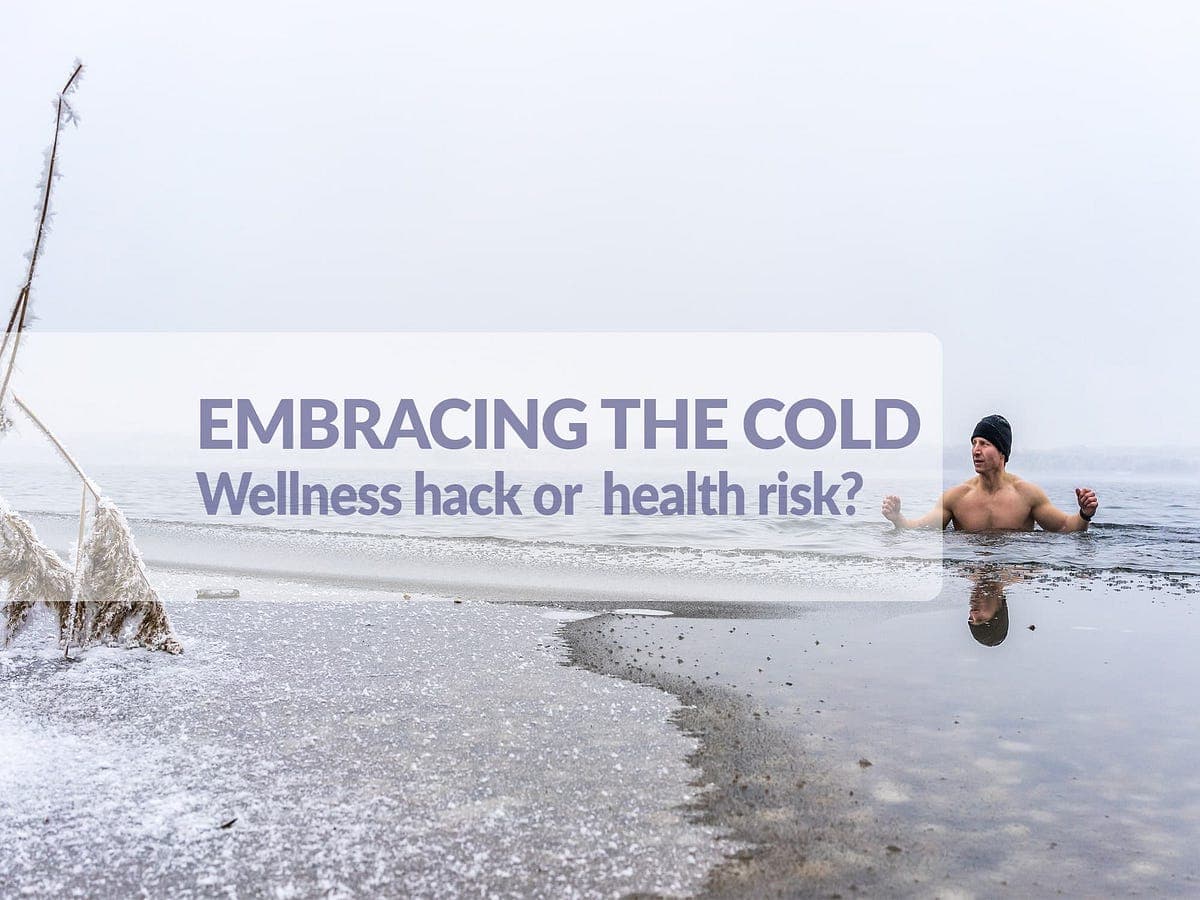
Thirty seconds was enough to move the needle. In a Dutch randomized trial of 3,018 adults, the 30-second cold finish performed about the same as 60 or 90 seconds, yet the cold-water groups still recorded a 29 percent drop in self-reported sickness absence from work.
That makes the study feel unusually practical for plunge-curious readers. The intervention was not an ice bath, a specialty tub, or a sauna-cold circuit. Participants were simply told to end a normal shower with cold water for 30 consecutive days, then invited to keep doing it for another 60 days if they wanted. The groups were assigned between January and March 2015, and the trial followed employed adults ages 18 to 65 who had no routine cold-shower habit and no severe comorbidity.
The main signal was about attendance, not illness prevention. The paper, published in PLOS ONE on September 15, 2016, reported a 29 percent reduction in sickness absence, with an incident rate ratio of 0.71 and P = 0.003. But the researchers did not find a significant group effect for illness days once people were sick. In other words, the cold finish was linked to fewer missed workdays, not fewer infections.
The dose question is what makes the result stand out for anyone building a routine at home. The 30-second, 60-second, and 90-second groups produced essentially the same outcome, which suggests the benefit may come from adding a brief daily cold stressor rather than stretching exposure for the sake of toughness. That matters in a community where the barrier is often breath control and consistency, not access. A shorter cold-shower finish is easier to repeat than a full plunge session, and the trial’s design gives that low-friction habit real weight.
The study also landed without major safety red flags. Seventy-nine percent of participants in the intervention groups completed the initial 30-day protocol, and no related serious adverse events were reported. The authors, including Geert A. Buijze, Inger N. Sierevelt, Bas C.J.M. van der Heijden, Marcel G. Dijkgraaf, and Monique H.W. Frings-Dresen, also noted that cold bathing has long roots, from Roman bathing rituals that ended in a cold plunge to modern frigidarium-style finishes in spas and saunas.
For readers choosing between a brief cold shower ending and a bigger at-home plunge setup, the study pointed in a clear direction: the easier version may be close enough to matter, and staying consistent may count more than chasing longer exposure.
This article was produced by Prism’s automated news system from verified source data, official records, and press releases, then run through automated quality and moderation checks before publishing. The system is built and supervised by the people who set the standards it runs under. Read our full AI policy.
Know something we missed? Have a correction or additional information?
Submit a Tip