Two hospitalized after cold plunge chemical mixup in downtown Kansas City
Two people went to the hospital after the wrong chemicals were mixed in a downtown Kansas City cold plunge, sending hazmat crews into the building.

The cold plunge room in downtown Kansas City turned into a hazmat call in minutes, and two people ended up at area hospitals for evaluation after the wrong chemicals were mixed in a tub inside a building on West 13th Street.
Kansas City Fire Department crews were dispatched at about 4:01 p.m. to the 100 block of West 13th Street after someone at the location reported that an incorrect chemical combination had been used in a cold plunge tub. Battalion Chief Riley Nolan said crews were told a responsible party had mixed the wrong chemicals, prompting an evacuation of the building while firefighters investigated the scene.
Hazmat crews worked to dilute the chemicals, and the building was ventilated before air quality in the area was later determined to be normal. Republished versions of the report identified the business involved as SweatHouz at 101 W. 13th Street, Suite 1. The fire department did not immediately identify the exact chemicals involved, but cold plunge and pool systems commonly rely on sanitizers such as chlorine, bromine, and, in some setups, hydrogen peroxide.
That is where the risk sharpens for owners, managers, and building staff. The CDC says people who handle pool chemicals need training, chemical use should be documented, and storage areas should have secondary containment, good ventilation, and access to safety showers and eyewash stations. The EPA warns that incompatible chemicals can create toxic gas, heat, fire, or explosions. In plain terms, the same routine that keeps a plunge clean can become dangerous fast if the wrong products are mixed, stored together, or handled without a clear written procedure.
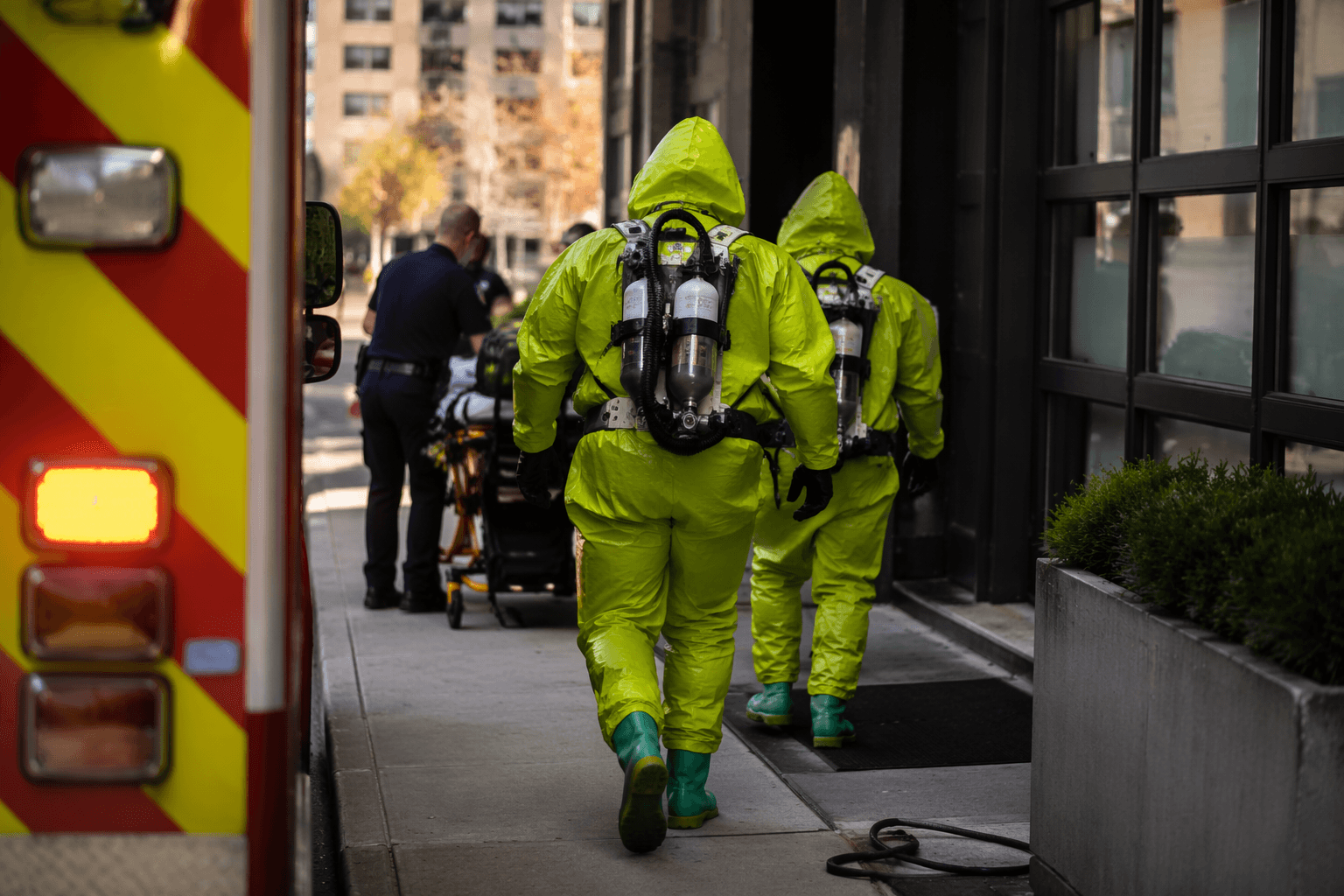
The Kansas City response also underscores how quickly a wellness amenity can become a building-wide incident. KCFD describes itself as an all-hazards department, and hazmat crews were part of the response because this was not just a maintenance problem, but a chemical exposure event with hospital evaluations and an evacuation attached to it.
For anyone using a shared or commercial plunge, the most important questions are basic ones: who handles the chemicals, what training they have, whether the dosing is documented, and whether the equipment room is built for safe storage and ventilation. Downtown Kansas City got a fast reminder that a cold plunge is only as safe as the people managing the water behind the experience, and when that part goes wrong, the whole building feels it.
This article was produced by Prism’s automated news system from verified source data, official records, and press releases, then run through automated quality and moderation checks before publishing. The system is built and supervised by the people who set the standards it runs under. Read our full AI policy.
Know something we missed? Have a correction or additional information?
Submit a Tip