Hydrothermal Initiative: The 'Cooling Conversation' Matures — Global Wellness Institute Names 2026 Trends
GWI's 2026 trends report documents an 'ice bath backlash' pushing venues toward 12-15°C cold rooms and Kneipp pools over single-plunge immersion.
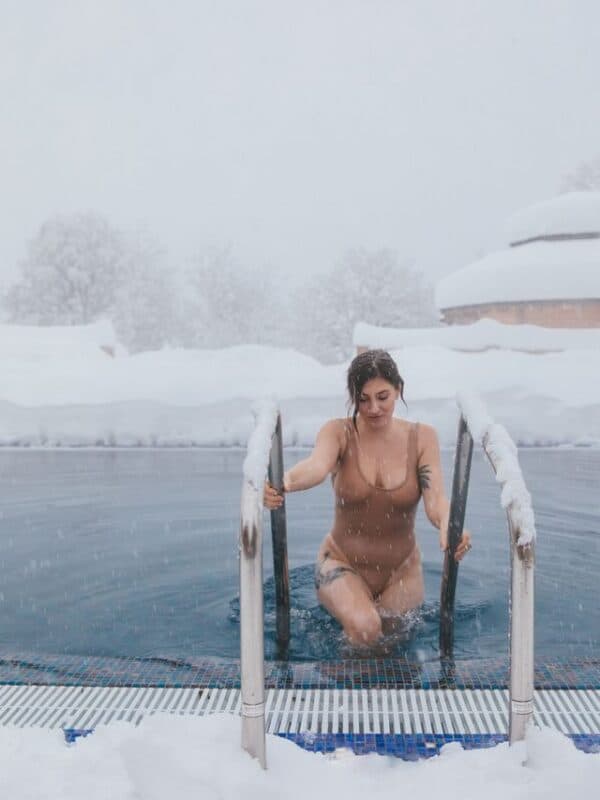
The ice bath as a standalone shock event is officially losing ground. The Global Wellness Institute's 2026 Hydrothermal Initiative Trends report, published April 6 under initiative chair Don Genders and vice-chair Cassandra Cavanah, declared that the "cooling conversation" has matured beyond the classic plunge and into something more layered, more moderate, and commercially far more scalable.
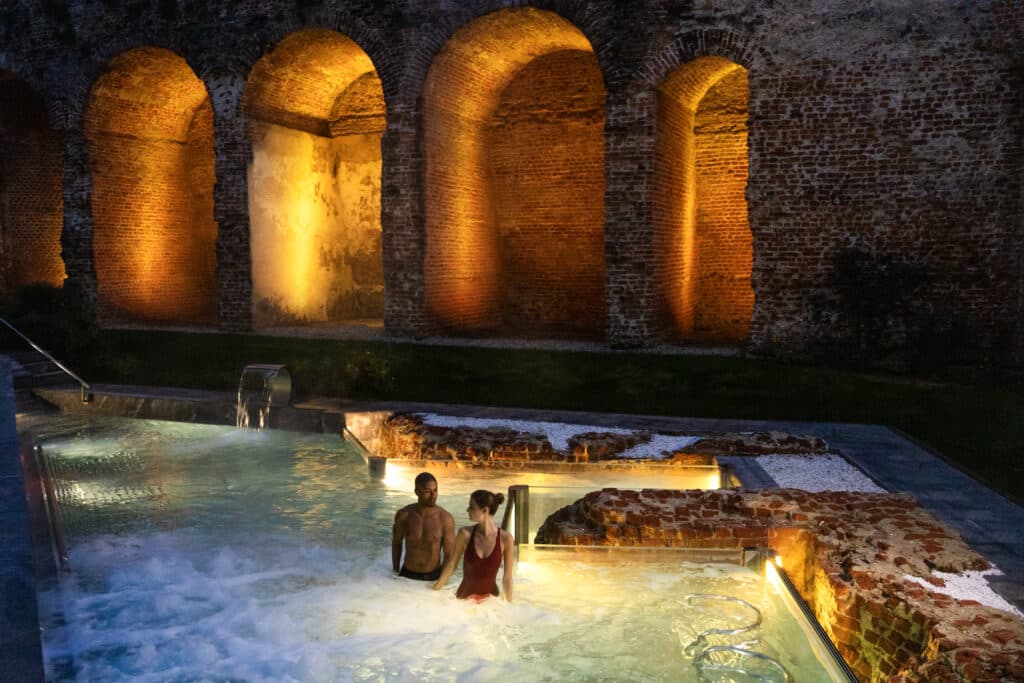
The GWI's headline finding was direct: "cold is increasingly positioned not as a singular shock experience, but as one element within a thoughtfully designed hydrothermal circuit." That framing carries real weight from an organization that advises both industry operators and policymakers on wellness design. The shift it describes is away from rooms built around a single large ice tank and toward temperature-graded alternatives: snow rooms, snow showers, Kneipp walking pools, experience showers, and moderated cold rooms held at 12 to 15 degrees Celsius.
Three forces are driving that redesign, according to the report. First is what the GWI explicitly named an "ice bath backlash" among consumers and clinicians, centered on safety concerns and the environmental cost of maintaining ultra-cold, high-volume immersion setups. Second is an accumulating body of sports science showing that moderate, protocolized cold exposure can deliver many of the recovery and metabolic benefits long credited exclusively to sub-10°C plunges. Third, and most commercially decisive, are the practical constraints of operating an ice tank at scale: hygiene management, staffing demands, and the throughput limitations of serving a large, diverse guest population through a single cold modality.
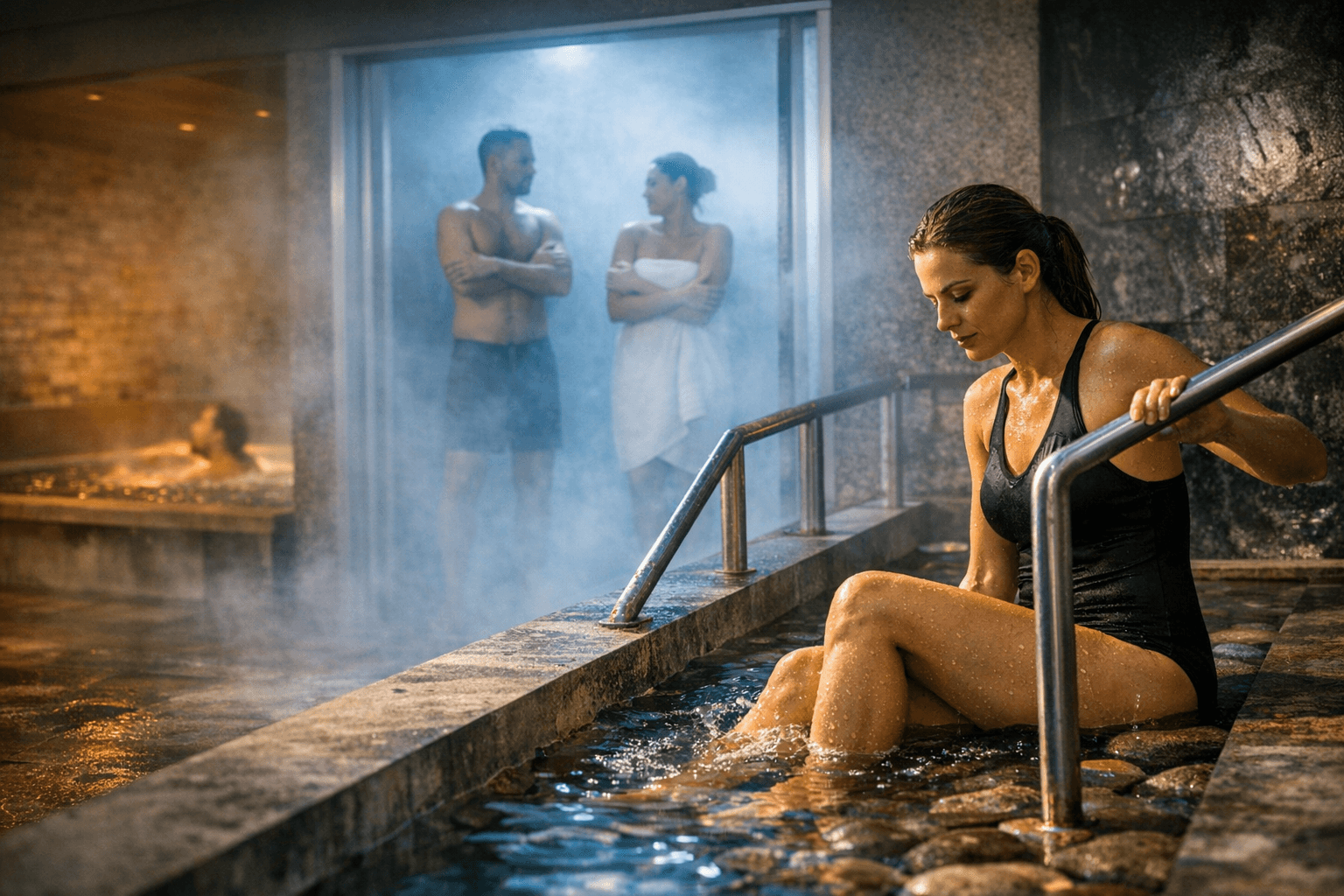
For anyone who has built a serious contrast practice, none of this means the cold has been softened into irrelevance. It means the delivery mechanism is being reconsidered. A Kneipp pool or a 13°C cold room embedded in a heat-cool-water-rest circuit can produce the physiological stimulus consistently and safely across dozens of guests per day, where a single ice bath cannot. The GWI's guidance to athletes and consumers was equally specific: regular, moderate cold exposures integrated within a wider contrast protocol may improve long-term adherence and reduce risk without sacrificing the core benefit.
The market signal embedded in the report is one worth tracking. The GWI identified product and service innovation oriented toward energy-efficient cooling and formalized contrast protocols as the next commercial frontier, with hospitality and urban spa developers designing for staged thermal journeys rather than one-off immersion events. The venues that absorb Don Genders and Cassandra Cavanah's 2026 framework first are the ones building the blueprint for what a modern thermal space looks like when cold stops being the whole point and starts being a well-placed element within it.
This article was produced by Prism’s automated news system from verified source data, official records, and press releases, then run through automated quality and moderation checks before publishing. The system is built and supervised by the people who set the standards it runs under. Read our full AI policy.
Did this article answer your question?