National Geographic warns cold plunge hype is outrunning the science
The cold-plunge boom now promises better focus, faster recovery and longer life, but the best evidence still points mostly to short-term soreness relief.

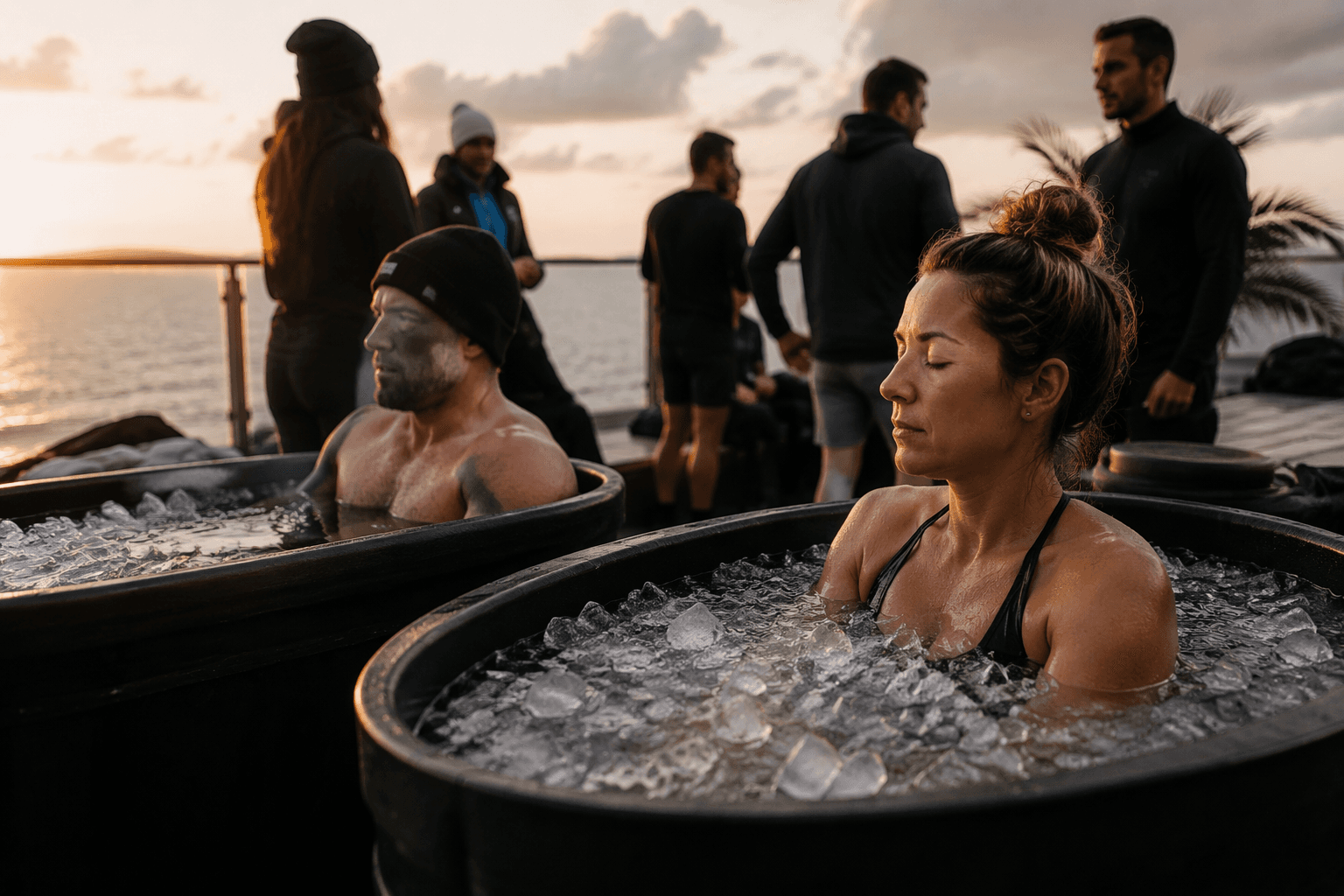
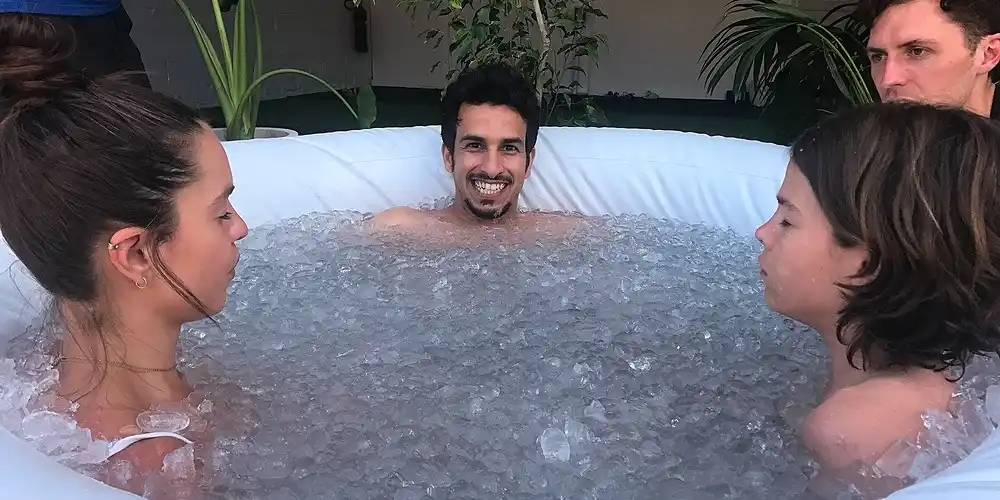
National Geographic’s July 13 health piece says the cold-plunge boom has outrun the science, even as ice baths are marketed as fixes for faster recovery, sharper focus, better metabolism, longer life and dramatic dopamine spikes. The story centers on Denis Blondin of Université de Sherbrooke, a thermal physiologist who has studied human responses to cold for more than two decades and says the appeal is real, even when the claims go too far.
Blondin traces his own fascination to a near-freezing immersion in 2004, an experience he describes as a shock that pushed him into long-running research on how the body reacts to cold. He is not anti-cold-plunge. He points to accessibility and the way cold plunges can bring people together. But he and other experts say the strongest findings do not support the idea that cold-water immersion is a universal recovery tool or a cure-all for adaptation.
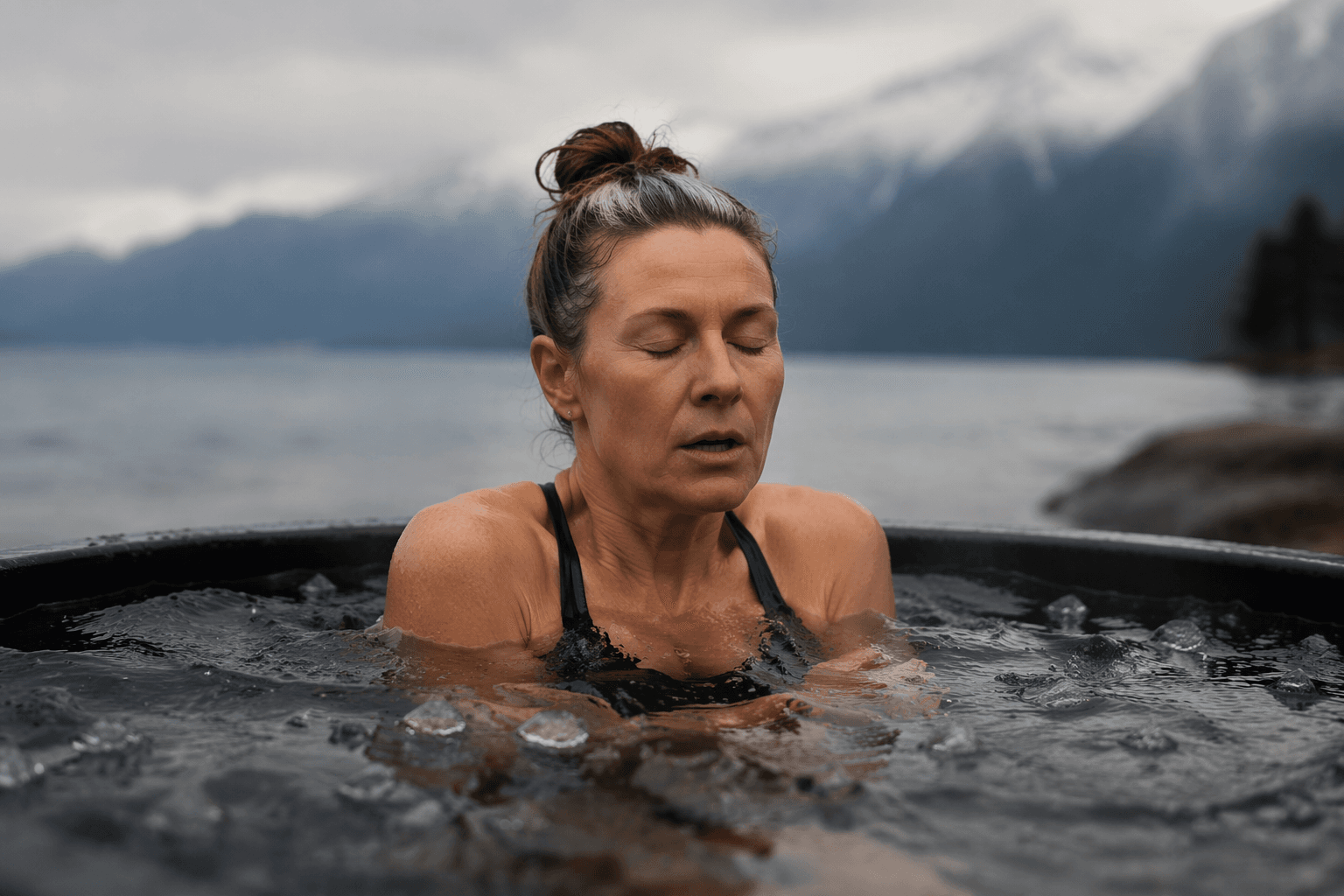
The narrower evidence base is easier to defend. A 2024 systematic review found moderate-to-strong evidence that cold-water immersion can reduce muscle soreness and muscle damage and improve how recovered people feel in the short term. Its effects on performance and inflammation stayed unclear. A later 2025 and 2026 review reached the same basic conclusion: outcomes shift with water temperature, immersion duration and timing, and there is still no standard formula that works across the board. A separate review through December 2024 found only eight studies on post-exercise hot and cold-water immersion, which is not much to build broad wellness claims on.
The safety side is harder to market. The American Heart Association says water pulls heat from the body about 25 times faster than air, and that prolonged cold-water immersion can lead to hypothermia, loss of coordination and impaired thinking. It also notes that some studies have found elevated troponin in winter swimmers, a sign that the heart muscle may be under strain. The Centers for Disease Control and Prevention says immersion hypothermia develops much more quickly than standard hypothermia and can occur in water colder than 70 degrees Fahrenheit.
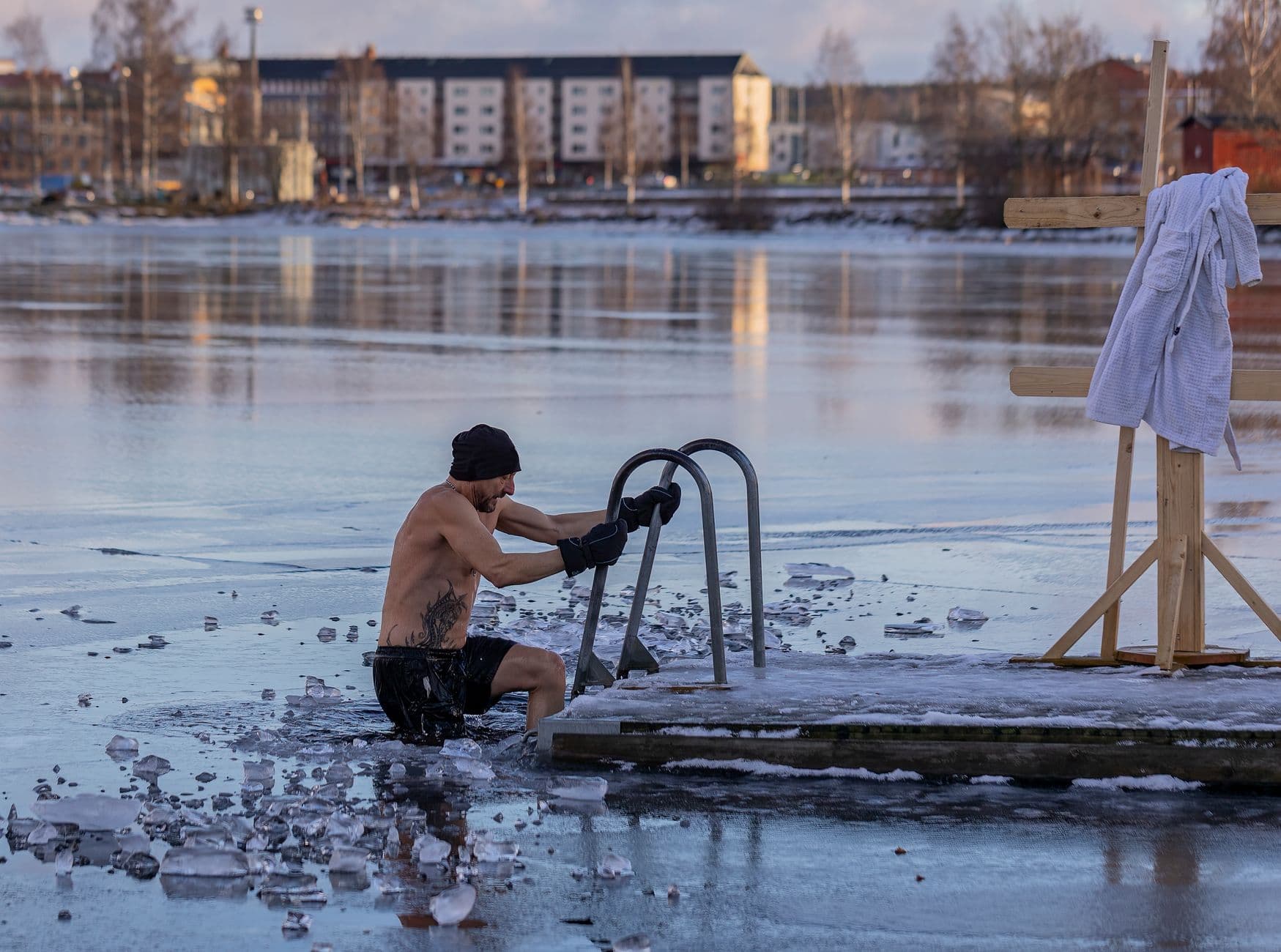
The old impulse behind cold immersion is hardly new. University of Portsmouth researchers note that Roman bathhouses had a frigidarium, a cold plunge pool or bath. What is new is the commercial engine around it, from home tubs and plunge centers to social-media swagger. Blondin’s own current recruiting study on ClinicalTrials.gov, last updated May 7, 2026, focuses on repeated cold-induced shivering thermogenesis in type 2 diabetes. That is where the science still lives now, in specific questions about physiology, while the marketing keeps promising everything at once.
This article was produced by Prism’s automated news system from verified source data, official records, and press releases, then run through automated quality and moderation checks before publishing. The system is built and supervised by the people who set the standards it runs under. Read our full AI policy.
Did this article answer your question?