New review says kombucha may help blood sugar, but evidence is thin
A June 26 preprint says kombucha may blunt blood sugar spikes, but the human evidence still rests on two small studies.
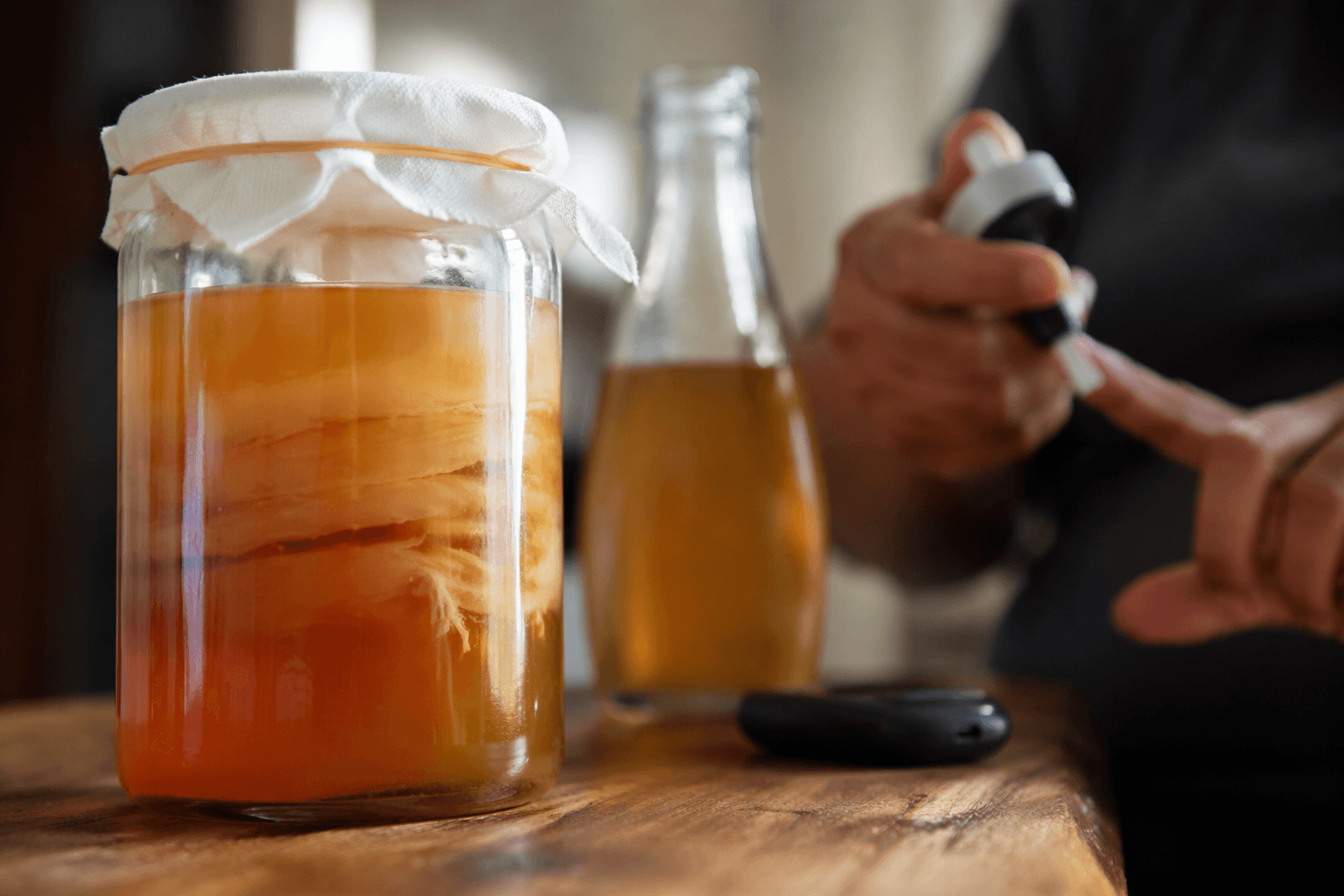
A June 26 preprint found kombucha’s strongest human signal so far in blood sugar control, but the evidence still comes from small studies, not the kind of large trials that settle wellness claims. The review, Kombucha as a Functional Fermented Beverage: Emerging Clinical Evidence and Public Health Considerations, said controlled human data are still relatively recent and sparse, even as kombucha keeps riding a health halo.
The paper pulled together clinical, mechanistic, sensory, cultural and public-health angles around a drink made from tea, sugar, bacteria and yeast. Its sharpest data point came from a randomized, placebo-controlled crossover trial in 11 healthy adults published in Frontiers in Nutrition in 2023, where unpasteurised kombucha taken with a high-glycaemic-index meal lowered the meal’s glycaemic index from 86 to 68, a drop of about 20 percent. The same review also cited a pilot randomized study in adults with type 2 diabetes that found lower fasting blood glucose after four weeks of regular kombucha intake. Georgetown University School of Health, the University of Nebraska-Lincoln and MedStar Health linked that result to lower fasting blood glucose compared with a similar-tasting placebo beverage, while the authors said larger trials were still needed.
That caution matters because fermentation changes kombucha’s chemistry in ways that do not automatically translate into a broad health benefit. The drink can carry organic acids, polyphenols, electrolytes and live microbes, but the review’s tone stayed measured: promising signals, not proof. For brewers, that is the line between talking about a fermented tea with a complex matrix and selling it as a cure-all.
The regulatory backdrop is just as unforgiving. The U.S. Alcohol and Tobacco Tax and Trade Bureau says kombucha at 0.5% alcohol by volume or more is regulated as an alcohol beverage under federal law, and it warns that bottles below that threshold can still cross it if fermentation keeps going. Fruit juice and other flavorings can make that swing harder to predict, which is one reason shelf-stable kombucha is not a trivial packaging job.
Safety history also hangs over the category. The Centers for Disease Control and Prevention documented unexplained severe illness in Iowa in 1995 after kombucha consumption and urged adverse-event reporting to FDA MedWatch. A 2022 case report and review again pointed to serious events in the literature, including lactic acidosis and severe acute liver injury.
Kombucha Brewers International says the first U.S. commercial kombucha brand still operating today was established in 1995 by GT Dave, and that kombucha-based products had already been sold in European apothecaries for at least 60 years before that. A 2026 industry estimate put the global kombucha market at about $5.5 billion, with North America holding the largest share in 2025. The category is bigger than ever, but the health claims still need the same thing the review asked for: better human data, not more folklore.
This article was produced by Prism’s automated news system from verified source data, official records, and press releases, then run through automated quality and moderation checks before publishing. The system is built and supervised by the people who set the standards it runs under. Read our full AI policy.
Did this article answer your question?