How the Aqua-Lung made modern scuba possible
The Aqua-Lung solved scuba’s core problem: carrying air and breathing on demand. That single fix turned underwater travel from a tethered chore into the sport divers use today.
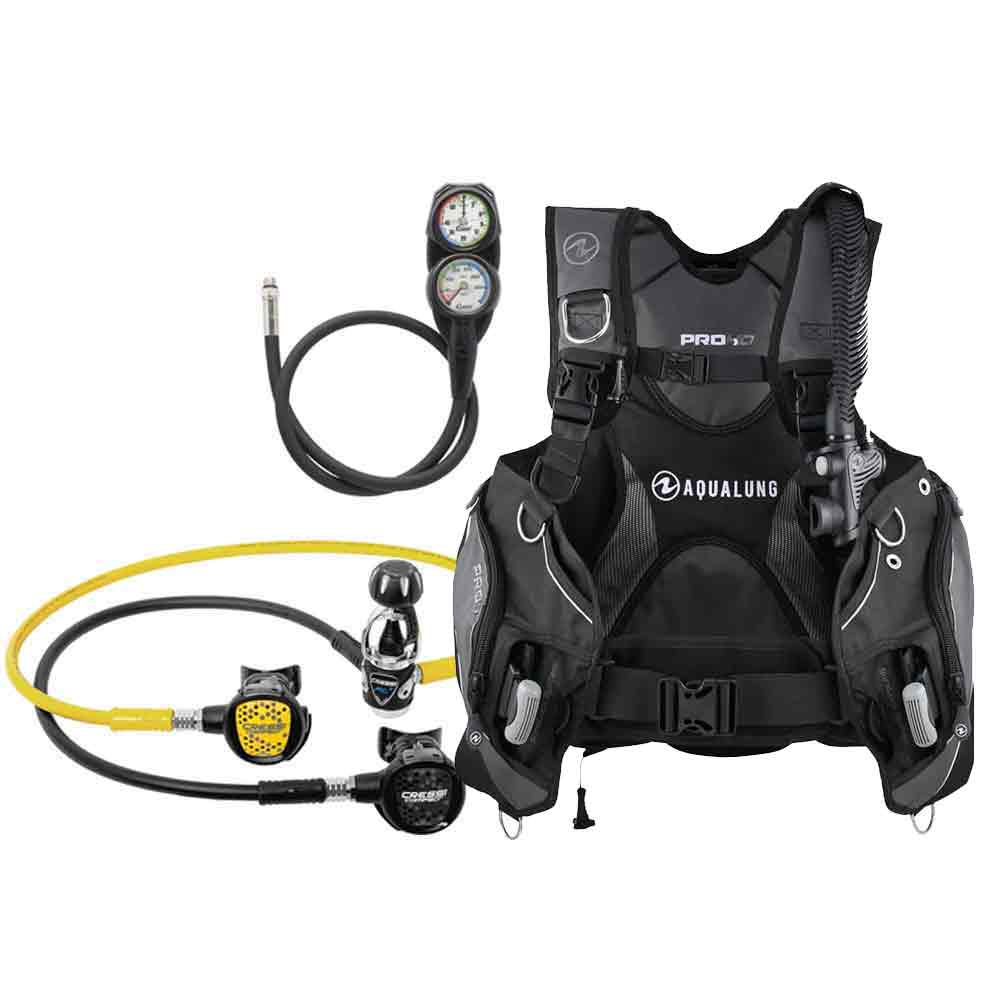
If you dive today, you are using the answer to a very old problem: how to carry your own air underwater and breathe it without fighting the gear. The Aqua-Lung is the point where that problem stops being theoretical and becomes practical for ordinary divers, with a compact cylinder and a demand regulator that only feeds gas when you inhale.
The breakthrough that changed the whole dive
Before the Aqua-Lung, underwater breathing was boxed in by the hardware. Earlier methods leaned on heavy suits, tethered helmets, surface supply, or other cumbersome setups that kept divers shallow and cut their bottom time short. That is why the Aqua-Lung matters so much in scuba history: it did not just improve an existing tool, it changed the shape of the dive itself.
The Cousteau Society calls it the invention that revolutionized SCUBA diving, and that is not hype. Once a diver could carry breathing gas and draw it only when needed, freedom of movement opened up in a way older systems never allowed. Modern recreational scuba still rests on that same idea, which is why your kit centers on a cylinder, a regulator, and a system built for independence in the water.
Why Cousteau and Gagnan were the right pair
The Aqua-Lung came together in France in the early 1940s, usually dated to 1942 to 1943, through the collaboration of Jacques-Yves Cousteau and Émile Gagnan. Britannica and the National Inventors Hall of Fame both identify Cousteau as co-inventor, but the partnership only makes sense when you split the roles cleanly. Cousteau was the diver, explorer, and public face; Gagnan brought the engineering that made the demand regulator work reliably.
That combination is the real lesson here. One man understood the underwater problem from the inside, while the other solved the mechanical side of delivering air safely and on demand. When you clip in a first stage and expect smooth breathing from a second stage today, you are still benefiting from that exact division of labor.
What the demand regulator actually fixed
The big technical leap was the demand-regulator system. Instead of pushing air continuously or forcing the diver into a bulky arrangement, the Aqua-Lung delivered breathing gas only when the diver inhaled. That sounds obvious now because it is the standard, but it was the key to making self-contained open-circuit scuba practical.
That design changed more than comfort. It made movement easier, reduced the burden of constantly managing an awkward breathing feed, and turned underwater exploration into something that felt mobile instead of mechanical. If you have ever dropped into the water with a modern regulator and felt how natural breathing becomes once the setup is tuned correctly, you are experiencing the legacy of that system.
Why modern scuba still looks like this
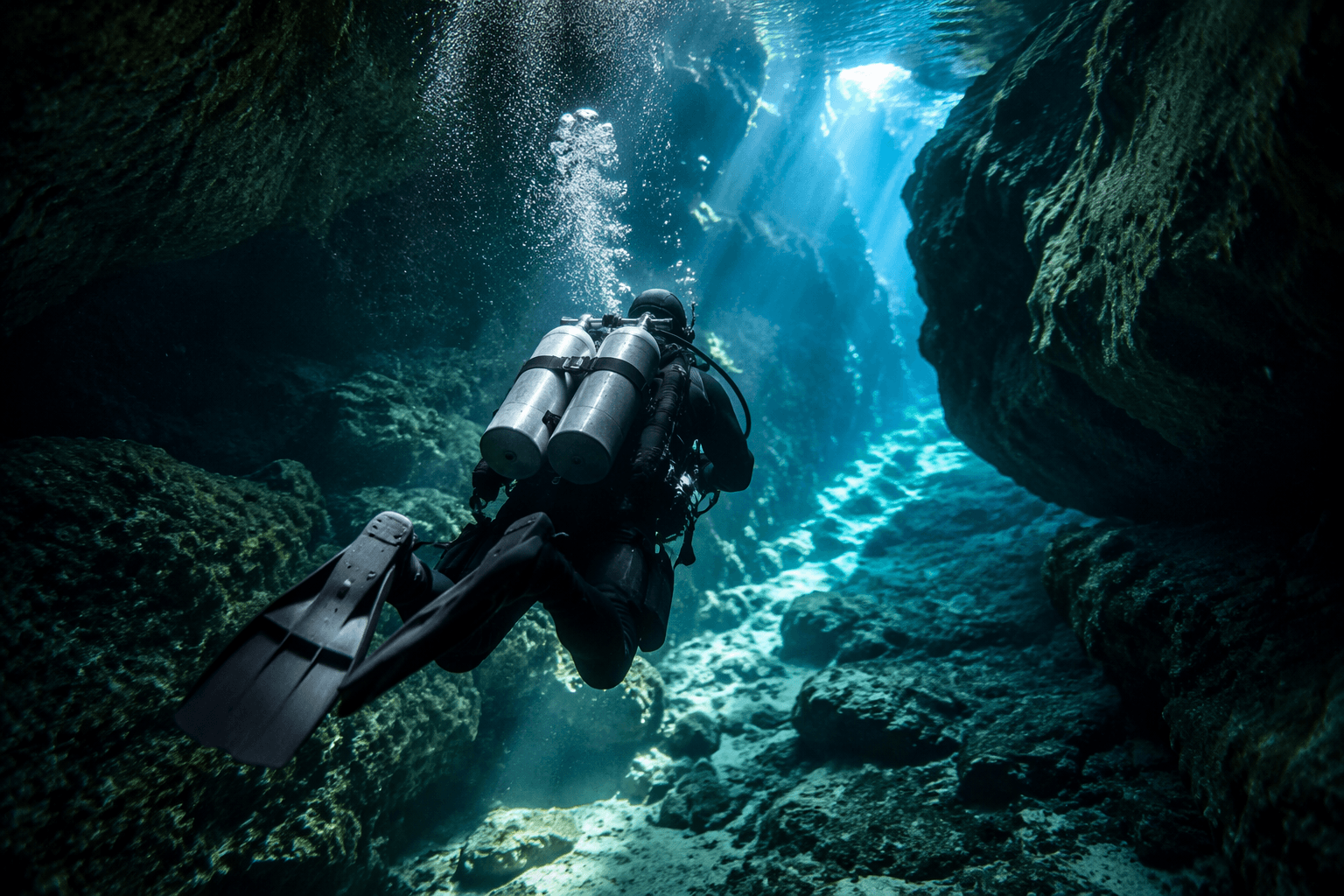
The Aqua-Lung set the template for what most recreational divers still recognize as a basic scuba rig. You carry your gas, breathe from a regulator, and move without being tied to the surface by a hose or helmet line. That is the core reason the gear feels so different from older diving systems, and it is why modern dive procedures emphasize self-contained planning, air management, and streamlined equipment.
EBSCO’s research on earlier diving techniques makes the contrast plain: heavy suits and tethered helmets limited both depth and duration. The Aqua-Lung did not erase the need for training or caution, but it removed a major structural barrier. Once breathing was tied to a lightweight, responsive regulator system, the dive became something an ordinary person could realistically learn, repeat, and refine.
Cousteau turned the invention into a public idea
Cousteau did more than help invent the Aqua-Lung. He also helped the wider world imagine what underwater life could look like. History.com notes that The Silent World was published on February 3, 1953, and the 1956 film adaptation, co-directed by Jacques-Yves Cousteau and Louis Malle, pushed that vision even farther into the mainstream.
That mattered because scuba was never only a technical breakthrough. Cousteau’s work helped turn the underwater world from a hidden, specialized space into something people wanted to see, study, and protect. Once the public could picture the ocean as a place worth exploring, the gear stopped looking like a lab contraption and started looking like the doorway to a new kind of travel.
The long road to breathing underwater
The Aqua-Lung also sits inside a much older dream. Lemelson-MIT points out that people have imagined breathing underwater for centuries, with ancient references going back to Aristotle. That history matters because it shows how stubborn the problem was: inventors had been chasing this for generations, and most solutions still came with serious limits.
Cousteau and Gagnan did not invent the desire. They solved the part that made the dream usable. By making a compact, demand-fed breathing system work in the real world, they turned underwater breathing from a curiosity into the foundation of modern scuba.
That is why the Aqua-Lung still belongs at the center of the story. It solved the exact problem that kept diving awkward, shallow, and dependent on the surface, and once that problem was solved, everything else in scuba had room to grow.
This article was produced by Prism’s automated news system from verified source data, official records, and press releases, then run through automated quality and moderation checks before publishing. The system is built and supervised by the people who set the standards it runs under. Read our full AI policy.
Did this article answer your question?