How to customize Labubu safely with paints, primers and tools
The safest Labubu customs start with prep, not paint. Get the primer wrong and you can ruin the finish, the value, and the resale story.

Labubu’s pointed ears, serrated teeth, and slightly eerie face make it look built for a custom job, but the figure only rewards careful hands. If you want the repaint to stick, the real work starts before the first brushstroke: clean the vinyl or ABS properly, choose the right primer, and decide whether you are making art for your own shelf or a modification that could damage collectibility.
Know the canvas before you touch it
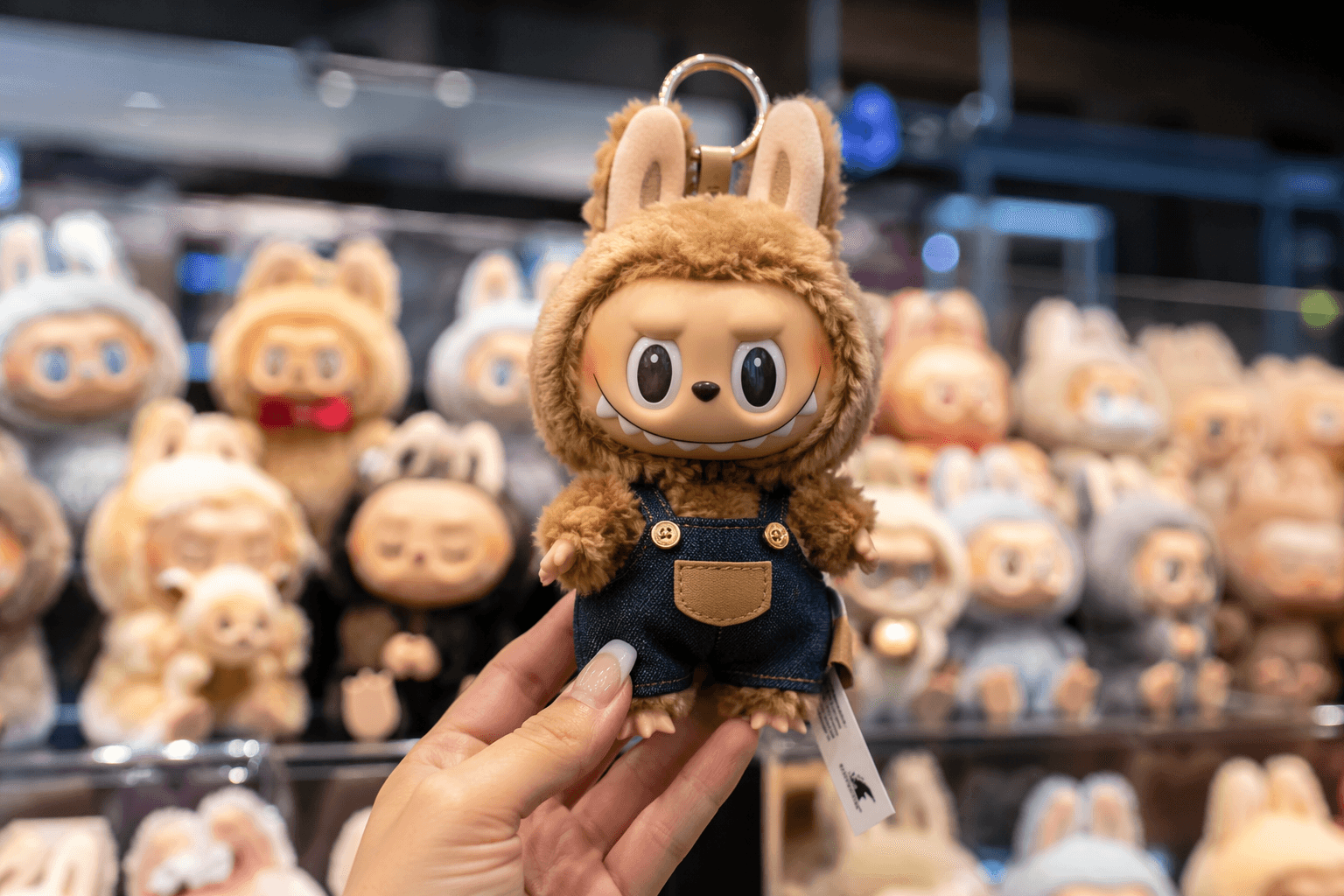
POP MART places Labubu inside Kasing Lung’s 2015 picture-book world, a fairy tale universe inspired by Nordic mythology, and describes the character as a small monster with high, pointed ears and serrated teeth. That profile is exactly why customizers keep coming back to it. The big eyes, sharp mouth, and oddball expression give you clear visual landmarks to accent, soften, or push in a new direction.
The catch is the material. Labubu figures are usually made from PVC or ABS plastic, and those surfaces are smooth and non-porous. In plain terms, paint does not naturally want to grip them, which is why a rushed repaint tends to chip, bead up, or look greasy instead of clean.
Prep is the part that saves the figure
The most useful habit in this hobby is also the least glamorous: prepare the surface like the finish depends on it, because it does. A plastic-friendly base coat is not optional if you want acrylic paints to sit evenly and cure cleanly. Skip that step, and you are much more likely to end up with paint that scratches off the first time the figure gets handled.
A related plastic-painting guide makes an important distinction that matters here: hard plastics and soft or flexible plastics often need different primer strategies, and soft PVC or vinyl does best with flexible primers. That is the line to remember when you are working on Labubu, especially if the part you are painting has any give to it. A rigid primer on a flexible surface is a recipe for cracking later.
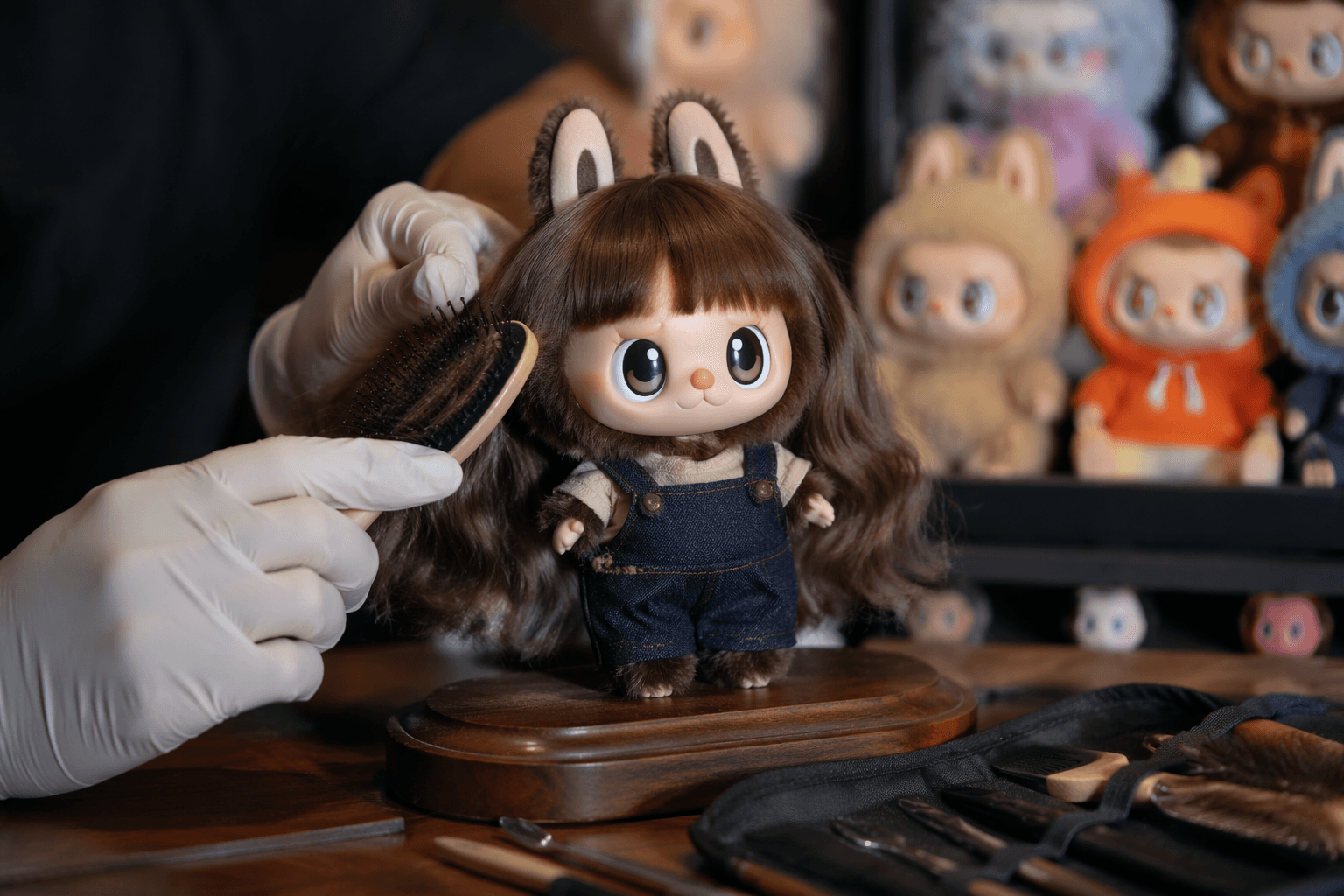
Before color goes on, clean the piece thoroughly, let it dry fully, and use the primer as the bridge between the toy’s factory finish and your custom layer. Fine brushes help once you are in the detail stage, but they cannot fix a weak foundation. The sharpest custom jobs are usually the boring ones underneath.
Beginner-safe changes are the ones that stay shallow
If this is your first Labubu custom, stay with low-risk moves that do not permanently alter the sculpt. Think paint accents, color corrections, small accessory changes, and surface details that enhance the original face instead of replacing it. Acrylic paints are the safest starting point because they are standard in hobby work and play well with controlled layering.
A beginner-safe approach usually looks like this:
- Clean the figure and let it dry completely.
- Apply a plastic-friendly primer, matched to the plastic type.
- Block in color with thin acrylic layers instead of one heavy coat.
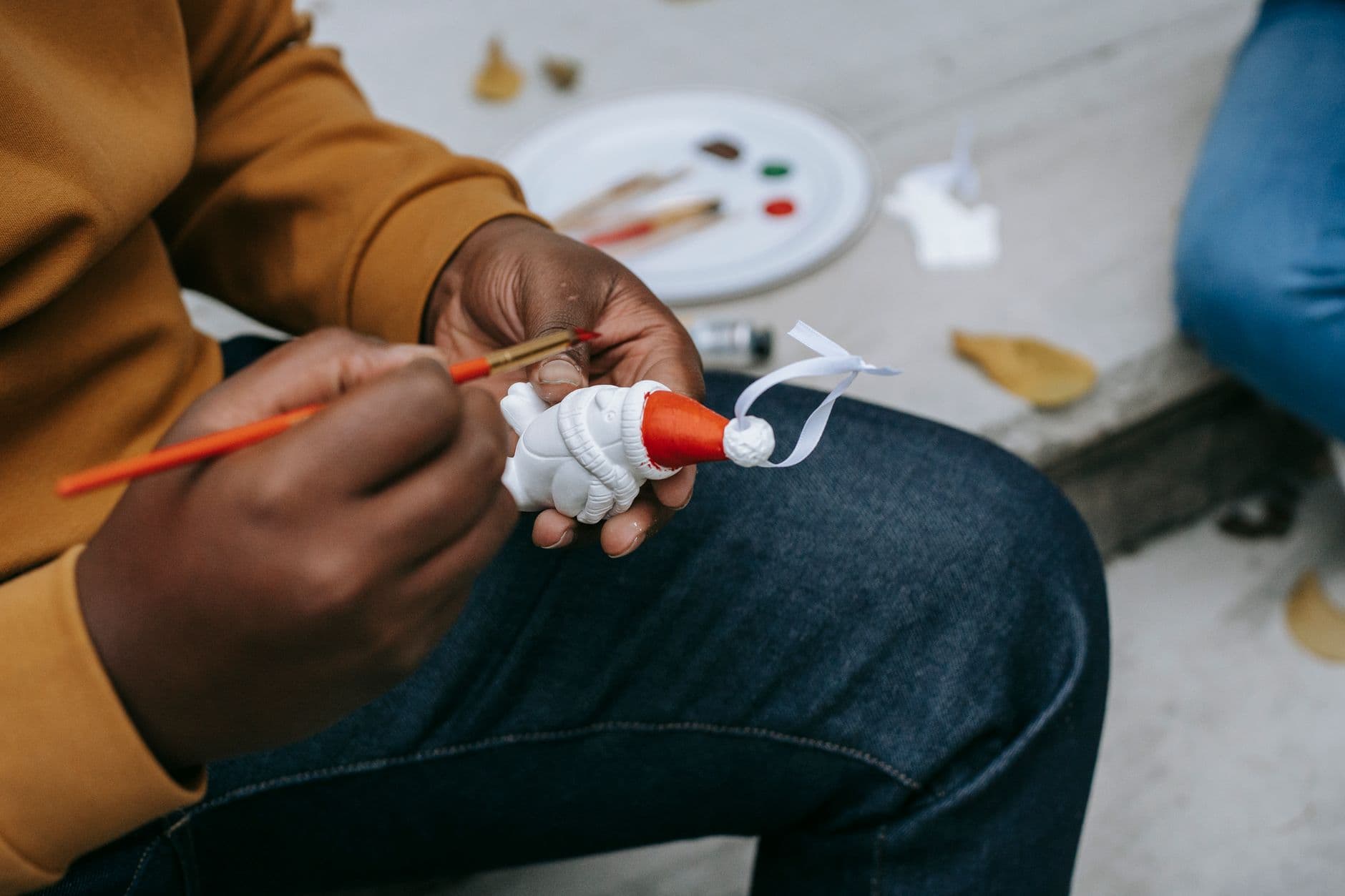
- Use fine brushes for the eyes, teeth, and tiny facial details.
- Seal the work after it cures, so the finish is less vulnerable to chips and wear.
The mistake that ruins more customs than anything else is overloading the figure with paint. On a Labubu, too much paint can bury the serration in the teeth, round off the expression, and make the face look soft instead of crisp. That is especially painful on a figure whose appeal comes from those exact lines.
Advanced sculpting is where the risk jumps
Once you move from repainting into sculpting or resculpting, you are in a different category of work. Tools that change facial details, surface texture, or accessories can make the figure feel truly unique, but they also push you away from reversible customization. The more you reshape the head, mouth, or surface language, the less the piece resembles a standard collectible and the more it becomes a permanent art object.
That is where you need to think like a collector, not just an artist. If the figure is rare, limited, or still important to you as a factory-original piece, heavy modification can hurt both collectibility and resale. Once the original finish and sculpt details are gone, you cannot simply put them back.
The safest rule is simple: if you still care about factory condition, keep the changes modest. If you want to go further, make peace with the fact that you are trading future resale value for originality.
The legal line is not fuzzy if you keep it personal
Personal customization is generally accepted in the hobby. The problem starts when the project moves from your shelf to the market, especially if you are selling heavily altered Labubu figures without a license. That is where the work can run into intellectual-property trouble.
The World Intellectual Property Organization is clear on the basics: copyright covers artistic works, including sculpture, and trademarks give brand owners control over how branding is used. In other words, Labubu is not just a cute face with ears. It sits inside a protected character universe, and that matters the moment the custom becomes commercial.
The scale of the brand explains why this is worth taking seriously. POP MART’s 2024 annual report said THE MONSTERS, MOLLY, SKULLPANDA, and CRYBABY each passed RMB 1 billion in revenue for the first time. Later reporting on POP MART’s 2025 results said Labubu and THE MONSTERS generated RMB 14.16 billion in sales, about 38% of total revenue. At that size, a casual side project can turn into a rights question fast if you start selling customs as if they were your own product line.
If you are making one piece for yourself, the line is straightforward: personalize your own figure, do not build a commercial business on someone else’s protected character without permission. If you want to sell, the safest route is licensed work or original art that does not lean on the Labubu name, marks, or character identity.
Finish it like you plan to keep it
Once the paint is dry, the job is not over. A custom Labubu still needs protection from chips, UV damage, and everyday wear if you want the finish to stay stable. A good sealer helps, but storage matters too: keep the figure out of harsh sunlight, handle it less, and treat the surface like something you want to preserve, not just show off.
That is the real divide in Labubu customization. The tempting part is the face and the colors, because those are what you see first. The part that decides whether the custom survives is everything you do before and after the brush touches vinyl, and that is what separates a clever repaint from a damaged collectible.
This article was produced by Prism’s automated news system from verified source data, official records, and press releases, then run through automated quality and moderation checks before publishing. The system is built and supervised by the people who set the standards it runs under. Read our full AI policy.
Did this article answer your question?