India-UK trade deal to cut leather export duties to zero in 2026
Zero-duty access to the UK could make Indian leather and footwear cheaper by July 15, 2026, tightening price pressure from saddlery to finished shoes.
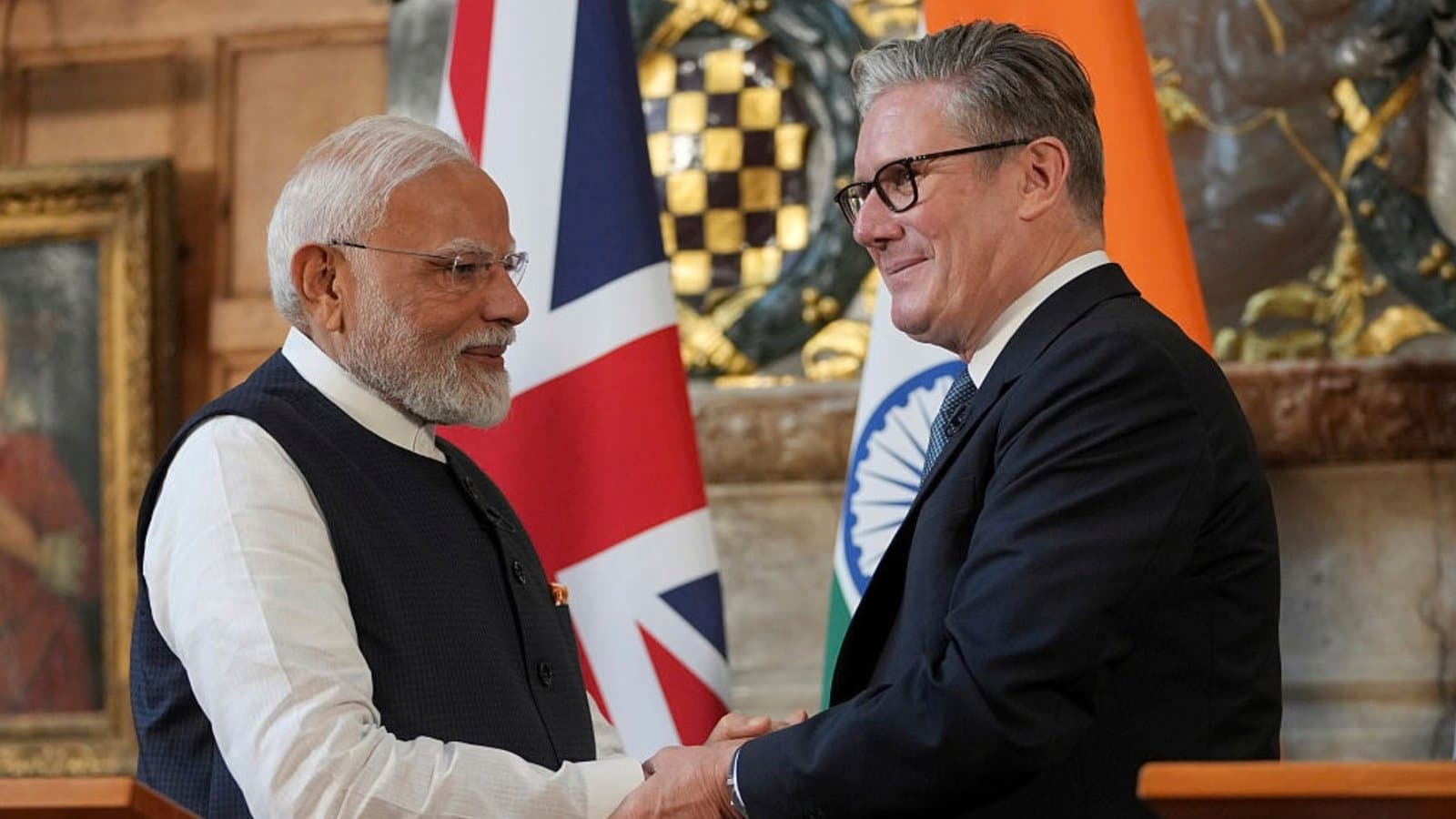
India’s leather exporters are about to get a cleaner shot at the UK market, and that matters far beyond factory gates. When the India-UK trade deal takes effect on July 15, 2026, duties that had reached as high as 16 percent on leather and footwear are set to fall to zero, a shift that can move prices on finished goods before it changes anything on the hobby bench.
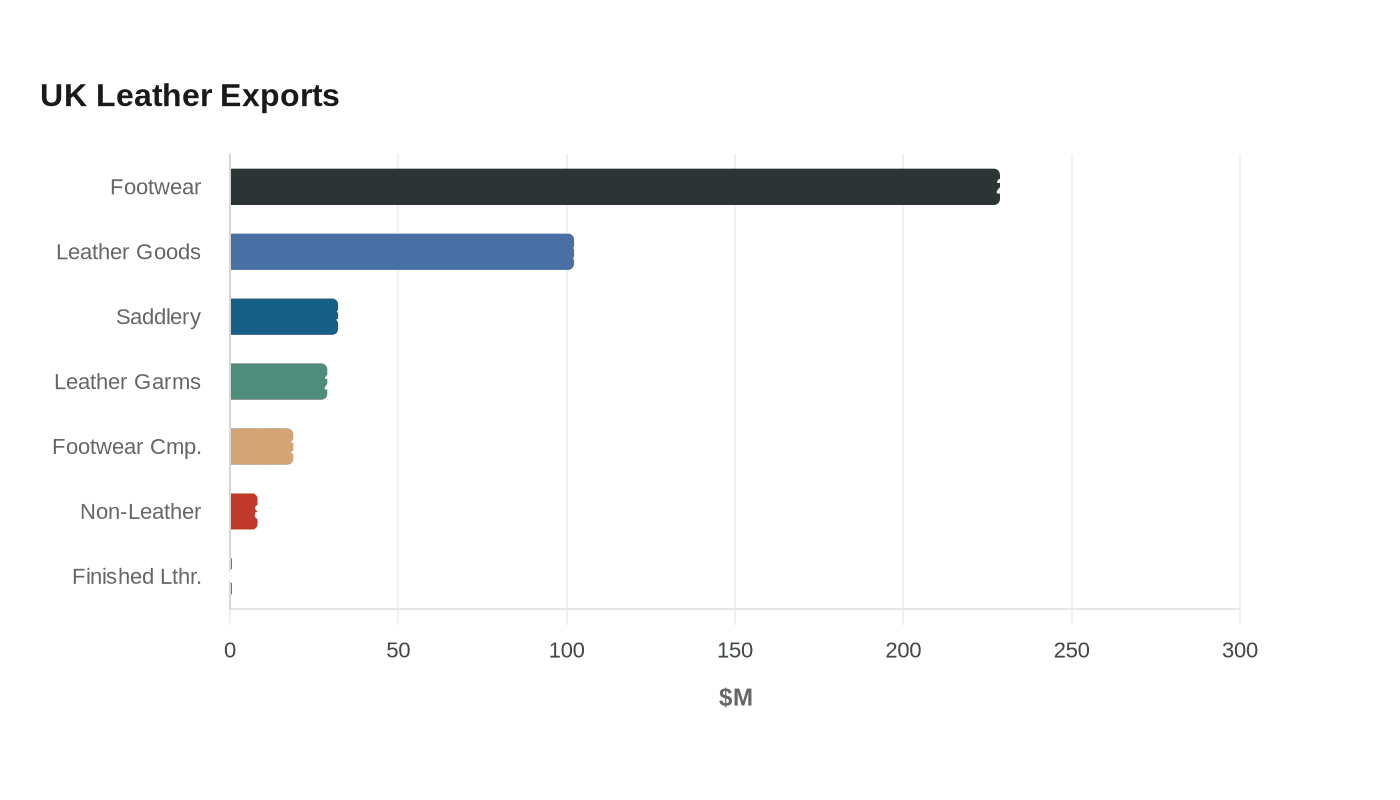
The UK is already a meaningful outlet for Indian leather. Indian exports of leather, leather products and footwear to the UK came to about $419.6 million in FY2025-26, and the basket is led by leather footwear at $228.7 million. Leather goods followed at $102.2 million, then saddlery and harness at $32.1 million, leather garments at $28.9 million, footwear components at $18.8 million, non-leather footwear at $8.2 million and finished leather at roughly $593,947.
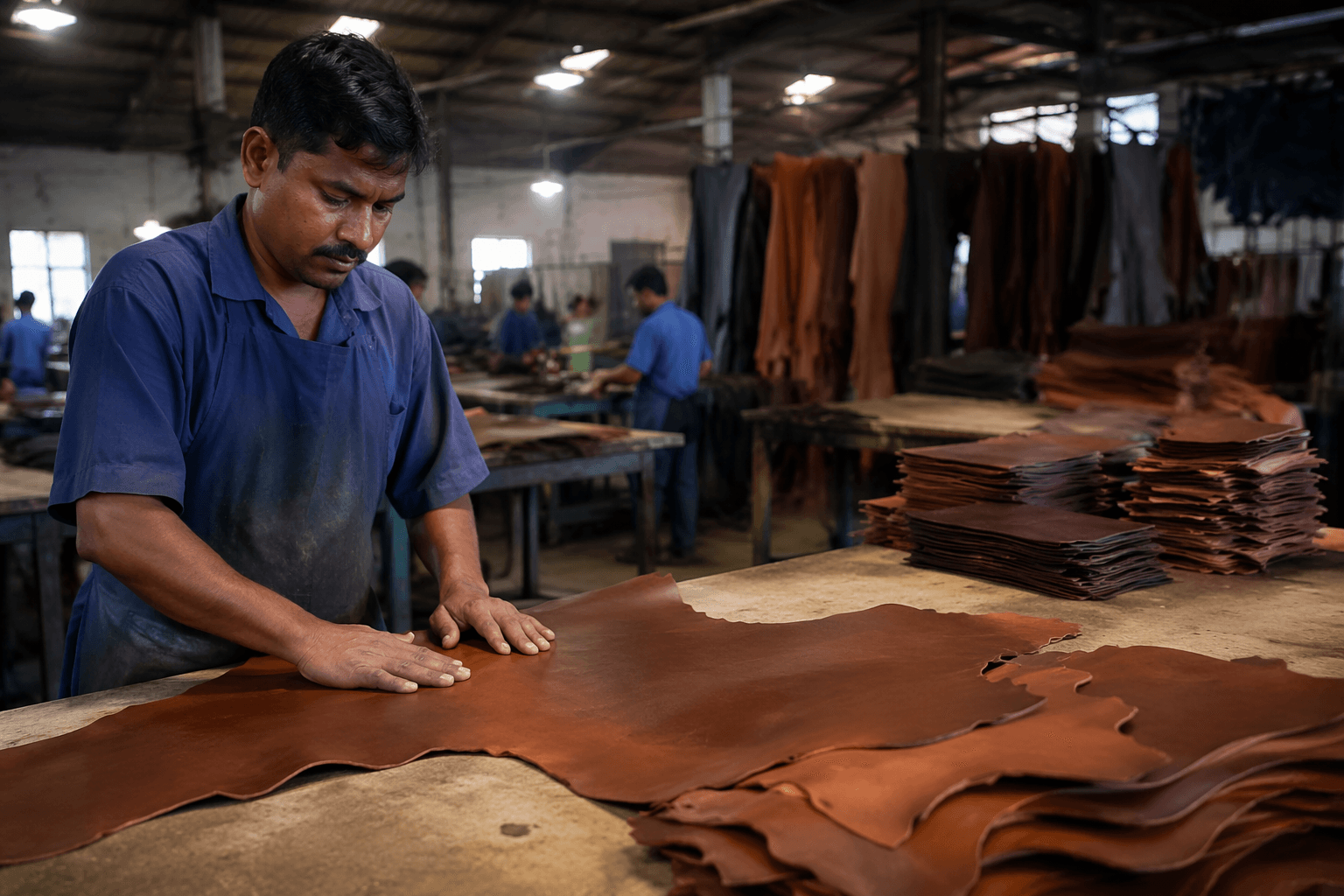
For small makers, the immediate effect is not a discount on an awl, a splitter or a bag pattern. It is a tariff reset that should improve margins for Indian exporters and sharpen competition on finished products landing in the UK. The deal gives duty-free access to 99 percent of India’s exports to the UK, and the government says it opens roughly $8.5 billion of leather and footwear export opportunity for Indian sellers. That kind of access tends to show up first in wholesale pricing and shelf competition, not in a sudden windfall for a one-person leather shop.
The broader agreement was signed in London on July 24, 2025, after 14 rounds of talks, and it runs across 30 chapters covering goods, services, digital trade, telecommunications, financial services, intellectual property, government procurement, innovation, small and medium enterprises, sustainability and transparency. UK material says the treaty text was laid before Parliament in January 2026 while the agreement was still not in force. The deal also sits inside a bigger trade relationship that Indian government material puts at about $56 billion a year, with both sides aiming to double it by 2030.
Industry groups have treated the pact as a serious boost for labor-intensive sectors. The Federation of Indian Export Organisations said it should benefit textiles, leather, gems and jewellery, pharmaceuticals, marine and engineering goods. The Confederation of British Industry also backed the deal, calling it a long-term platform for growth. Indian officials have gone further still, with Piyush Goyal saying leather and footwear exports to the UK could rise from $494 million in 2024 to $1 billion within three years.
For leathercraft, that is the real read: this deal is less about a hobbyist getting cheaper supplies overnight and more about Indian finished goods getting a stronger price position in the UK market. That is the pressure point to watch, because zero duty on exports changes who can compete on the same shelf.
This article was produced by Prism’s automated news system from verified source data, official records, and press releases, then run through automated quality and moderation checks before publishing. The system is built and supervised by the people who set the standards it runs under. Read our full AI policy.
Did this article answer your question?