Leathertrace Bangladesh completes, tracks 200,000 hides for export markets
Leathertrace Bangladesh tracked almost 200,000 cattle hides and 3 million square feet of leather, then tied QR-code traceability to export buyers in Europe and North America.
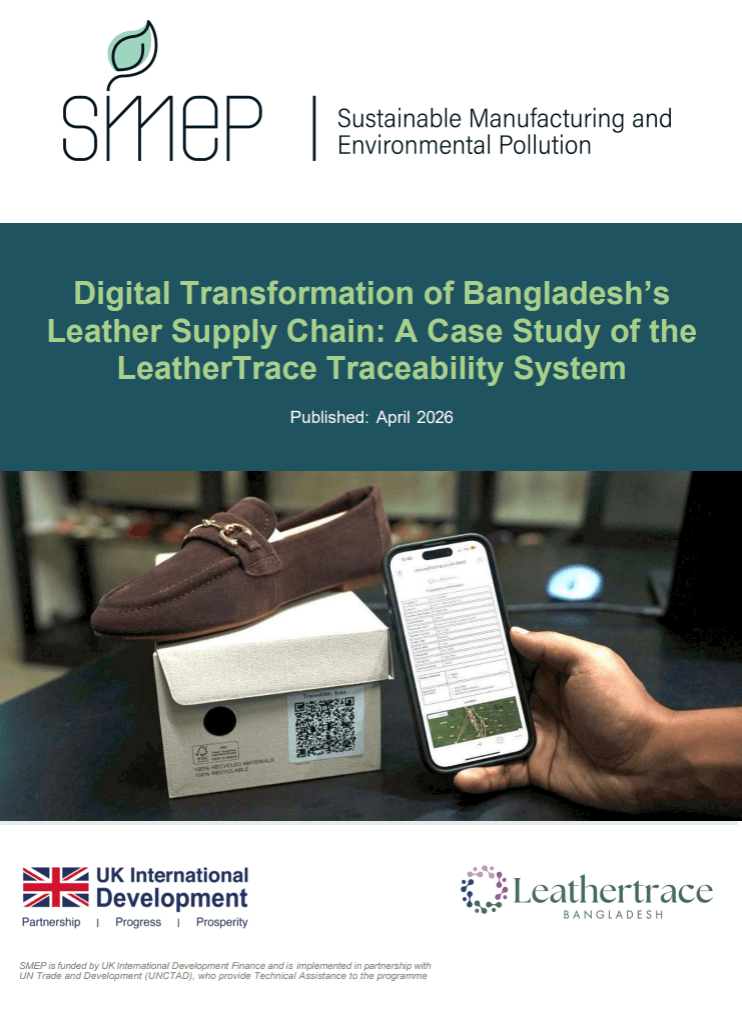
A London handoff on June 30 closed Leathertrace Bangladesh, a two-year pilot that traced almost 200,000 cattle hides and 3 million square feet of finished leather through a QR-based system. Hosted by Mulberry, the finish brought 11 Bangladesh leather manufacturers, three finished-leather product makers and more than 150 hide and skin suppliers into one traceable chain.
The project used a mobile and web-based e-traceability tool to follow hides from sourcing to finished goods, while also tracking environmental footprint data. It was funded through the UK Foreign, Commonwealth and Development Office’s SMEP programme, with technical assistance from United Nations Trade and Development.
The leather went into shoes and leathergoods for customers in Europe and North America. Bangladesh’s leather sector is the country’s second-largest source of foreign exchange, but it has taken a hit from environmental concerns tied to production. Leathertrace lined up with Leather Working Group and Sustainable Leather Foundation standards.

A policy brief tied to the project calls digital traceability a competitiveness tool in global leather trade, especially as due-diligence and deforestation-related rules reshape buying decisions. Bangladeshi exporters will increasingly need verifiable geolocation and chain-of-custody information to keep access to high-value markets such as the European Union. Even after the European Commission’s May 2026 simplification package proposed excluding hides, skins and leather from the EU Deforestation Regulation, the compliance conversation around leather has only grown louder.
Deborah Taylor, founder of the Sustainable Leather Foundation, said “traceability is where the industry has to start” and the system developed through Leathertrace Bangladesh can scale. Bangladesh’s government is working on a plan for the industry and wants the project’s results folded into that work.
This article was produced by Prism’s automated news system from verified source data, official records, and press releases, then run through automated quality and moderation checks before publishing. The system is built and supervised by the people who set the standards it runs under. Read our full AI policy.
Did this article answer your question?