London startup turns brewery waste into plastic-free leather alternative
Arda Biomaterials is turning brewery draff into New Grain, a plastic-free sheet aimed at leatherworkers, luxury brands and car interiors. The London startup says it can cut leather’s footprint by 97%.

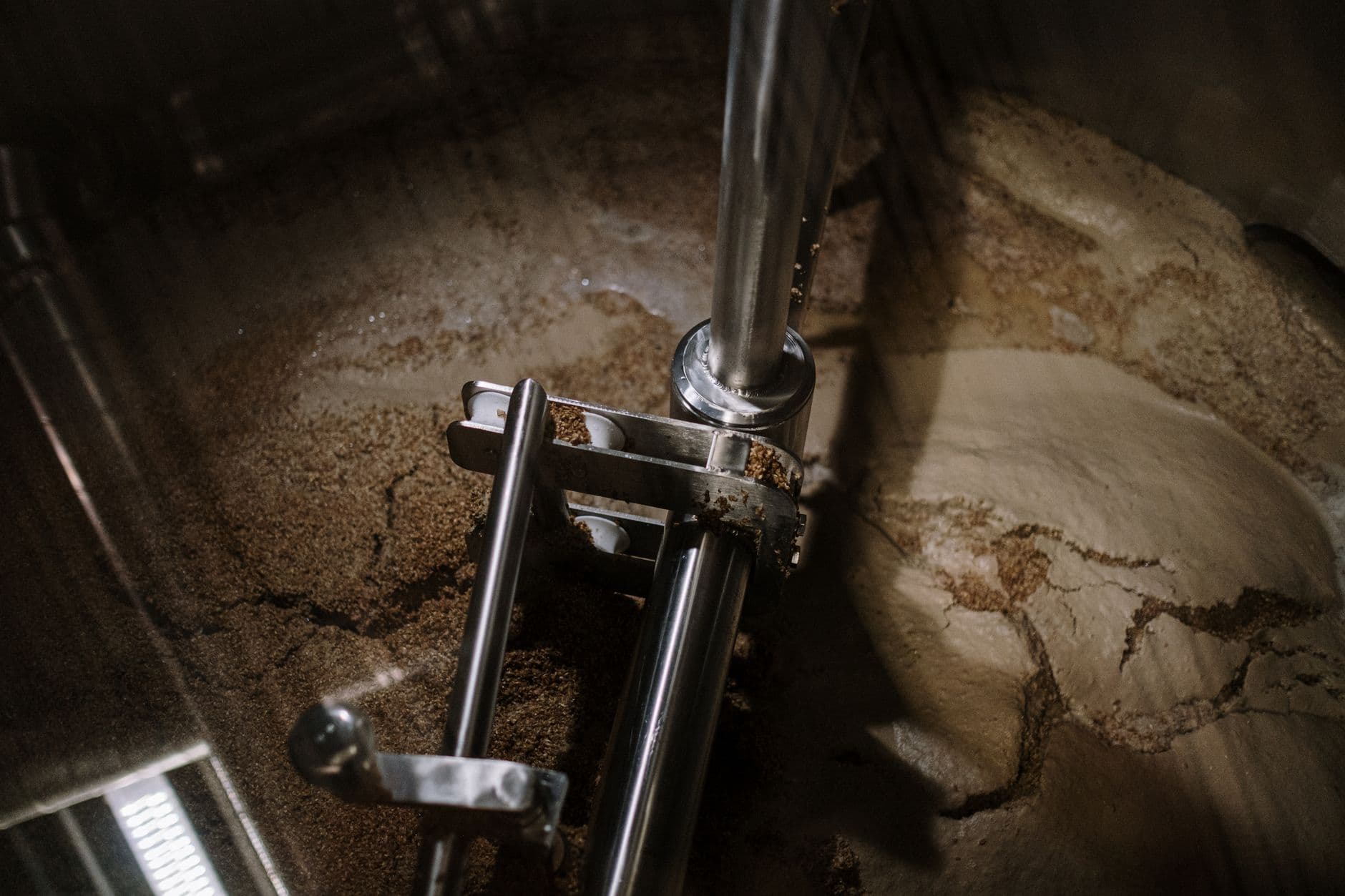
Arda Biomaterials has taken one of brewing’s messiest leftovers and turned it into a leather alternative that is meant to interest more than sustainability buyers. The London startup’s material, New Grain, is made from brewer’s spent grain, also called draff, and Arda says the result is a soft, durable sheet that stays entirely plastic-free.
For leathercrafters, the pitch is not novelty. It is whether a sheet born from beer and whisky waste can behave enough like hide to earn a place on the bench. Arda is positioning New Grain against both animal leather and synthetic leather, the kind often made with petroleum-based polyurethane, and it has already shown prototypes including bags and cardholders. That puts the material past the concept stage, but still in the territory where cutting behavior, edge finish, stitch holding, aging and repairability will decide whether makers take it seriously.

Arda was founded in 2022 by Brett Cotten and Edward “TJ” Mitchell, who were inspired by the waste stream coming out of breweries along London’s Bermondsey Beer Mile. The company’s basic idea is simple: brewer’s spent grain is abundant, low-value and usually diverted into animal feed, so altering its protein structures to behave more like animal proteins could create a new class of material without the plastic content that turns many vegan leathers into a compromise.
The startup has been moving quickly. In April 2025, Arda announced a $5.25 million seed round led by Germany’s Oyster Bay Venture Capital, with support from Clean Growth Fund and new backers Kadmos Capital and Green Angel Ventures. Arda has also said it plans to move production from batch runs to a continuous roll-to-roll process as it shifts into a new facility on the Bermondsey Beer Mile that will be about five times larger than its current space.

The company is also broadening the feedstock beyond beer. Arda said it has been working with whisky distillery spent grain through Diageo’s Fusion Allterra programme in 2026, extending the same circular-economy logic into another major drinks sector. On the carbon side, one 2026 report said Arda claims New Grain carries about 3% of the footprint of conventional leather, or roughly a 97% reduction.
That is the number that will grab attention, but the craft test is closer to the knife mat than the carbon calculator. New Grain has to prove it can cut cleanly, finish edges without fuss, take stitches without tearing out and survive the sort of use that turns a wallet or strap into a long-term material judgment. Arda’s brewery-waste story is compelling. The real question for makers is whether New Grain can move from a promising sheet to a usable material that belongs in the workshop.
This article was produced by Prism’s automated news system from verified source data, official records, and press releases, then run through automated quality and moderation checks before publishing. The system is built and supervised by the people who set the standards it runs under. Read our full AI policy.
Did this article answer your question?