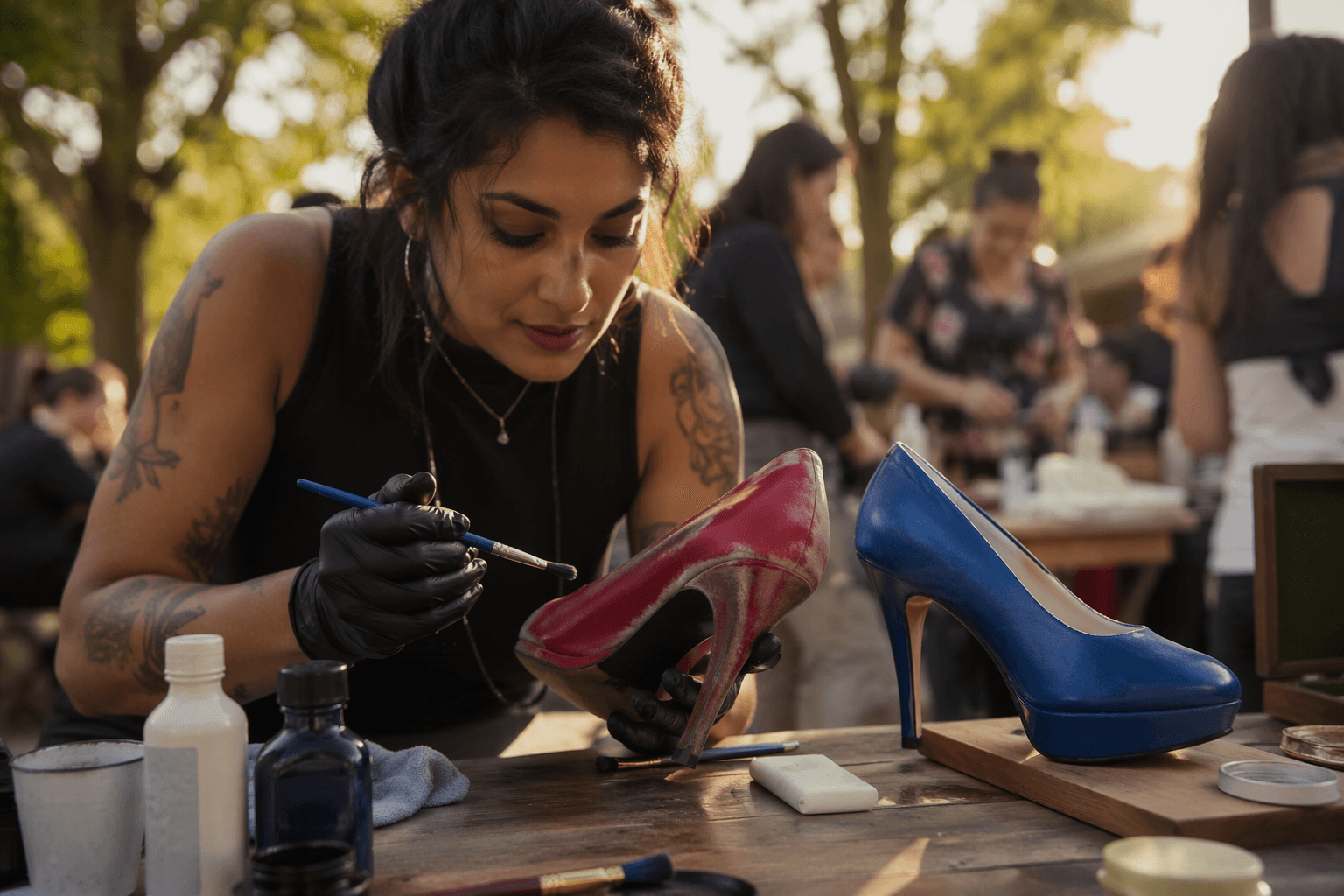
Nigeria’s new abattoir aims to turn hides into leather products
Jos's new 500-cattle abattoir is being sold as a leather input machine, with officials saying it could support 7,000 to 10,000 jobs.

In Jos, the federal government is trying to turn slaughter waste into something more valuable than meat alone. The new abattoir at the Haipang Special Agro-Processing Zone is being pitched as an integrated livestock processing center where hides, skins, bones, blood and fats are turned into industrial inputs for leather, fertilizer, feed, biogas and pharmaceuticals.
That is the real story for leathercraft readers: this is not just a cleaner place to kill cattle, it is an attempt to build a more reliable raw-material pipeline. The facility is designed to process up to 500 bulls a day, and Minister of Livestock Development Idi Mukhtar Maiha said it could support between 7,000 and 10,000 direct and indirect jobs across livestock production, veterinary services, transport, cold-chain logistics, meat processing, leather production, waste management and marketing.
Plateau State was chosen for practical reasons that matter in this business. Officials pointed to the state’s agricultural base, active livestock trade, favorable climate and the presence of the National Veterinary Research Institute in Vom. NVRI, established in 1924, is Nigeria’s premier veterinary research institute, and official profiles say it can produce up to 120 million vaccine doses annually. That kind of research and vaccine backbone is exactly the sort of support a modern livestock and hides-and-skins cluster needs.
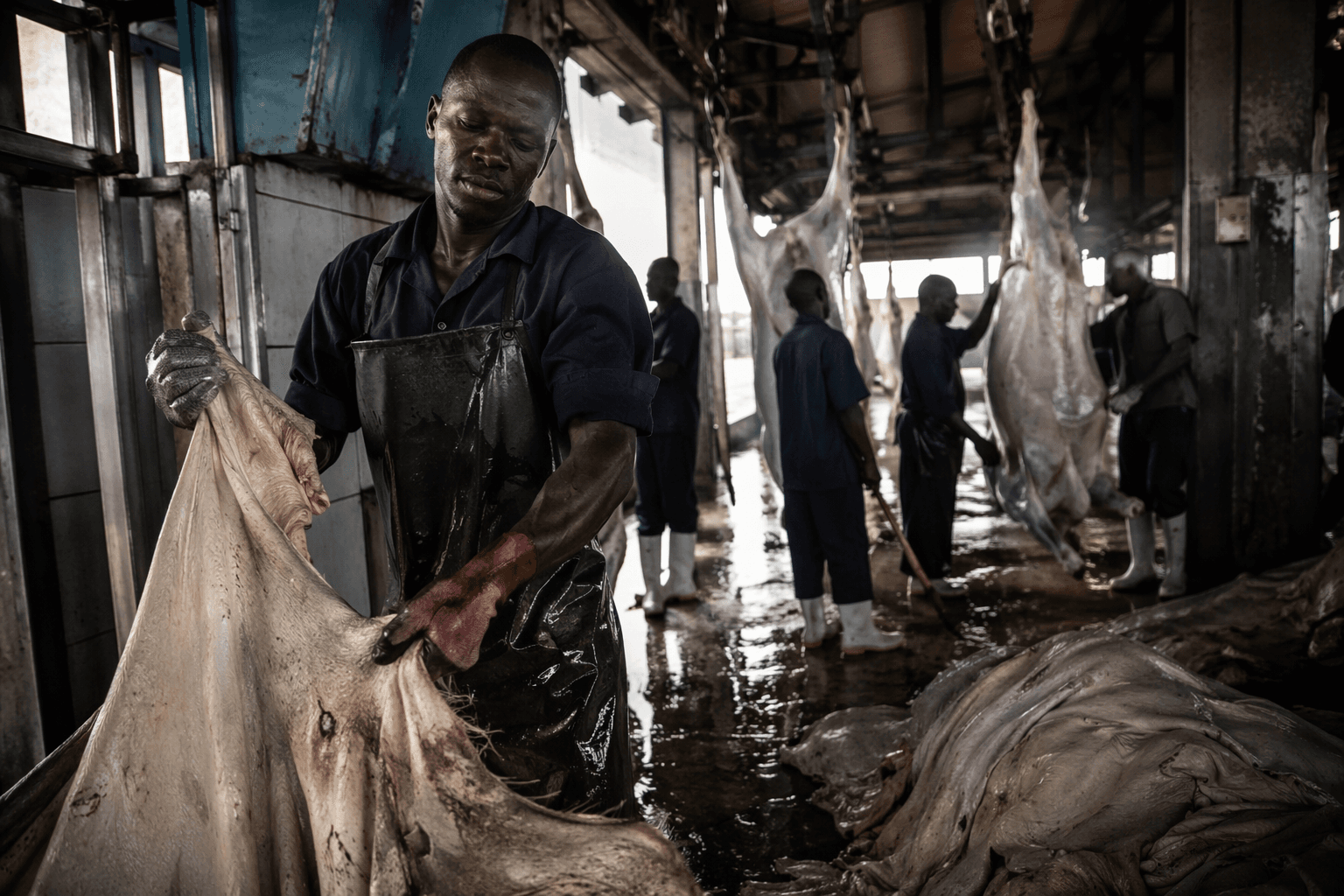
The question for makers is whether that backbone reaches the bench. Nigeria’s leather sector is split between industrial exporters and a traditional artisanal trade, and the Nigerian Export Promotion Council says industrial exports account for 90% of exports. Industry reporting puts the leather value chain at more than 750,000 jobs, while federal government reporting in 2025 warned that ponmo consumption threatens an industry valued at about $5 billion. If Jos can lift hide quality before it leaves the abattoir, tanneries get better stock, and leather goods makers get a more consistent base to work from.
There is also a bigger policy frame around the project. The National Livestock Growth and Advancement Strategy aims to double herd size and raise sectoral output by at least 100% by 2035, and President Bola Ahmed Tinubu unveiled a 2025 Industrial Policy Roadmap in February 2026 centered on production, competitiveness and job creation. Put together, the message is clear: livestock is being treated as industrial policy, not just agriculture.

That is why the Haipang site matters. If the abattoir delivers standardized hides and skins instead of another stream of low-value waste, it could strengthen Nigeria’s leather chain from Jos to Kano, Aba and beyond. If it does not, the value will keep drifting toward industrial export channels, and the makers who actually cut, stitch and finish leather will still be waiting for better material.
This article was produced by Prism’s automated news system from verified source data, official records, and press releases, then run through automated quality and moderation checks before publishing. The system is built and supervised by the people who set the standards it runs under. Read our full AI policy.
Did this article answer your question?