Pakistan opens first integrated tannery treatment plant in Sialkot
Pakistan’s first fully integrated tannery treatment plant pairs wastewater control with export survival, from GSP+ access to Leather Working Group certification.
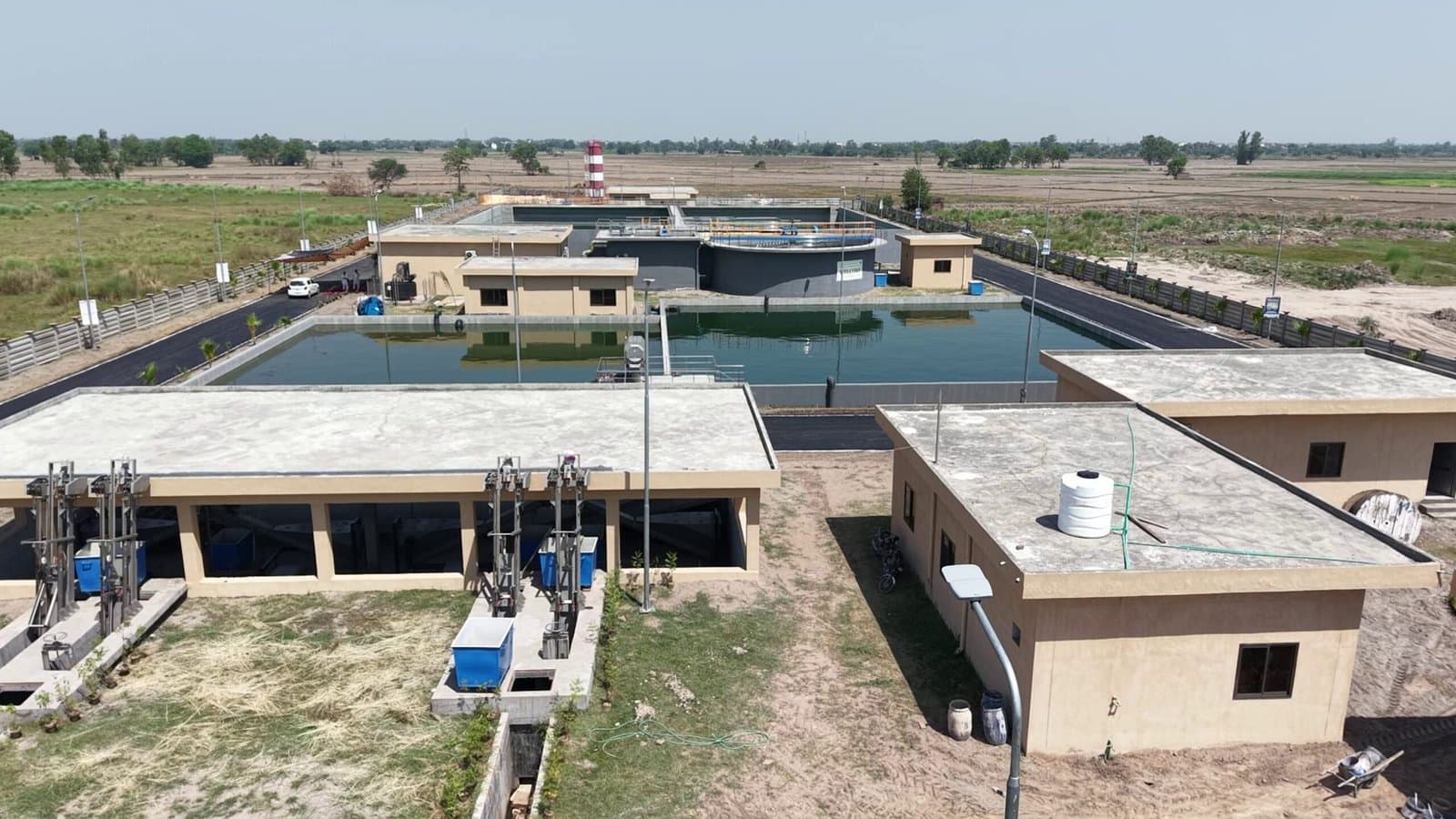
Sialkot’s tannery zone just crossed a line that matters far beyond wastewater. Pakistan inaugurated its first fully integrated Common Effluent Treatment Plant there on June 10, tying leather production to the infrastructure that keeps export doors open and makes cleaner supply more realistic for the next round of hides and finished goods.
The plant was backed jointly by the Global Environment Facility, UNIDO, Pakistan’s Export Development Fund and the Punjab Environment Protection Department. That mix tells the whole story: this was not treated as a side project for dirty water, but as core industrial infrastructure for a sector that has to meet environmental rules if it wants to keep selling into higher-value markets.
At the inauguration on June 6, Defence Minister Khawaja Muhammad Asif said environmental compliance has become essential for global trade. He argued that the new CETP would help the Sialkot leather industry solve compliance problems while protecting market access, a direct nod to the pressure points that now shape the business around Pakistan’s GSP+ status and Leather Working Group certification.

The facility itself is built as a complete treatment chain, with pretreatment, primary treatment, secondary treatment and sludge treatment built in. It is designed to meet Pakistan’s national environmental quality standards while also matching international expectations, which is exactly the sort of dual standard tanneries have had to chase if they want to stay credible in export markets.
Ahmed Zulfiqar, chief executive of the Sialkot Tannery Association, said the zone aims to relocate 250 tanneries from the city center into a dedicated industrial area. He also said the complete technological solution could lift leather exports by 18 to 23 percent in the short term and could eventually double them, a big claim, but one that fits the scale of what is being built around the plant.

This is not just a treatment tank and a stack of pumps. The project also includes segregated drainage for different effluent streams, a 21 MW grid station, progress on a chrome recovery plant and an engineered landfill site for solid waste. UNIDO launched new guidelines for assessing the leather environmental footprint alongside the project, reinforcing the message that modern tannery work is now judged by what leaves the plant as much as what comes out of it.
For leathercraft, the significance is blunt: cleaner tanneries mean a more stable supply chain, less uncertainty around compliance, and a stronger long-term case for responsibly processed leather. In Sialkot, the future of the sector is being built as much in pipes, drains and treatment basins as in the drum yard.
This article was produced by Prism’s automated news system from verified source data, official records, and press releases, then run through automated quality and moderation checks before publishing. The system is built and supervised by the people who set the standards it runs under. Read our full AI policy.
Did this article answer your question?