Primeasia unveils 2030 sustainability roadmap with net-zero targets
PrimeAsia tied its 2025 report to a 2030 roadmap, with SBTi-backed net-zero targets and traceability goals that could shape what hides makers can buy.
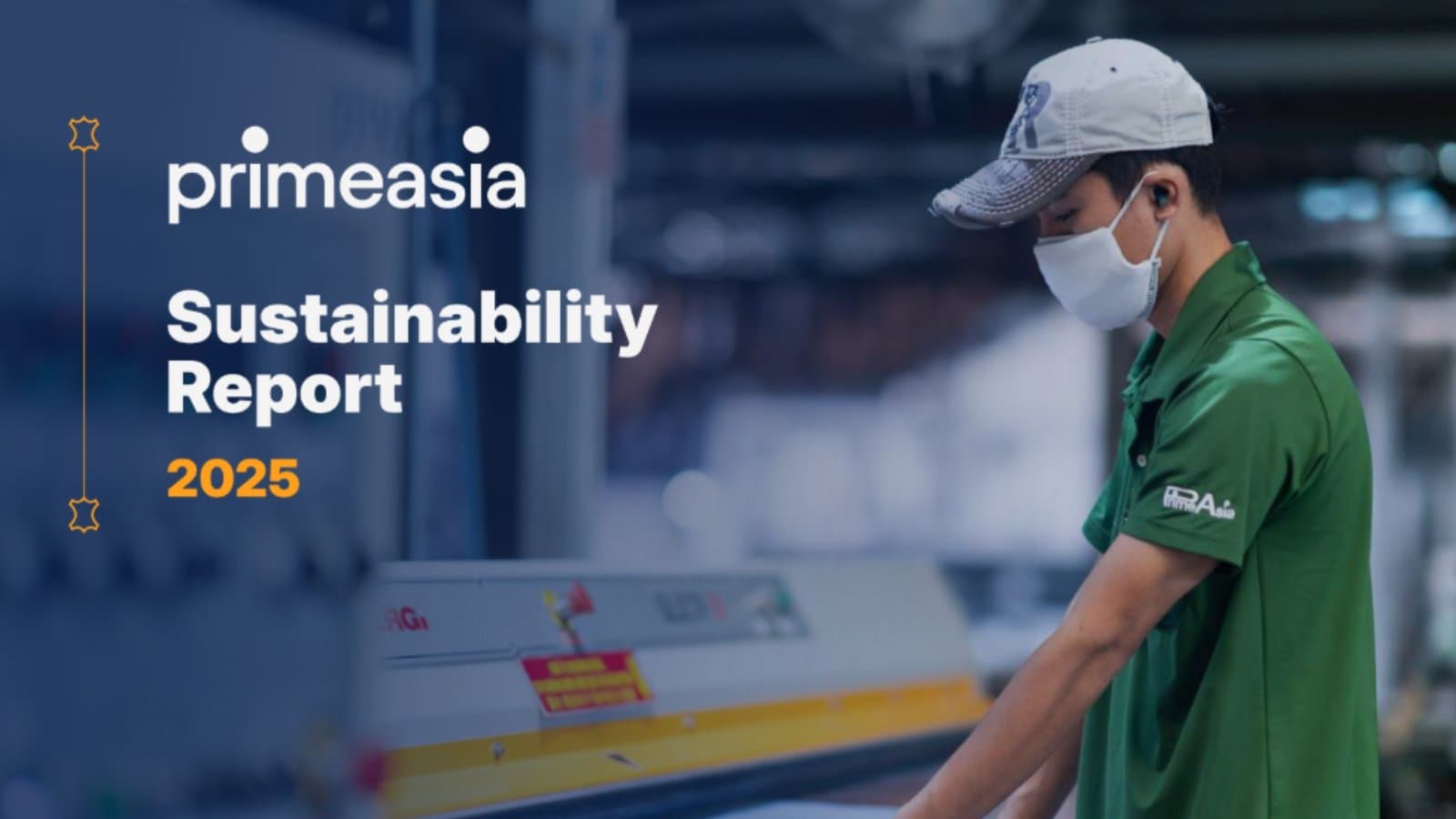
PrimeAsia used its June 26 sustainability update to pair its 2025 Sustainability Report with a five-year roadmap through 2030, and it backed that plan with new Science Based Targets initiative commitments. The company is treating sustainability less like a side note and more like an operating plan, which matters in leather because buyers now ask harder questions about where hides come from, how they are tanned, and whether the numbers behind the story hold up.
The roadmap sits on top of a bigger target set that PrimeAsia says it verified in December 2025. Its long-term pathway calls for a 90% reduction in absolute Scope 1 and 2 emissions by 2050 from a 2024 base year, plus a 45.5% cut in absolute Scope 3 FLAG emissions by 2035. The company also says it committed to no deforestation across its primary deforestation-linked commodities by December 31, 2025. For makers, that is not abstract ESG language. It is the kind of disclosure that can affect whether a tannery looks credible enough for premium brands, export programs, and customers who want cleaner paperwork behind a side of veg-tan or chrome-tan stock.

PrimeAsia’s earlier Consciously Crafted strategy gives the roadmap some backbone. Launched in 2024, it is built around four pillars, Operational Excellence, Circularity, Climate Action, and Social Impact, and the company carried it into its 2024 Sustainability Report released in July 2025. PrimeAsia said 43% of its total energy used in 2024 came from renewable sources, helped by rooftop solar work in Vietnam and a power purchase agreement for wind and solar energy in China. Its footprint spans two manufacturing sites, in Dongguan, China, and Ba Ria-Vung Tau, Vietnam, plus a logistics center in Indonesia. The company says its global monthly capacity is 12.5 million square feet of leather, while the Vietnam tannery expansion completed in March 2025 lifted that site to more than 8 million square feet a month.
The details that matter most to leathercrafters are the ones tied to consistency and trust. PrimeAsia says 11% of hides were traceable to the birth farm or group of farms, with a goal of reaching 100% by 2030. It also says it diverted 80% of waste from landfill, increased the use of ZDHC-compliant chemicals, and certified 75% of its chemicals to Level 3. Leather Working Group says PrimeAsia has two gold-rated sites and has cut freshwater use by nearly 50%. Those are the kinds of numbers that can influence whether a hide line feels worth paying for, or just sounds polished in a sales deck.
PrimeAsia is also leaning on social and resource metrics to round out the picture. The company says it completed more than 3,200 hours of community service across its sites in 2024. That does not decide how a bridle shoulder cuts under a knife, but the roadmap does show where the industry is heading: traceable hides, tighter chemical control, cleaner energy, and more visible proof. PrimeAsia is trying to make those promises look like part of the business, not a campaign layered on top of it.
This article was produced by Prism’s automated news system from verified source data, official records, and press releases, then run through automated quality and moderation checks before publishing. The system is built and supervised by the people who set the standards it runs under. Read our full AI policy.
Did this article answer your question?