Red Wing diverts 1.87 million pounds of leather waste to biochar
Red Wing said 1.87 million pounds of leather waste left its Minnesota facilities for biochar instead of landfill. For makers, the real question is whether any usable offcuts could become cheaper material, not just cleaner accounting.
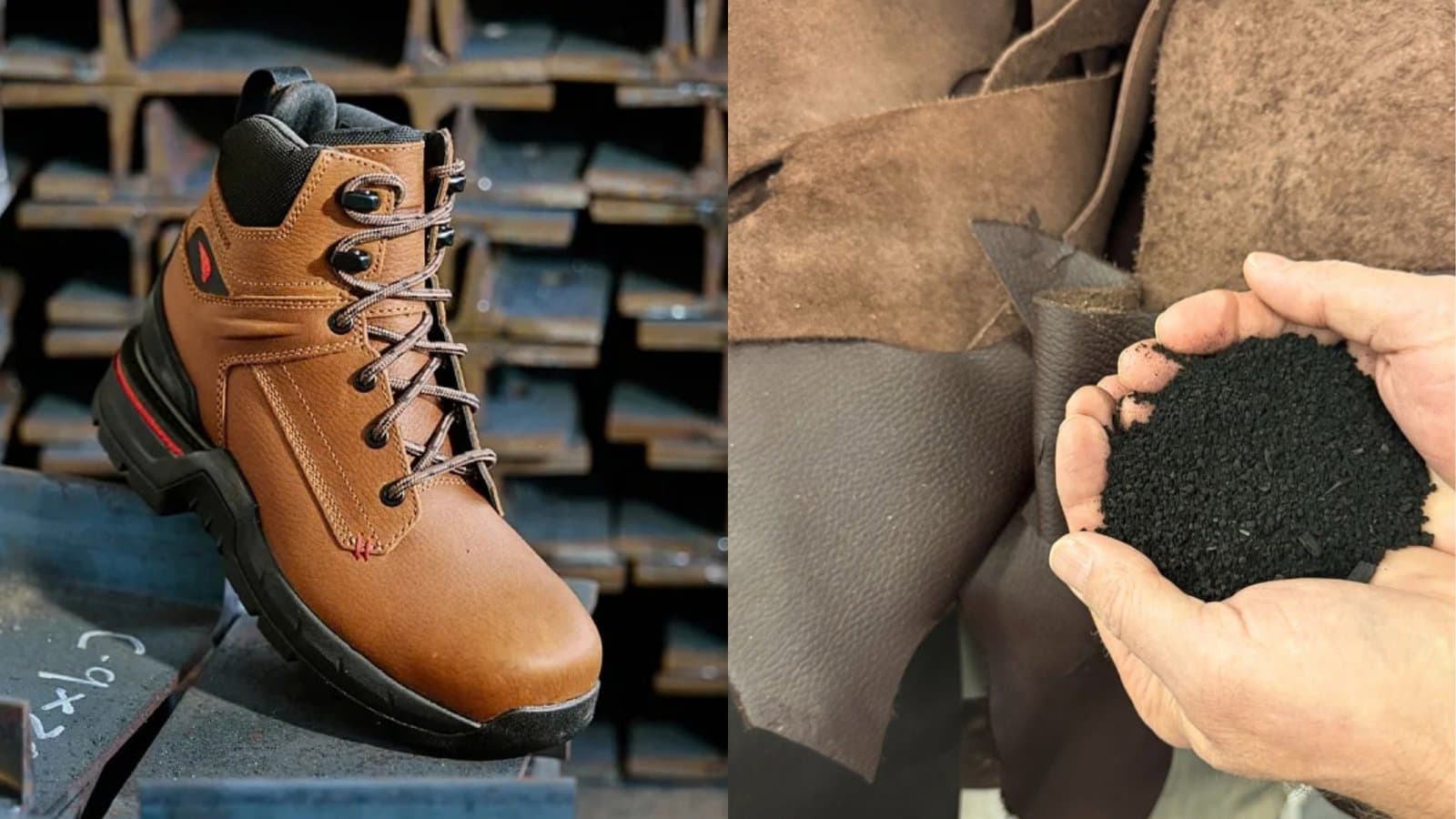
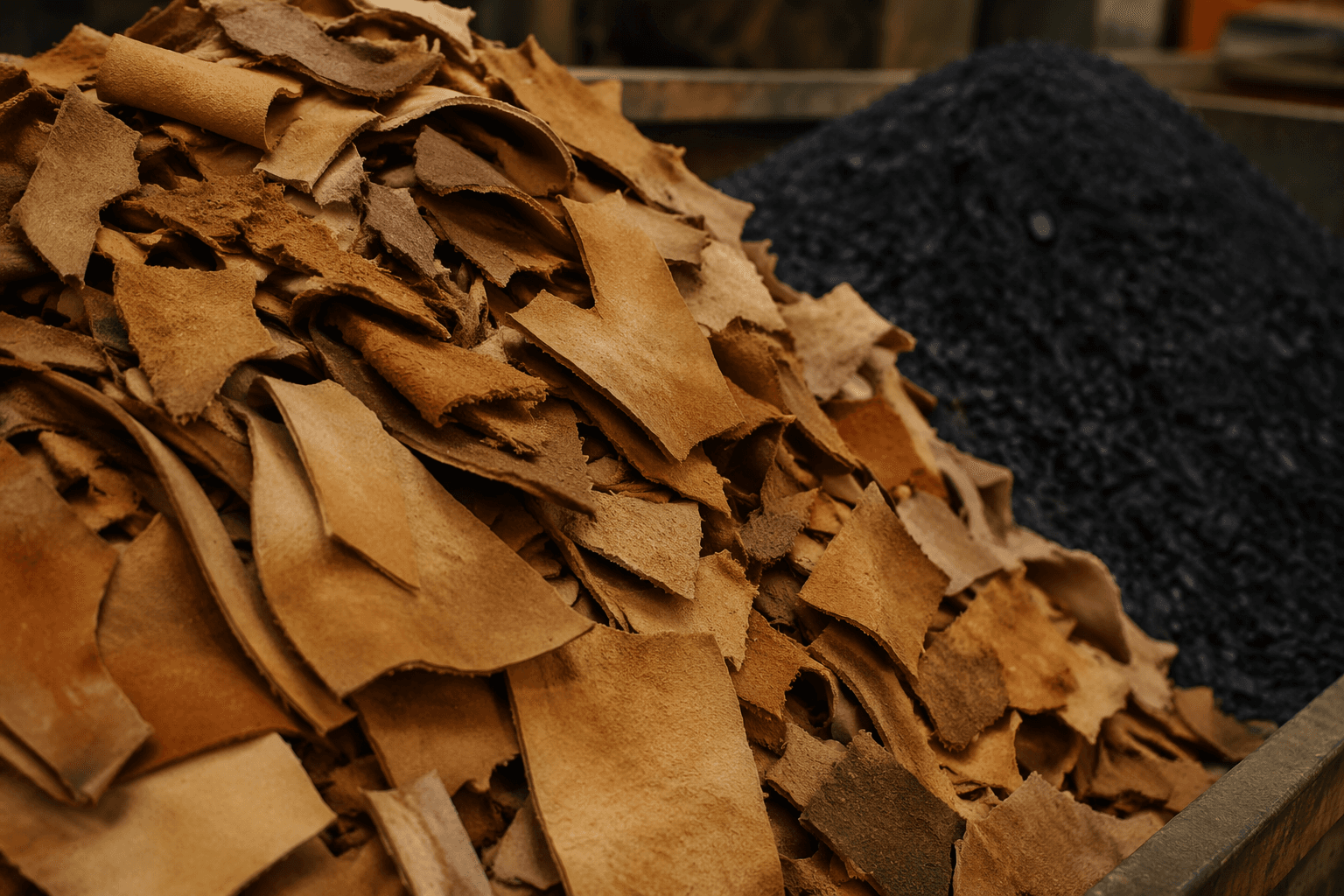
Red Wing Shoe Company said it has diverted 1.87 million pounds of leather waste from landfill since September 2025, and every pound of leather waste from its Minnesota facilities now goes to Matter Systems for conversion into biochar. For a company built on heavy leather throughput, that turns a stubborn production residue into a new input stream, and it gives leathercraft a useful case study in what circularity can look like when it moves past slogans and into the waste bin.
The milestone came through coordination across corporate social responsibility, manufacturing, supply chain, and S.B. Foot Tannery, which matters because this was not treated as a single pilot or one-off donation. Red Wing said sustainability is built into how it does business, and its materials point to science-based climate goals, circular solutions, energy efficiency, waste reduction, and water conservation. The company also says waste management is critical to ecosystem health and ties it directly to air emissions, water quality, and chemical management.
That framing sits on top of a long manufacturing history. Red Wing was founded in 1905 in Red Wing, Minnesota, remains a fourth-generation family business, and still manufactures footwear in the United States. Its lineup includes work boots, safety footwear, protective gear, and heritage-inspired products, while S.B. Foot Tanning Company has been producing leather in Minnesota since 1872. Red Wing’s corporate social responsibility materials also describe an inaugural report, which puts the waste-diversion push inside a broader reporting structure rather than a standalone press moment.
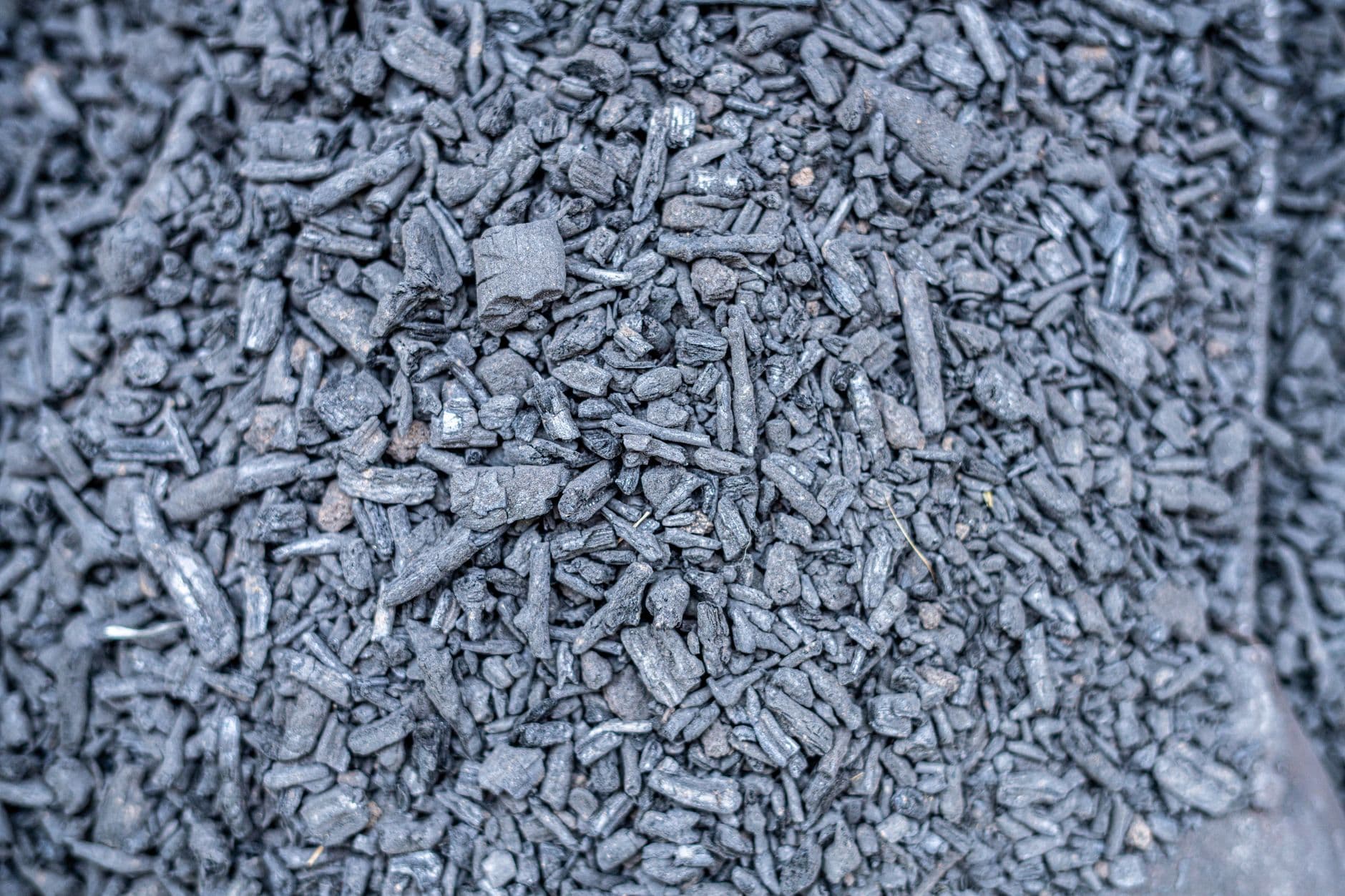
Biochar is the key here. Minnesota regulators define it as carbon-rich charcoal made by heating biomass in a low-oxygen pyrolysis process, and they say it can improve soil health, help soil retain water, and trap carbon. University of Minnesota Extension notes that biochar has a long history in some Indigenous cultures, but its modern use is relatively new and drawing growing interest across Minnesota.
For leatherworkers, the practical takeaway is not just that Red Wing found a cleaner disposal path. It is that a major tannery stream has been treated as a managed resource rather than landfill filler. A 2022 academic paper estimated the leather tannery industry generates about 33 million tonnes of solid waste a year, which shows how large the problem is. The next question for makers, schools, and small workshops is whether more of those scraps can be sorted for reuse before they are reduced to biochar, because the best waste stream is the one that still has material value attached to it.
This article was produced by Prism’s automated news system from verified source data, official records, and press releases, then run through automated quality and moderation checks before publishing. The system is built and supervised by the people who set the standards it runs under. Read our full AI policy.
Did this article answer your question?