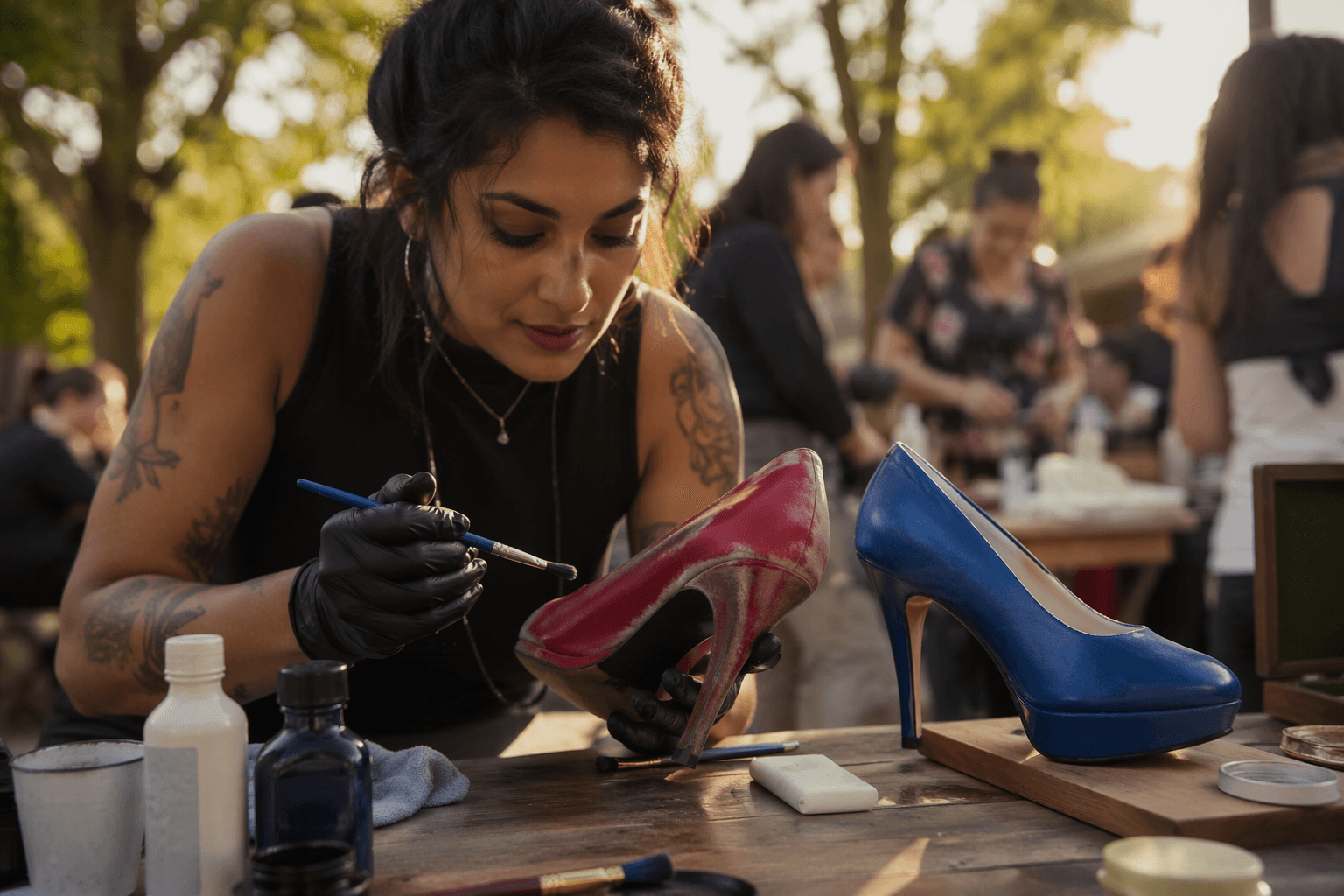
Spain’s leathercraft sector warns of closures, job losses and urgent aid needed
Spain's footwear base has shrunk 35% in five years, and the fallout is now hitting the component firms that supply buckles, soles, linings and leather.
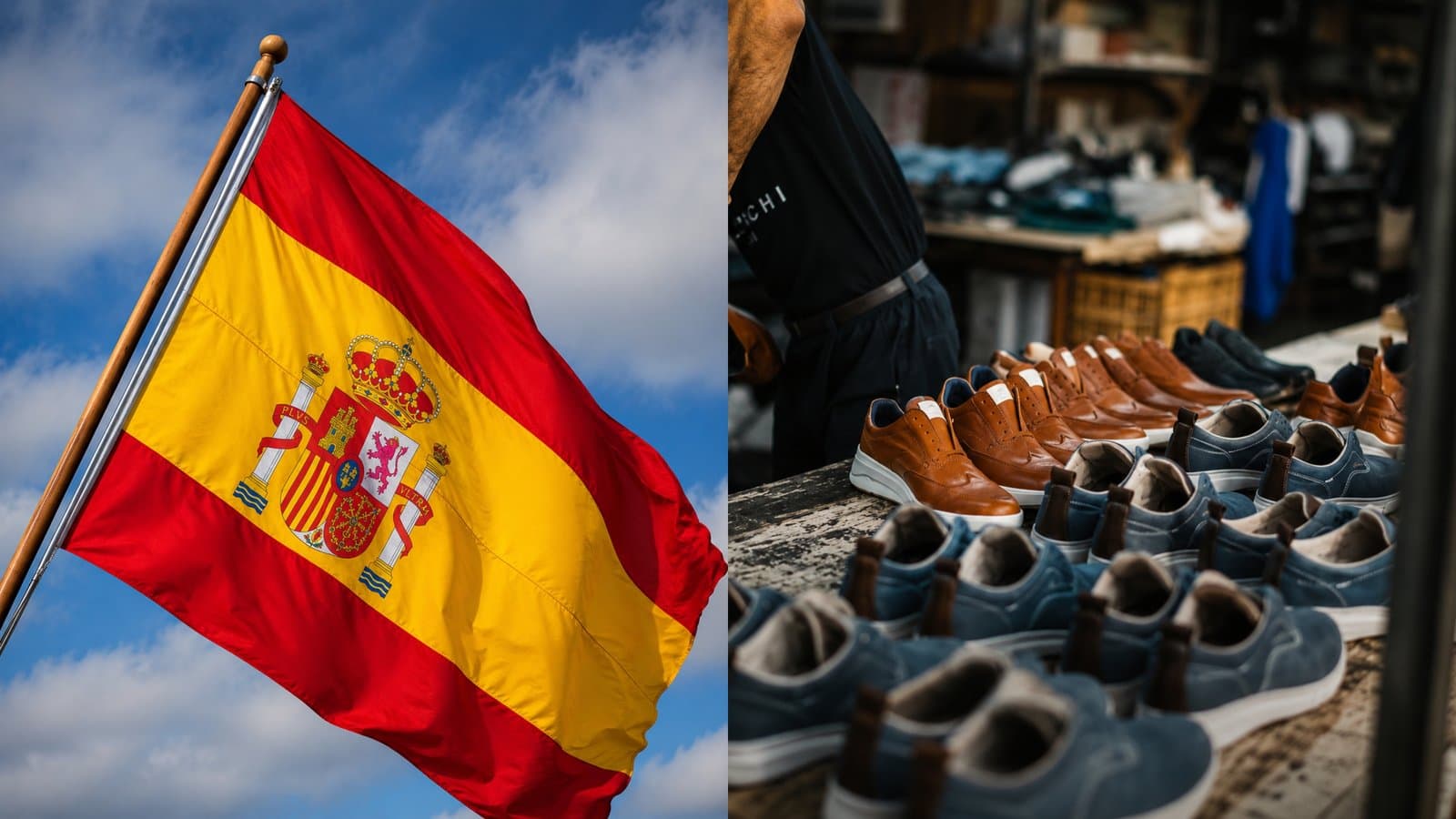
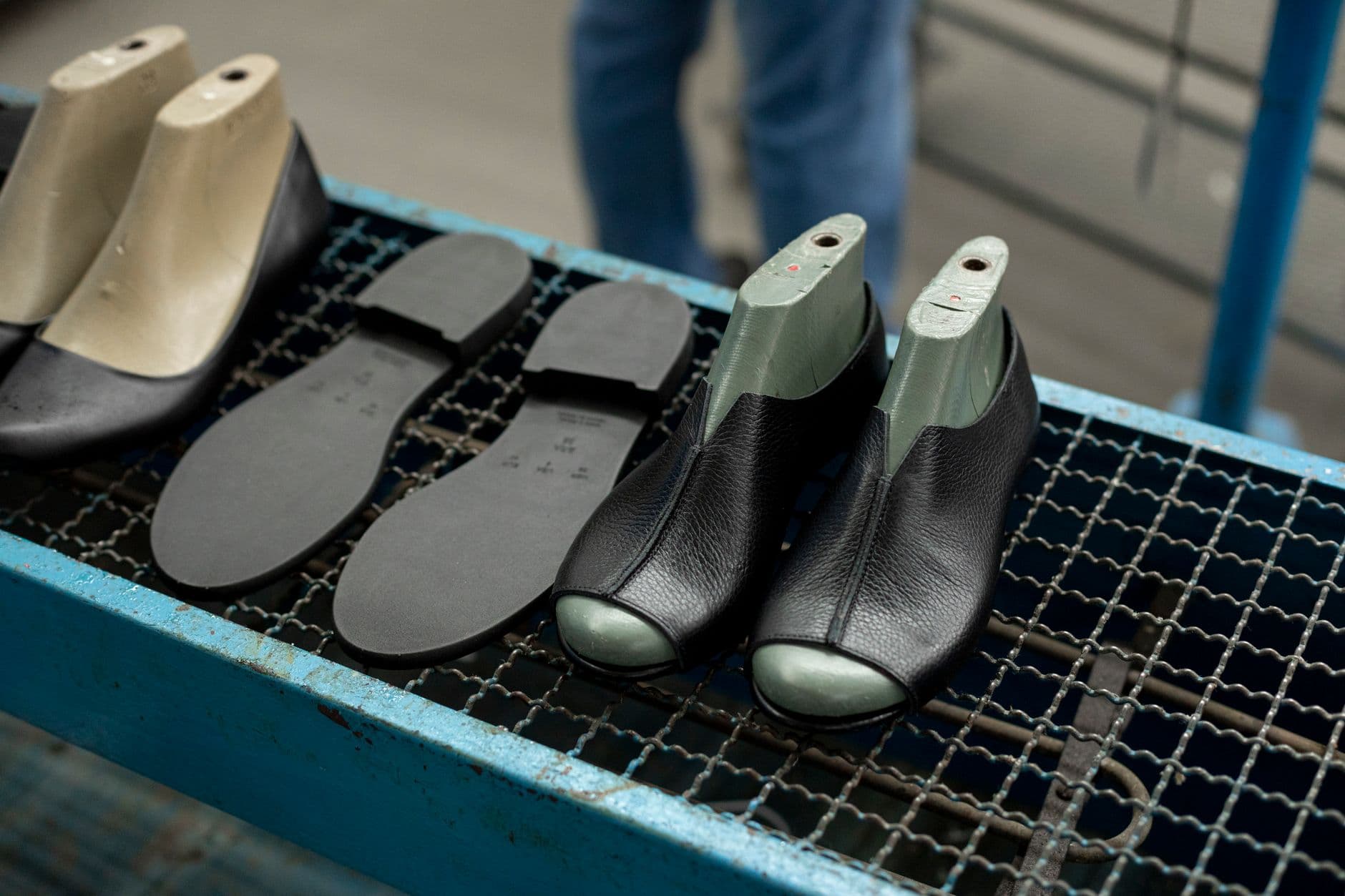
Spain’s footwear stress is no longer contained to factory floors. As manufacturers close and the auxiliary industry thins out, smaller makers are left chasing the same buckles, soles, linings, adhesives and finished leather through a tighter, costlier supply chain.
The Spanish Association of Footwear and Leather Goods Components Companies says the sector has moved into sustained strain, with 1,149 footwear manufacturers disappearing over the past five years, a drop from 3,280 to 2,131 companies. It said another 195 firms closed in 2025 alone, before any wind-downs already underway in 2026 are counted. The hardest hit areas are the country’s core shoemaking regions, especially Valencia, Castilla-La Mancha, La Rioja and Murcia, which together account for 87.4% of Spain’s footwear business base.
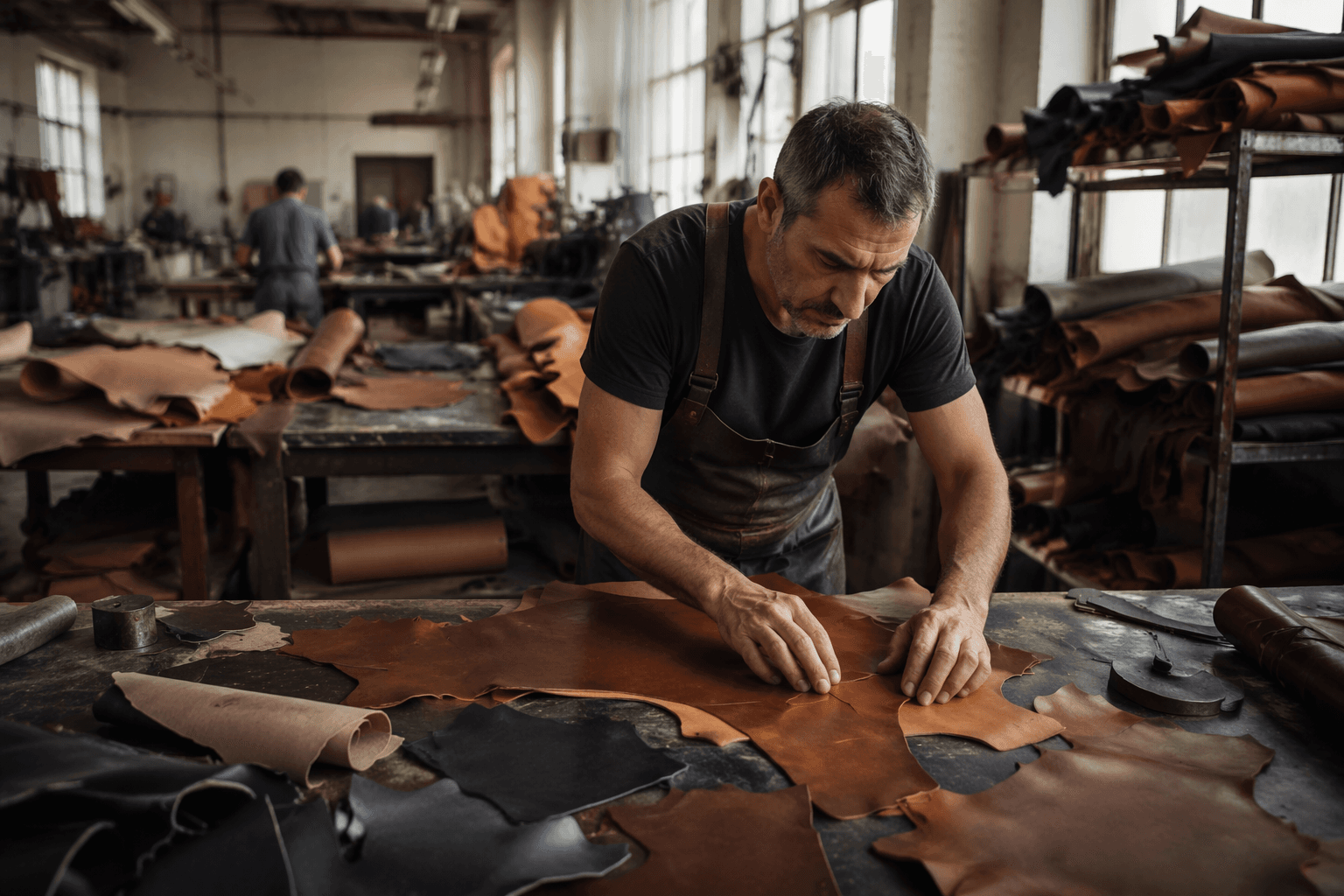
That regional concentration matters for leathercraft because it is where hides, components and technical services tend to cluster. A weaker base of producers means fewer local partners making soles, heel counters, metal fittings, adhesives and lining materials, and that can leave smaller workshops with less bargaining power and fewer alternatives when quality slips or lead times stretch. In 2025, losses were especially steep in Valencia at 37%, Castilla-La Mancha at 39.7%, La Rioja at 17.4% and Murcia at 22.5%.
The production numbers underline why the alarm is growing. Spain’s footwear industrial production index fell 9.2% in 2025 and then dropped another 29.1% in April 2026. The footwear and leather sector lost 3,670 workers during 2025, and average employment in May 2026 stood at 35,806, down 324 from the previous month and 1,704 from May 2025. Against a national industrial backdrop that was still positive in April, the footwear slide looked sharper and more structural than a routine downturn.
The sector is also pushing for government action before the damage becomes permanent. On 14 May 2026, the Federation of Spanish Footwear Industries and AEC met Industry and Tourism Minister Jordi Hereu to present a joint roadmap for competitiveness and continuity across the value chain. The plan asked for footwear and its auxiliary industry to be treated as a priority in Spanish industrial policy, and proposed a modernization pilot built around demonstrator companies, technology centres and associations to speed automation, robotics, artificial intelligence, digitalization, traceability and new materials. Vicente Pastor called for a concrete collaboration framework for a strategic industry built mainly on SMEs, while Santiago Martínez argued that a strong auxiliary industry is essential to keep the chain competitive and flexible.

Spain is not a giant in global footwear, but it is still exposed to the same pressures reshaping the trade. World Footwear figures put global output at 23.9 billion pairs in 2024, with Asia producing 88% of the total and China alone making 13 billion pairs. Spain exported about €1.65 billion in leather footwear in 2025 and imported about €1.81 billion, with France, Italy, Germany, the United States and Poland as key export markets. For the small maker waiting on the next shipment of soles or the right grade of finished leather, the warning from Spain’s cluster is plain: when the backbone weakens, the whole workshop feels it fast.
This article was produced by Prism’s automated news system from verified source data, official records, and press releases, then run through automated quality and moderation checks before publishing. The system is built and supervised by the people who set the standards it runs under. Read our full AI policy.
Did this article answer your question?