Lock Monkey HD strike locator aims to prevent latch callbacks
A tiny strike locator can save a full callback by turning last-minute strike adjustment into repeatable fit, not guesswork.

Why the last fraction of an inch matters
The Lock Monkey HD Strike Locator is built for the moment that ruins an otherwise clean install: the door is hung, the hardware is aligned, the finish work looks right, and the latch still will not seat. A strike plate that is off by even a fraction of an inch can leave you with a door that rattles, drags, or refuses to latch, and that is how a finished job turns into a callback.
That is the real pain point here. In locksmithing and door hardware work, the problem is not always the lock body, the latch, or the deadbolt itself. Very often, it is the last alignment step at the frame, where a small miss can make the whole opening feel wrong.
What the Lock Monkey HD is actually doing
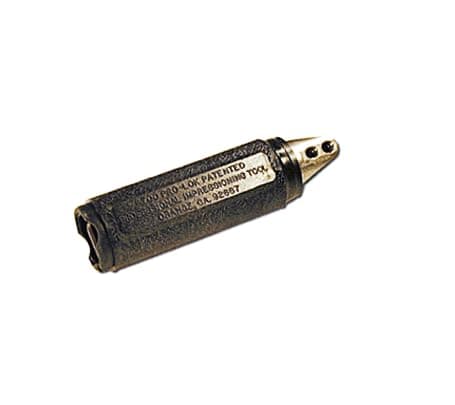
Mr. Locksmith frames the Lock Monkey HD as a professional-grade strike locator that takes the guesswork out of strike plate positioning. The pitch is simple and practical: instead of relying on trial-and-error marking, you use a dedicated tool that helps you place the strike accurately the first time.
The material choice matters too. The tool is described as solid stainless steel, which puts it in a different category from cheaper plastic templates that can warp or wear down over time. That durability makes sense in a real service routine, where the tool is not a novelty sitting in a drawer but something you grab repeatedly on busy job sites.
This is also why the product feels like a locksmith tool and not a general handyman accessory. Mr. Locksmith’s other tool guides treat locksmithing gear as part of an everyday-carry, service-bag workflow, and the Lock Monkey HD fits that mindset neatly. It is there to make the last adjustment faster, cleaner, and more repeatable.
How to think about a latch problem before you blame the lock
If a door will not latch, Schlage’s troubleshooting guidance says the strike plate is one of the first places to inspect. The key is not to start cutting or moving metal blindly. First identify exactly where the bolt is catching, then adjust from there.
That approach matches Allegion’s support material, which says a misaligned strike plate can prevent a latch from retracting smoothly and may need to be repositioned slightly. In other words, a stubborn latch is often a geometry problem masquerading as a hardware failure. When the frame side is even a little off, the door can feel defective even when the lockset is fine.
A clean way to think about it is this:
1. Find where the bolt or latch is actually contacting the strike.
2. Confirm whether the strike is too high, too low, too deep, or simply off center.
3. Reposition the strike until the latch retracts and seats smoothly.
4. Recheck operation after tightening, because a good fit before fasteners are set is not always a good fit after.
That is where a precision locator earns its keep. It shortens the path from “something feels wrong” to an adjustment you can trust.
Why this is bigger than one tool
The Lock Monkey HD is useful because the underlying problem is common across the trade. BHMA says ANSI/BHMA A156 standards cover builders hardware, including locks, closers, exit devices, butts, hinges, power-operated doors, and access control products, with attention to cycle, operational, strength, security, and finish requirements. That is a reminder that hardware is judged not just by whether it works once, but by whether it works consistently.
Manufacturers know this too, which is why Schlage provides installation manuals, door templates, and videos for lock installation and troubleshooting. The entire support ecosystem exists because installation error is a real source of failure, and small mistakes at the strike can turn into service calls later. Better tools and better templates exist for the same reason: repeatability.
ASSA ABLOY’s installation instructions make the same point from another angle. Their guidance tells installers to temporarily position the strike, check for interference between the door, strike, lock face plates, and extension lip, and then re-check operation after securing it. That is classic frame-side discipline: test first, commit second.
Even when products are built to tolerate some movement, precision still matters. ASSA ABLOY’s ES8100 V-Lock is marketed as accommodating up to 12 mm total door misalignment, which sounds forgiving until you remember that forgiveness is not the same as proper fit. The more accurately the strike is placed, the more the opening feels like a finished piece of hardware instead of a compromise.
Where the Lock Monkey HD fits in the real workflow
The value of a tool like this is not glamorous. It is the boring, expensive kind of value: fewer return trips, less rework, cleaner operation, and a better first impression when the customer tests the door. A strike that lands correctly the first time saves you from having to explain why a nearly finished job still needs one more visit.
It also helps at both ends of the experience curve. An apprentice gets a more repeatable way to learn strike placement instead of chasing fit by feel alone. A seasoned installer gets a faster path through a routine task that can otherwise eat time on a packed schedule.
That is why the Lock Monkey HD makes sense as a shop tool and not just a clever add-on. It solves a small problem that causes outsized damage, and it does it with the kind of durability locksmiths expect from gear that lives in a service bag. When the door is already hung and the hardware is already on, that last bit of strike alignment is where the real professionalism shows up, and the difference between guessing and measuring is the difference between a clean latch and a callback.
This article was produced by Prism’s automated news system from verified source data, official records, and press releases, then run through automated quality and moderation checks before publishing. The system is built and supervised by the people who set the standards it runs under. Read our full AI policy.
Know something we missed? Have a correction or additional information?
Submit a Tip