Lock Noob shares five tips to improve lockpicking fast
Lock Noob’s new primer says fast progress comes from light tension, sensible practice locks, and deliberate repeats, not a bigger kit.
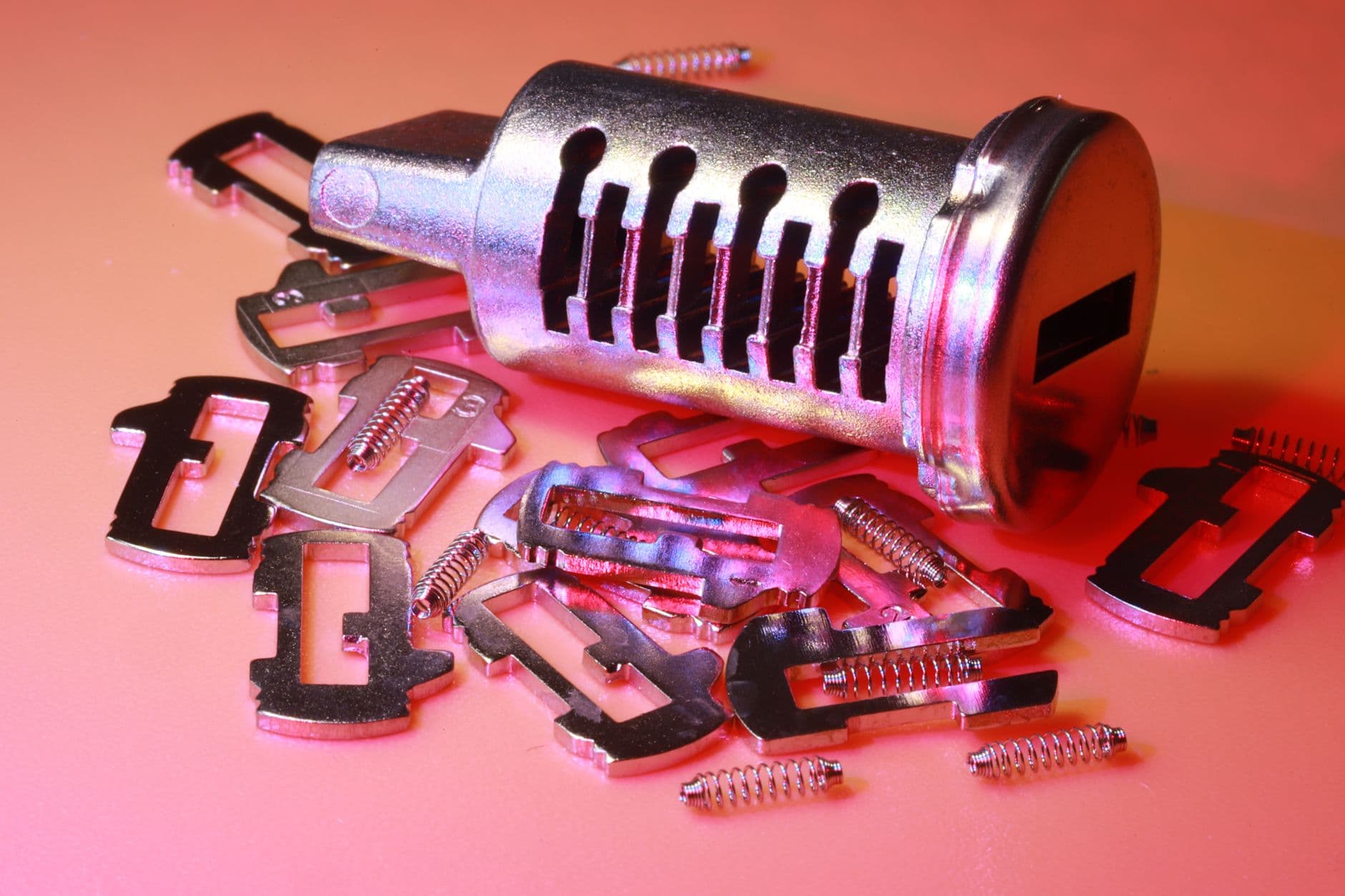
Lock Noob’s latest beginner primer cuts straight through the hype: if you want to improve quickly, the habits matter more than the hardware. The new video, "Lock Picking - 5 Tips to Get Good FAST!", lands like a coaching session for new and intermediate pickers, with the channel’s usual reminder to keep things legal and work only on locks that are yours and not in use.
Start with the right lane
The first habit is more about discipline than technique. Lock Noob has built a channel around new and intermediate lock pickers, and that framing matters because locksport works best when it stays in the educational lane: non-destructive, legal, and methodical. Lockwiki defines lockpicking as the covert, non-destructive opening of a lock by analyzing and manipulating its parts without a key, which is exactly the mindset this kind of beginner content depends on.
That same outlook is baked into the broader community around the craft. TOOOL, the Open Organisation Of Lockpickers, describes itself as a 501(c)(3) nonprofit devoted to public education about locks and lock picking through teaching, research, and competition. When the hobby is treated as a learnable skill instead of a stunt, the path gets clearer fast.
Choose a practice lock that teaches, not one that flatters
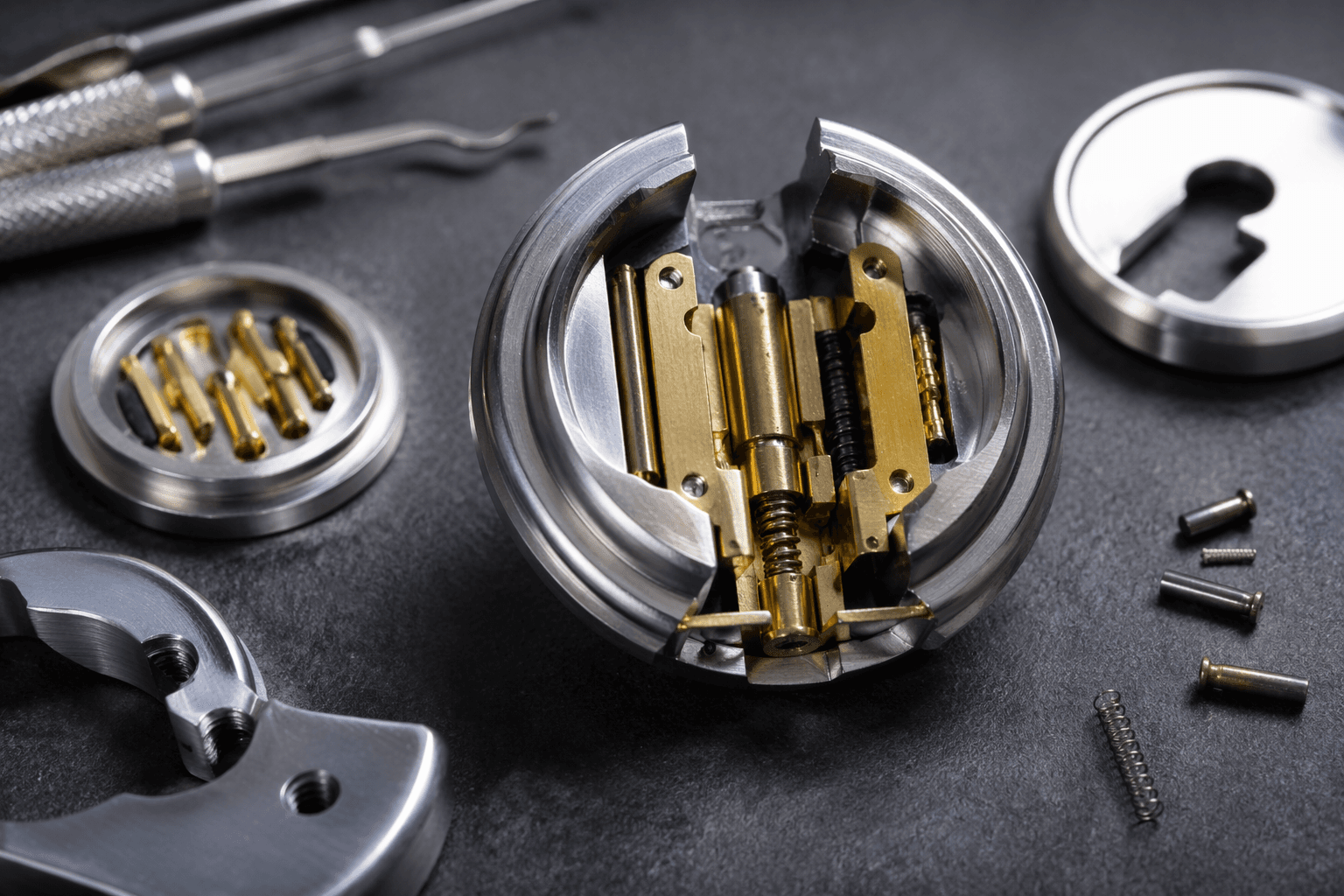
A lot of beginners waste time on locks that are either too easy or too punishing. The practical move is to pick a sensible practice lock that gives you repeatable feedback, not a random challenge that turns every session into guesswork. Lockwiki’s beginner material gets this right: you learn faster by practicing on the same lock and on many different locks, because both repetition and variation matter.
That balance is where early progress usually lives. The same lock teaches you what your hand is doing from one session to the next, while different locks force you to stop memorizing one lucky solution and start reading the lock as a system. If you are trying to get good fast, that combination beats bouncing around a huge pile of mystery hardware.
Use tension like a dial, not a crowbar
This is the habit that unlocks most of the rest. Beginner pickers often think they need force, when they really need control, and Lock Noob’s fast-track style points in the opposite direction: light, deliberate tension that lets the pins tell you what they are doing. Too much tension masks feedback, stalls movement, and turns the whole lock into a dead end.
TOOOL’s own guidance says becoming good at lockpicking takes years of practice and enormous patience, which is a useful reality check for anyone expecting instant results from a new pick set. That patience shows up first in tension control, because tension is what lets you feel the binding order instead of muscling through it. If a lock feels stubborn, the answer is usually not more pressure. It is usually less.
Listen for binding order instead of forcing movement
Once the tension is right, the next skill is learning what the lock is telling you. The early goal is not to “beat” the lock by brute force, but to notice which pin binds first, how a click changes the stack, and when a set pin frees up another one. That is the kind of touch-based learning that makes a short primer useful, because it turns a vague hobby into a repeatable process.
This is also where the channel’s broader teaching style helps. Lock Noob’s description says the channel is dedicated to new and intermediate pickers and includes techniques, tool reviews, and lock picking demonstrations, so the advice sits inside a larger instructional ecosystem rather than a one-off stunt clip. The more you pay attention to feedback, the less you rely on luck, and the faster your hands start making sense of the mechanism.
Repeat the same drill until your hand learns faster than your eyes
The final habit is repetition, but not mindless repetition. A good week-one plan is simple: work the same practice lock long enough to recognize the usual binding order, then rotate to a different lock and see whether your tension and feedback still hold up. That is the kind of loop Lockwiki’s beginner guidance points toward, and it is the shortest route from theory to touch.
This is where realistic expectations matter. TOOOL’s structure gives the hobby a formal backbone, with volunteer-led chapters in the states, an affiliated chapter in Canada, and roots that run back to Amsterdam in 2002, with U.S. TOOOL following in 2005. The Dutch Open lockpicking championships have been organized since 2002 and held during LockCon since 2008, which tells you something important: the community has long treated progression as practice, not shortcut.
Lock Noob’s 502K-subscriber, roughly 1.9K-video archive makes the same point from another angle. The new five-tip upload is not trying to replace practice with theory. It is trying to compress the right habits into a form you can use immediately, and that is why it lands as more than a quick watch. It gives beginners a clean week-one training plan: stay legal, choose a sensible lock, keep tension light, read the binding, and repeat until the feel becomes familiar.
This article was produced by Prism’s automated news system from verified source data, official records, and press releases, then run through automated quality and moderation checks before publishing. The system is built and supervised by the people who set the standards it runs under. Read our full AI policy.
Did this article answer your question?