LockLab posts English-subtitled pickup of French Fontaine cylinder
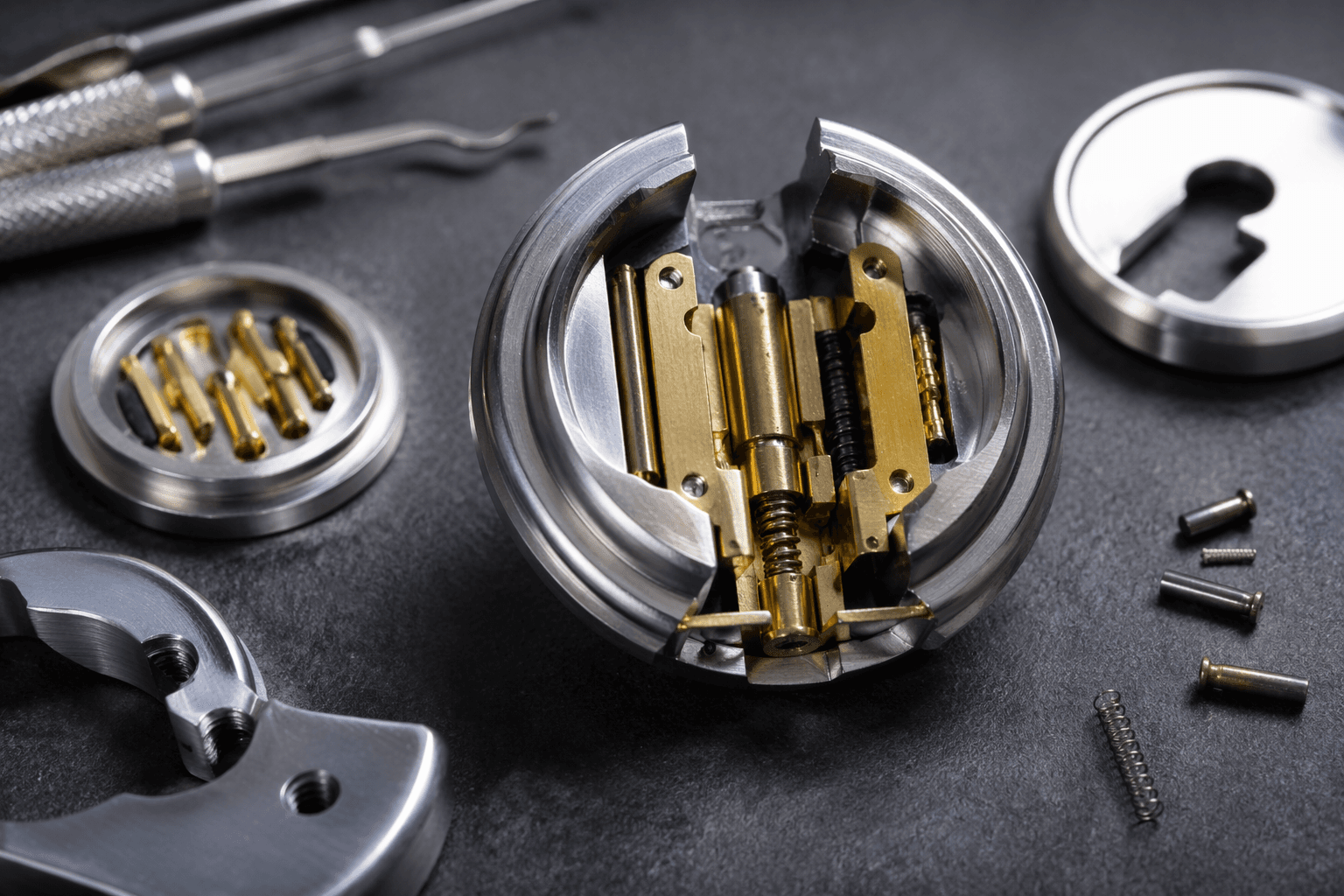
LockLab’s English-subtitled Fontaine cylinder pick is more than a clean open: the gutted reveal shows how a tubular stack behaves under pressure and why profile matters.

LockLab’s English-subtitled June 12 post from Tallanpick turns a French Fontaine cylinder into a useful lesson in how to read a lock, not just watch it open. The title says enough to set the frame: this was a picked and gutted Fontaine cylinder, and the point is the relationship between the tubular keyway, the stacked pins, and the way the core gives up when the field of play is narrow.
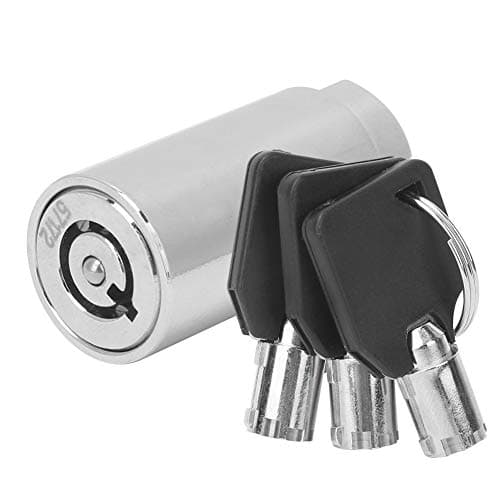
That narrow field is exactly why Fontaine-style hardware draws specialist attention. A tubular pin-tumbler lock uses a circular key and stacked pins, unlike the flat, linear pin tumbler most people picture first. That geometry changes everything about access and feedback. The tool has to meet the cylinder on its own terms, and the picker has to listen for small changes in tension and pin response instead of expecting the broad, familiar tells of a standard core. When a Fontaine cylinder opens cleanly enough to be gutted on camera, the reveal is doing double duty: it shows the internals and it confirms that the method matched the profile.
The English subtitles matter here because they widen the audience for a lock family that already has a niche reputation. Fontaine locks have circulated in the community for years as uncommon French hardware, the sort of thing that specialists trade notes on because it does not behave like the mass-market padlocks and deadbolts most videos cover. LockLab has long worked as a searchable archive for that kind of material, and Tallanpick’s post fits the site’s habit of preserving unusual opens in a format other pickers can actually study.

The Fontaine name itself carries a longer history than the clip. Maison Fontaine says the decorative locksmithing business began in 1740, was taken over by Francis and Joseph Fontaine in 1842, and had more than 300 workers by 1866. That lineage still shows up in the present market, where French suppliers sell Fontaine-compatible cylinders, keeping the pattern alive in modern security hardware rather than leaving it as museum trivia.
That is why a successful pick like this is worth slowing down for. The open is the headline, but the real lesson is in what the cylinder structure allows, where the tool fits, and how a tubular design forces a different reading of the pins. If you want to understand advanced lock openings, this is the kind of clip to study twice: once for the result, and once for the clues the core gives away before it pops.
This article was produced by Prism’s automated news system from verified source data, official records, and press releases, then run through automated quality and moderation checks before publishing. The system is built and supervised by the people who set the standards it runs under. Read our full AI policy.
Did this article answer your question?