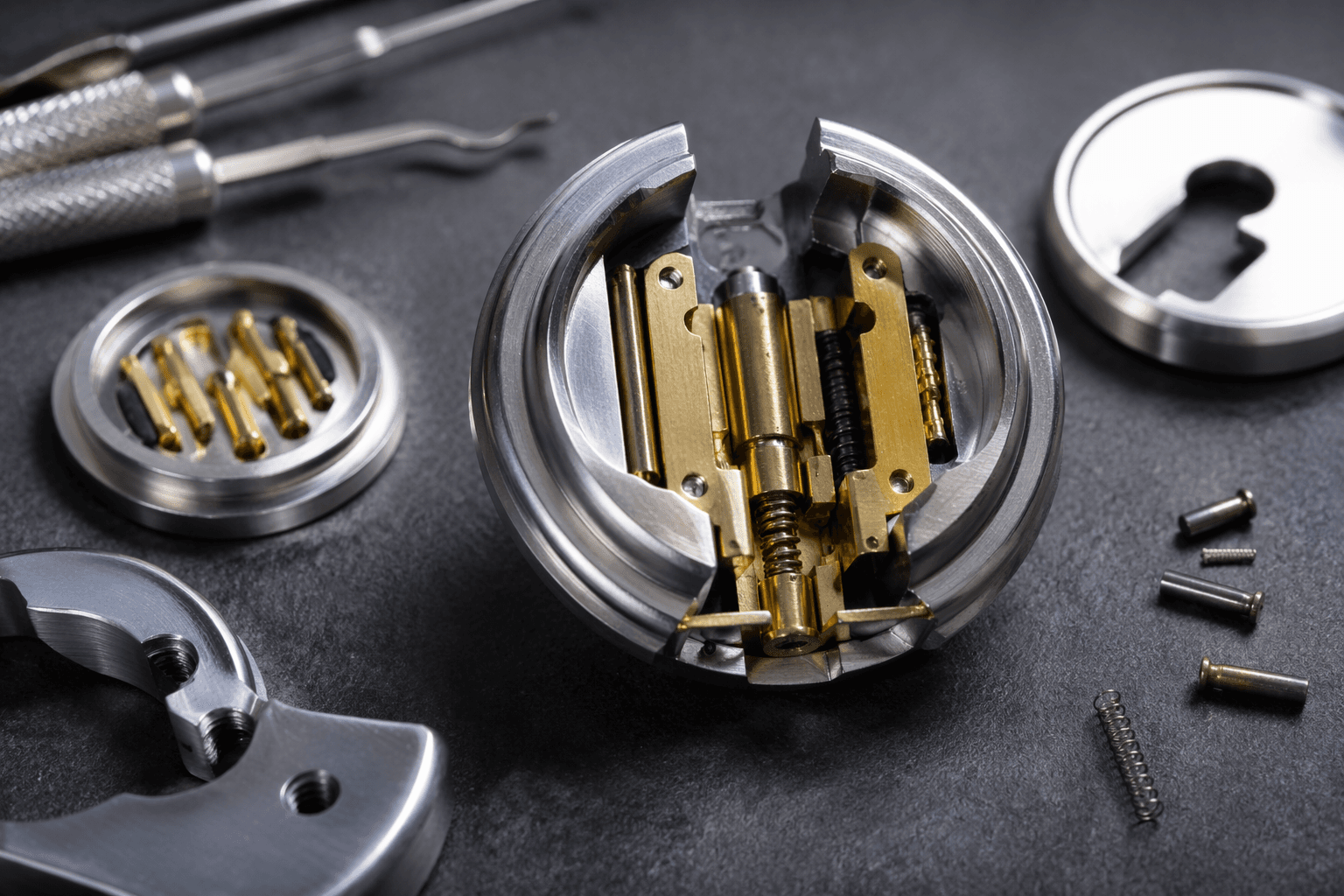
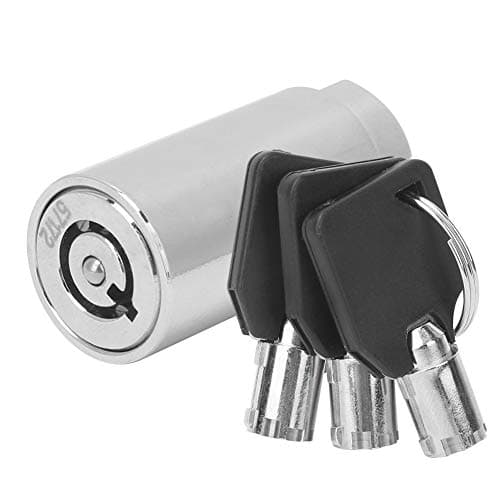
LockLab tears down a Frankenstein TESA cylinder after a pick open
LockLab’s latest TESA teardown opened a Frankenstein cylinder first, then stripped it to the bench. The post turns a weird core into a clean lesson in what hybrid hardware does under tension.
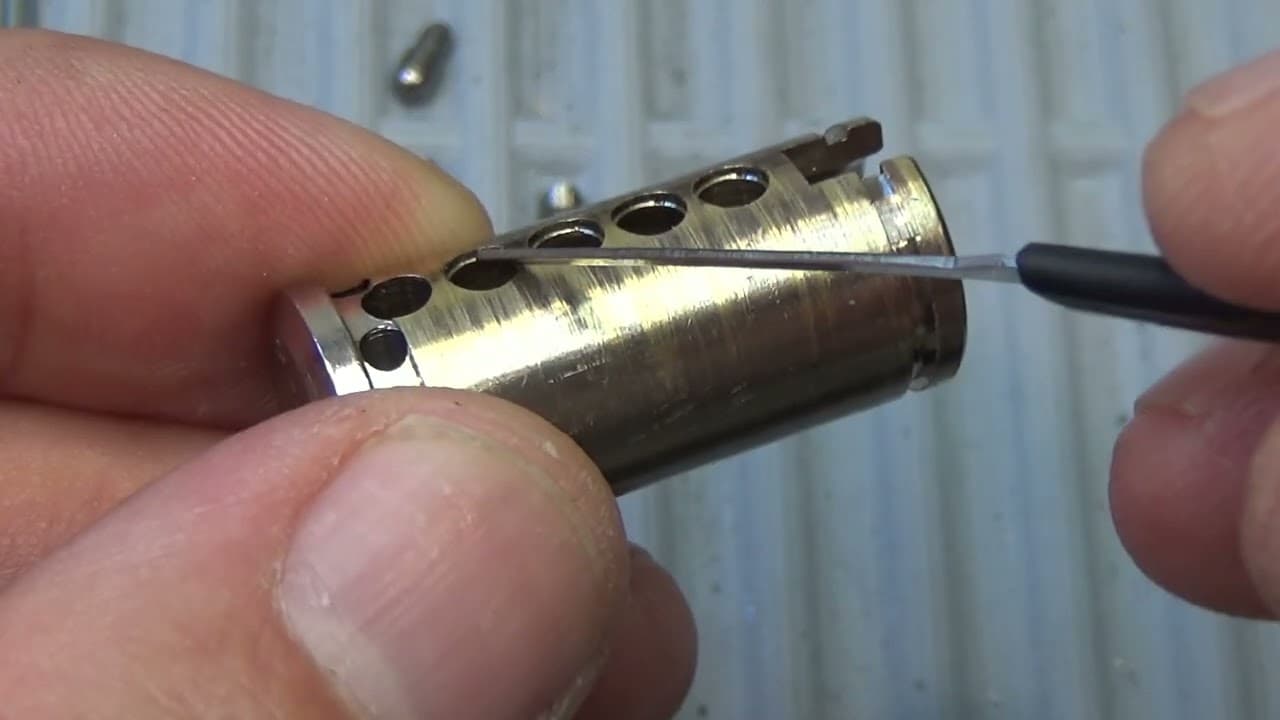
LockLab’s June 23 post 1240, CILINDRO TESA FRANKENSTEIN GANZUADO Y DESMONTADO, did exactly what the title promised: it picked open a Frankenstein TESA cylinder and then tore it down. In locksport terms, Frankenstein usually means a hybrid, rebuilt, modified, or otherwise non-factory lock, and that is the kind of core that can feel normal right up until it starts behaving strangely on the pick and the gutting table.
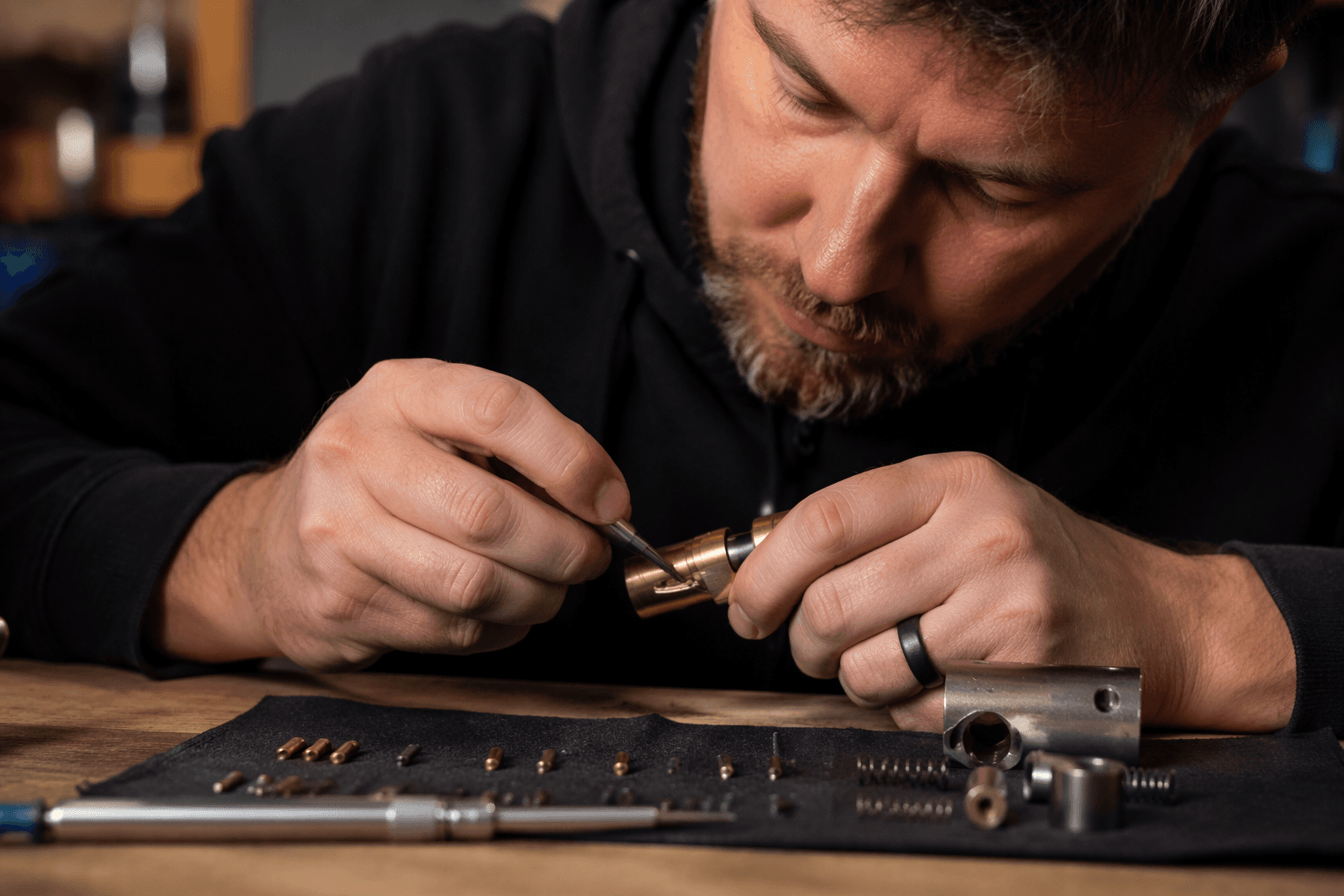
That matters because a weird cylinder teaches in two directions at once. Under tension, a Frankenstein build can give feedback that does not line up neatly with a stock factory stack. Once it is opened and disassembled, the same lock stops being a mystery and becomes a specimen, with the plug, pinning, springs, and housing all available for direct comparison instead of guesswork. For pickers who like diagnosing odd behavior before they ever gut a core, that is the useful part of a teardown like this one.
The post also sits inside LockLab’s ongoing archive rather than standing alone. The site’s recent-posts listing placed the June 23 entry alongside post 1242, and LockLab has already used TESA hardware for a similar breakdown before, publishing a January 16, 2021 post on the TESA TK5 that covered opening, explanation, and disassembly in two versions. That history makes the Frankenstein cylinder feel less like a novelty and more like another data point in a long-running catalog of oddball cores.
TESA ASSA ABLOY gives the brand context behind the benchwork. Its cylinder range runs from basic models to patented, restricted-key high-security cylinders, with protections that include spring-loaded pins and antiremoval systems. The T60 is described as a basic-security Euro profile double cylinder. The T70 is built to defend against breakage attacks and adds anti-extraction, anti-bumping, and anti-drill protection. The T80 is a medium-security cylinder with a reversible dimple key and 8 spring-loaded pins. The TD60 sits in the basic segment as a patented cylinder. At the top end, the TK100 is described as a high-security cylinder with a reversible key, 10-pin points, 10 + 1 blocking pins, EN-1303 certification, and a durability rating of 200,000 cycles.
TESA also says protected key and cylinder copies require the property card, and its Key Manager app can notify owners of key-copy requests, keep a record of copies by cylinder, disable a lost card, and request a replacement card. Against that backdrop, a picked-open Frankenstein TESA cylinder is more than a curiosity. It is the kind of core that lets you compare the brand’s security claims with the hardware sitting in front of you after the last pin has been set and the shell has come apart.
This article was produced by Prism’s automated news system from verified source data, official records, and press releases, then run through automated quality and moderation checks before publishing. The system is built and supervised by the people who set the standards it runs under. Read our full AI policy.
Did this article answer your question?