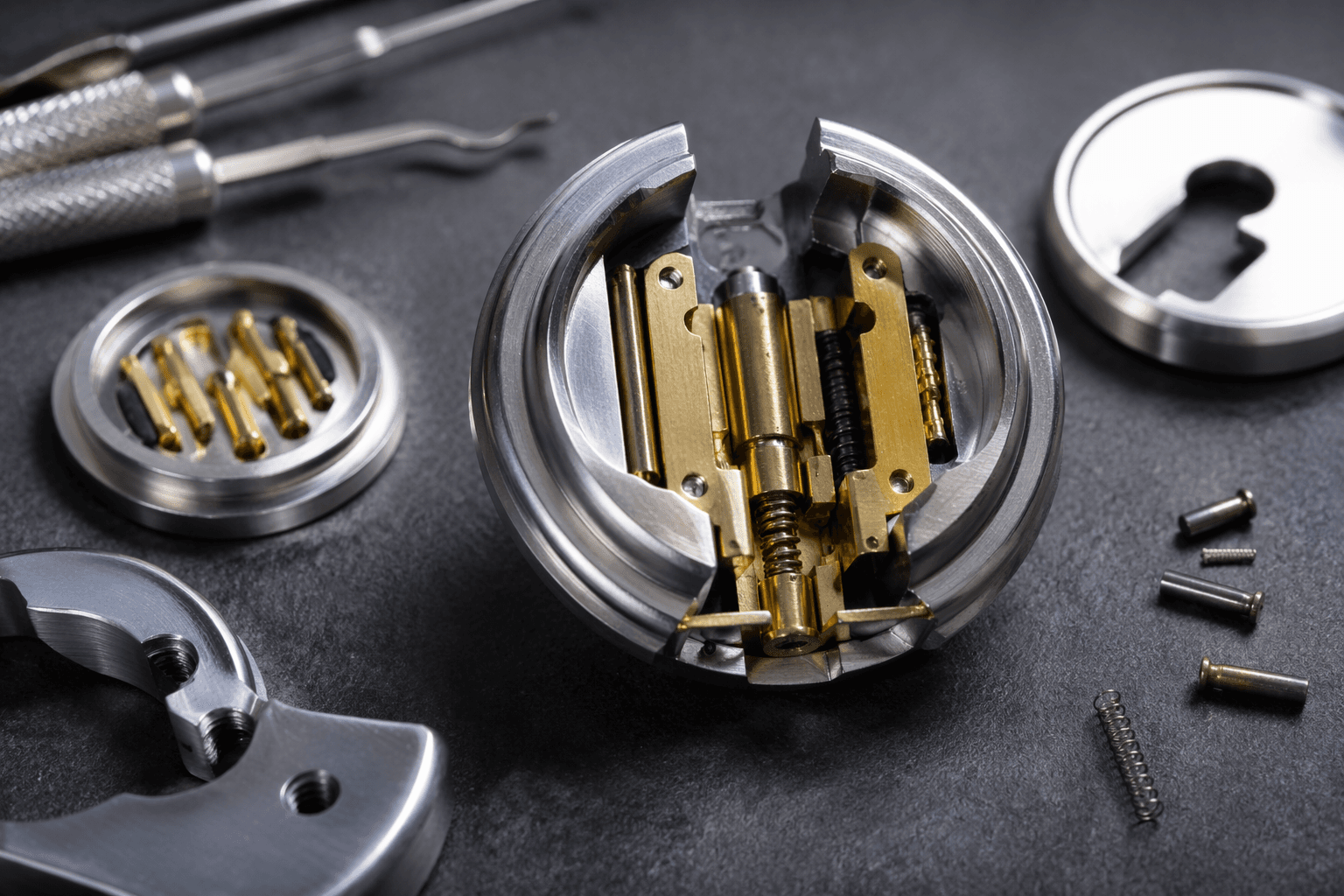
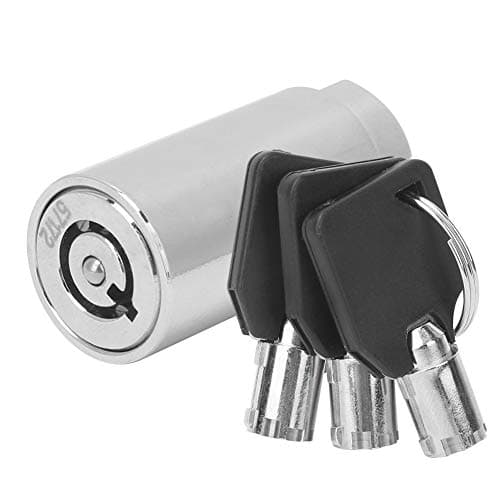
Lockpick Pros guide beginners to master single pin picking first
Single pin picking is the real doorway into locksport, where tension, feedback, and White Belt milestones turn first opens into repeatable skill.
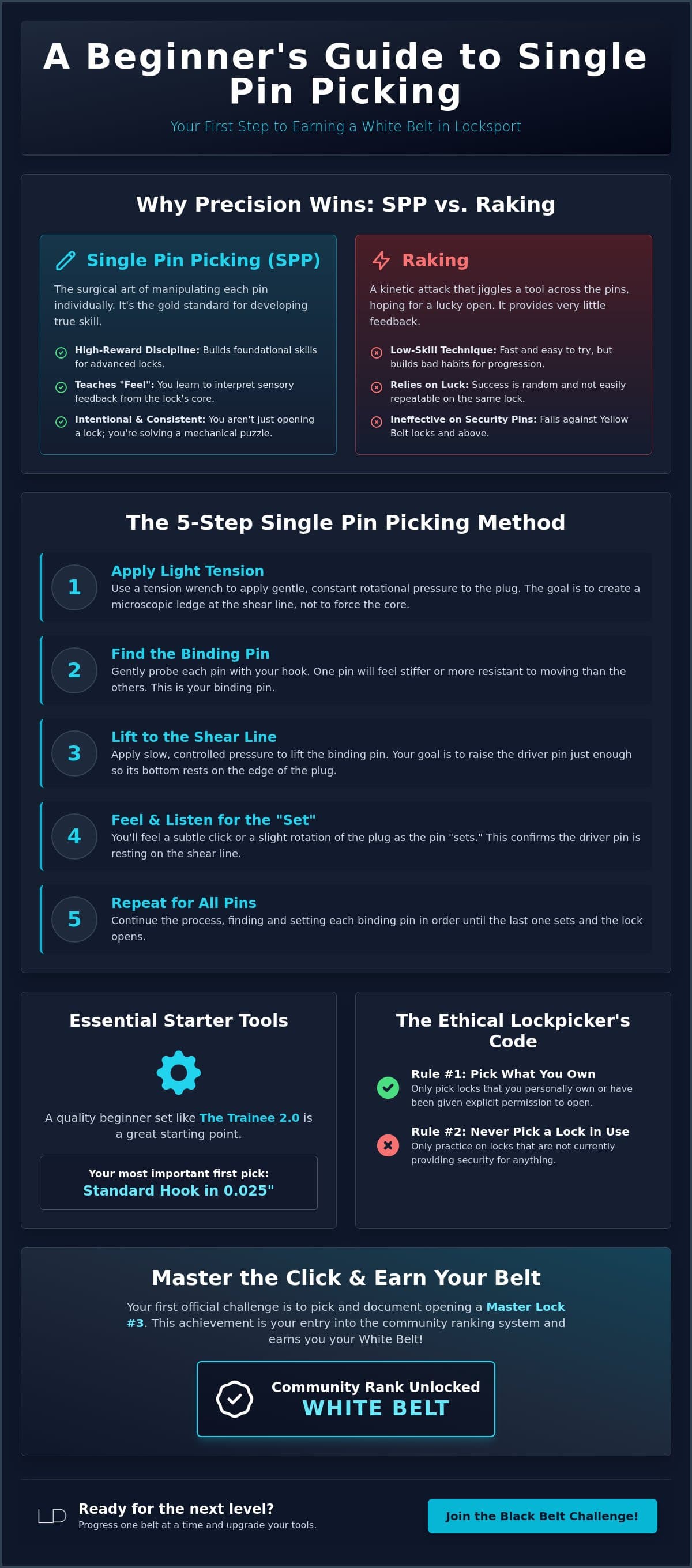
Single pin picking is the part of locksport that teaches you what the lock is actually doing. The newest beginner-focused guide from Lockpick Pros pushes that idea hard, arguing that the first real goal is not a flashy open, but learning to feel binding order, control tension, and read the feedback coming back through the pick. That is the right way to start if you want progress that lasts, because easy rakes and brute force can hide how little a new picker actually understands.
Why single pin picking comes first
The trap for beginners is obvious: you can sometimes get a door open by guessing, scrubbing, or yanking harder than you should, and that can feel like progress. It is not. Single pin picking forces you to work one pin at a time, which makes the lock’s behavior legible in a way no shortcut does, and that is why the guide treats it as the foundation rather than an advanced trick.
That focus also fits the way locksport already measures growth. The whole point is not luck, but skill you can repeat under pressure. If you can hear and feel the lock change as you work, you are building the habits that matter later when security pins, tighter tolerances, and less forgiving cylinders enter the picture.
What White Belt really means
Lock Pickers United built its belt system to codify achievements in lockpicking and related skills, and it explicitly borrows the color-belt logic from martial arts. That matters because it gives beginners a concrete benchmark instead of an abstract promise that they are “getting better.” White Belt is the first real mile marker, not a trophy for one lucky open.
The LPU Belt Explorer now holds detailed information for nearly 900 locks, and its White Belt section makes the standard plain. It includes very basic training targets such as any acrylic padlock, any cutaway lock, Master Lock #1, and ALPHA 1000 10mm with 2 pins. Those examples tell you exactly what early progress looks like: simple internals, visible feedback, and a level of resistance you can actually learn from.
That is why the guide’s approach lands. The first successful open is not the end of the lesson. It is the point where you can start proving you understand tension, binding order, and repeatability instead of just stumbling into a result once.
The practice loop that actually builds skill
The practical advice here is refreshingly unglamorous. Spend more time on technique than on expensive tools, and pair the work with practice locks, easy cylinders, and progressive pinning. That last piece matters because progressive pinning lets you control the difficulty step by step, which is exactly how you keep the feedback clear enough to learn from.

TOOOL’s training materials back up the same idea. The Open Organisation Of Lockpickers says lockpicking is learned by feel more than by sight, and its training-lock guidance says the best way to learn is with cylinders of increasing difficulty. That is the same muscle the guide is building: apply the right amount of tension, notice when a pin binds, feel when it sets, then move to the next one without crushing the feedback.
In practice, the useful milestones are small and observable:
- You can tell which pin is binding first.
- You can hold tension steady without oversetting everything else.
- You can recognize the difference between a set pin and a pin that is still fighting you.
- You can get the same open twice, not just once.
Those are the signs that you are actually learning the lock, not just opening it.
Why the community keeps teaching it this way
TOOOL is a 501(c)(3) nonprofit dedicated to advancing public knowledge about locks and lock picking through teaching, research, and competition. It organizes lockpick villages, workshops, lectures, and competitions at conferences and public forums, which tells you something important about the culture around this hobby. Locksport is built on shared instruction and structured practice, not on one person showing off a fast open and calling it mastery.
That is also why the White Belt idea matters beyond one ranking system. It gives newcomers a way to see themselves inside the hobby before they have built a full toolkit of techniques. When a beginner starts with single pin picking, the first win is not “I opened a lock.” It is “I felt the binding pin, held the tension, and knew why it worked.”
That is the real doorway into the sport. If you start there, the later stuff stops feeling random, and the first open finally becomes what it should have been all along: the beginning of control, not the end of the road.
This article was produced by Prism’s automated news system from verified source data, official records, and press releases, then run through automated quality and moderation checks before publishing. The system is built and supervised by the people who set the standards it runs under. Read our full AI policy.
Did this article answer your question?