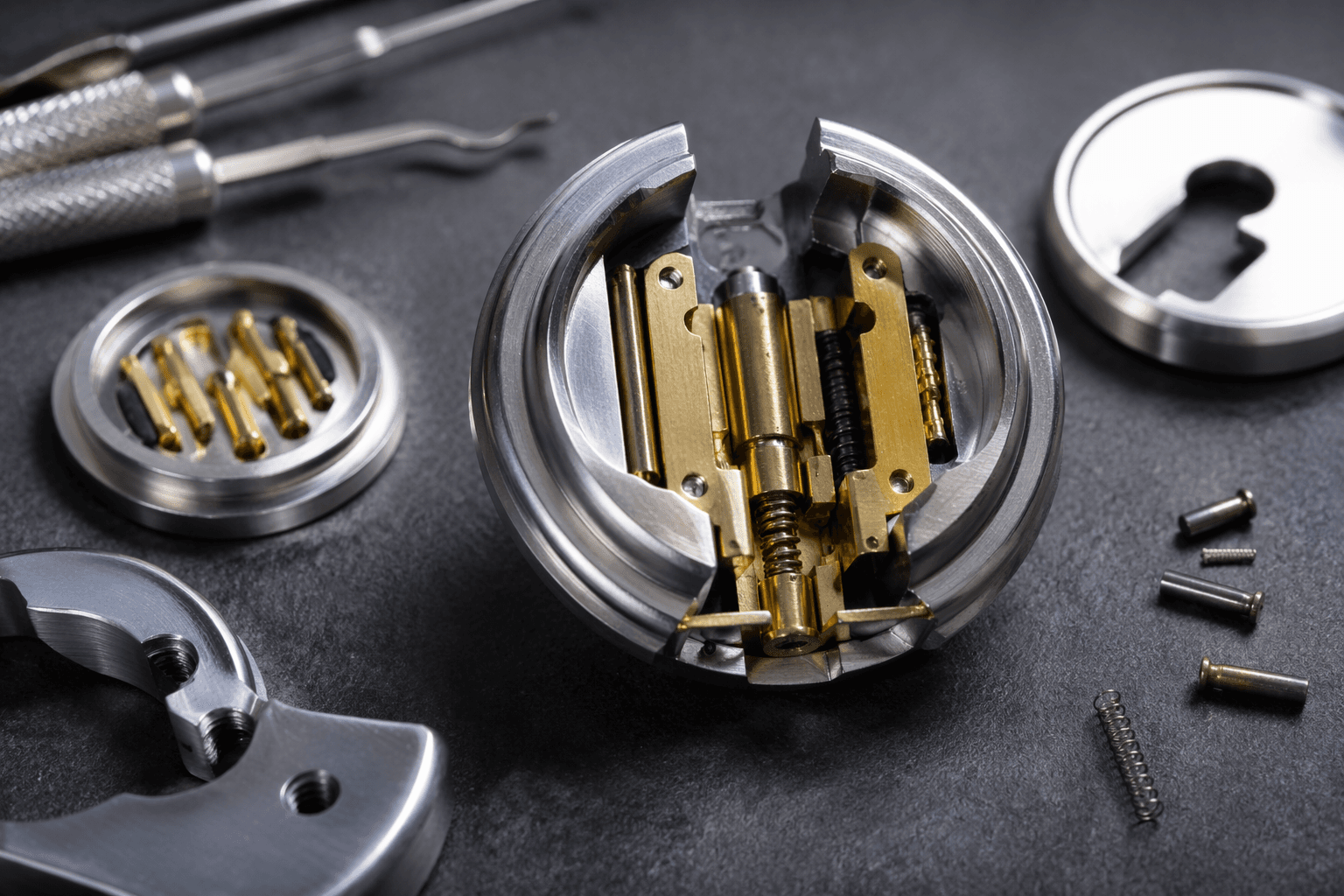
LockpickingDev teardowns ABUS 64Ti/50 padlock in concise demo
LockpickingDev’s 4:32 ABUS 64Ti/50 teardown shows how a lightweight TITALIUM body and paracentric keyway shape the pick, not just the open.

LockpickingDev’s compact ABUS 64Ti/50 teardown works because it does not stop at the open. It moves straight from picking attempt to gut to pin view, which turns a simple success into a practical lesson on how this small-format padlock actually behaves under tension. For anyone who cares about everyday carry padlocks, that sequence is the whole point: you get the opening, then the anatomy that explains it.
A short demo with a clear teaching order
The video runs 4:32 and keeps the pacing tight, which makes the sequence easy to read. It opens with an intro, shows the picking attempt, cuts to the open shackle, then goes into the pins and a final look at the lock’s features. That order matters in locksport because it lets you connect feel at the wrench and pick with what was sitting inside the core all along.
This is also very much LockpickingDev’s lane. The channel says the creator has been lockpicking for 10 years and has 416 videos, and the recent upload list shows the same technical, no-nonsense rhythm across picked-and-gutted padlocks, disc padlocks, combination locks, and tool reviews. Recent clips include a Master Lock Magnum M40s pick, a Federal Lock 200 pick-and-gut, disc padlock impressioning, and a Vault Locks combination padlock decode, so the ABUS 64Ti/50 piece fits an ongoing comparative series rather than a one-off stunt.
What ABUS is actually selling here
ABUS positions the 64TI/50 TITALIUM as protection for items at moderate risk of theft. That is the key framing point, because it tells you how the lock is supposed to be read in the field: not as a brick wall, but as lightweight security hardware meant for routine use on chains, doors, gates, cupboards, lockers, toolboxes, cellar windows, and sheds.
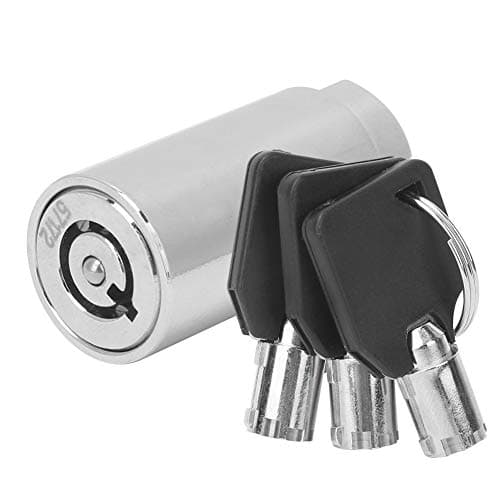
The build spec explains the feel you would expect before a pick ever touches it. ABUS describes a solid TITALIUM special-aluminum body, a hardened steel shackle with NANO PROTECT coating, a paracentric key profile, and a chrome-plated cylinder plug for added corrosion resistance. It is listed at 0.35 pounds with a Home Security level of 6, so the lock is clearly aimed at portability first and mass second.
That matters because small, light padlocks often invite the wrong assumptions. People see aluminum, compact dimensions, and a modest weight and think “easy,” but the real test is whether the layout forces clean binding behavior, punishes bad top-of-keyway placement, or keeps the picker honest through the key profile and plug geometry. The teardown gives you the evidence instead of the marketing.
What the pick-and-gut sequence teaches you
The most useful thing about a picked-and-gutted lock is that it turns invisible design into visible cause and effect. Once the ABUS 64Ti/50 opens, the pin view becomes the postmortem, and that is where you learn what mattered during the pick. If the core gave up cleanly, the gut tells you whether that was a feature of the pinning, the plug, the profile, or simply the limits of the lock class.
For a small ABUS like this, the practical takeaway is not just “it opened.” It is how the paracentric key profile and the compact format affect access, tensioning, and feedback. A narrow keyway or offset profile can change pick angle, reduce room for tool movement, and make the difference between a clean set and a noisy, draggy fight.
The internal view is also useful as a comparison point against other everyday carry padlocks. In the wild, you are often evaluating locks by feel before you know the model: short shackle, light body, familiar ABUS shell, and a keyway that hints at more resistance than the price or weight suggests. A teardown like this helps you separate cosmetic solidity from actual attack resistance.
Why this model keeps showing up
The ABUS 64Ti/50 is not a new target. There is an earlier Abus 64Ti/50 upload from roughly 10.3 years ago, which shows this model has been on the locksport radar for a long time. That long-running attention is useful because it suggests the lock sits in that sweet spot of being common enough to matter, but interesting enough to keep testing.
The newer video also reinforces how these channels build a reference library over time. When the same model appears years apart, you get a cleaner sense of whether the lock remains a worthwhile challenge or just a familiar drill. In this case, the 64Ti/50 stays relevant because it sits in a practical middle ground: common hardware, modest security rating, and enough internal structure to make the gut worth watching.
That is the real lesson for hobbyists who run into these ABUS padlocks in the field. The compact body and lightweight build do not tell the whole story; the key profile, core behavior, and pin layout determine how the lock feels under attack. A well-made pick-and-gut demo lets you connect the shell you see on the shackle to the mechanics you feel on the bench.
What to look for when you meet one yourself
If you run into a 64Ti/50 or another small ABUS TITALIUM padlock, the teardown gives you a checklist to think through before you commit time to it.
- Expect a lightweight body, not a heavy brute-force platform.
- Treat the paracentric key profile as a real part of the difficulty, not a cosmetic detail.
- Watch for the way the shackle and plug feel relative to the lock’s size.
- Use the open and gut to compare the pinning and core behavior with other compact padlocks you already know.
The cleanest part of LockpickingDev’s demo is that it never pretends the open is the whole story. The lock opens, the guts explain why, and the final view ties the whole thing back to ABUS’s design choices. That is exactly how a practical padlock teardown should work: show the bite, show the bones, and leave you with a better instinct for the next 64Ti/50 you meet hanging on a gate, locker, or toolbox.
This article was produced by Prism’s automated news system from verified source data, official records, and press releases, then run through automated quality and moderation checks before publishing. The system is built and supervised by the people who set the standards it runs under. Read our full AI policy.
Did this article answer your question?