LockPickMall explains cross lock pick sets, tools for four-way cylinders
Cross locks are a geometry problem first, a picking problem second. LockPickMall’s set shows why matched tools beat generic picks when the keyway turns into a four-way puzzle.
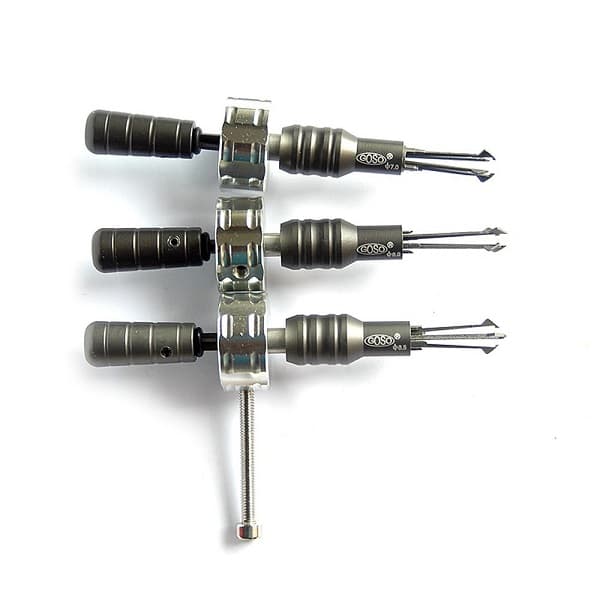
Cross locks force you to think in angles, not just pin count. LockPickMall’s June 9 guide makes the core point cleanly: a cross lock cylinder uses a four-way keyway structure, so the tool has to reach multiple pin chambers from different directions while still giving you precise control. If you try to treat it like a normal straight pin-tumbler lock, you are already fighting the geometry.
Why the shape changes the game
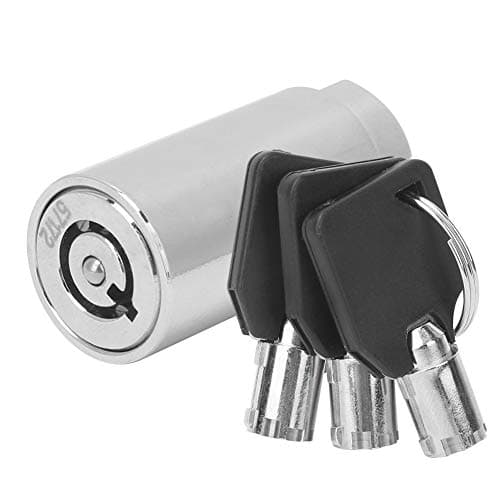
Cross locks are called cruciform locks and, in Europe, Zeiss locks, and the name tells you almost everything you need to know. The key and keyway form a plus-sign shape, which means the interior is built around a cross pattern rather than a single line of pins. That is why a standard pick set is the wrong starting point: the working surface has to engage chambers arranged around the centerline, not just along it.
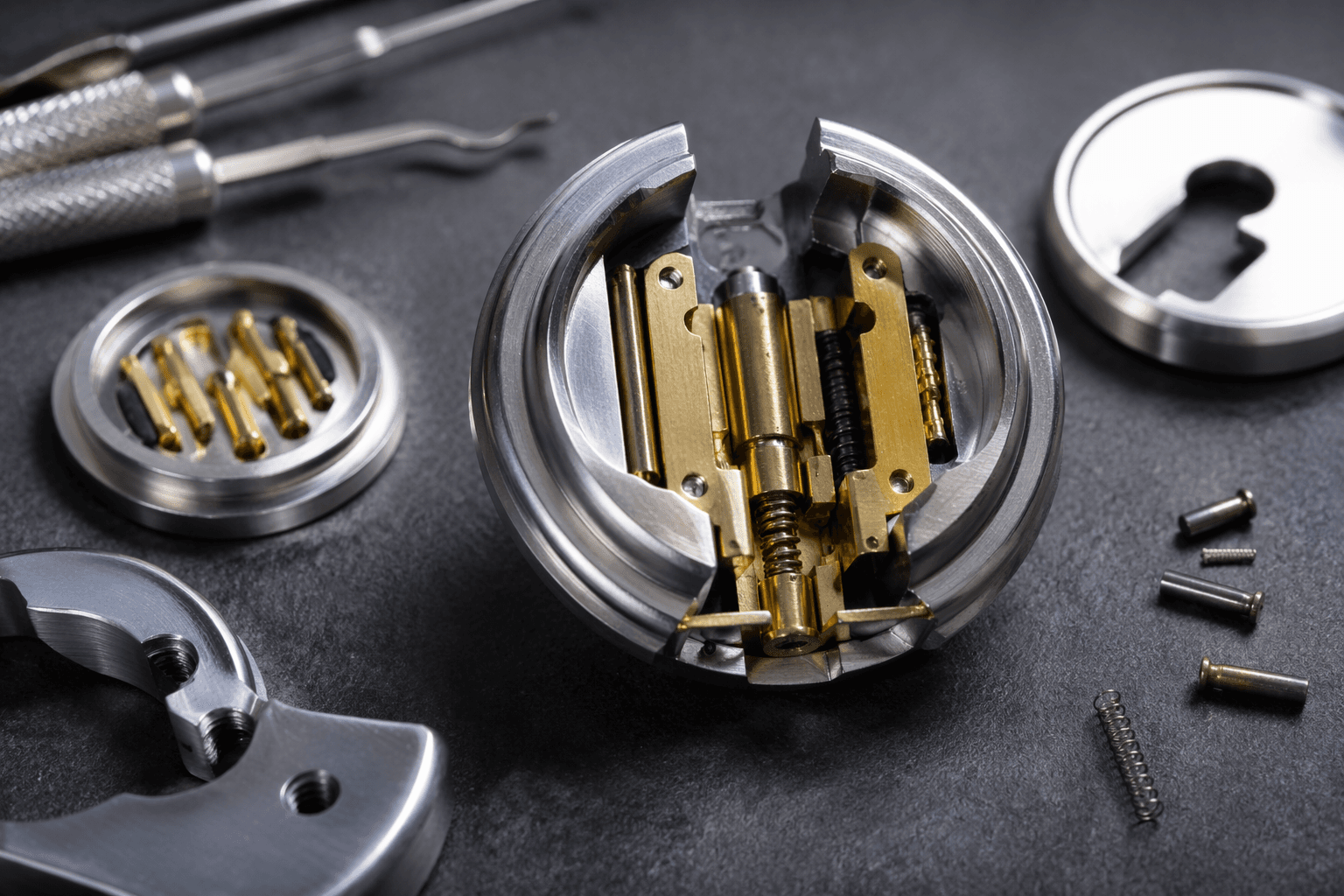
That shape also explains why these locks remain their own niche. One locksmith source notes that cruciform locks still use the pin-tumbler method, but with four shear lines, which raises the difficulty compared with a conventional single-track cylinder. Another source points out that not every cross lock is identical, because some variants have three sides and others have four. In practice, that means the lock family is defined by geometry first and by pin count second.
What a cross lock pick set is built to do
LockPickMall frames its cross lock pick set as more than a one-off gadget. The set is aimed at locksmith training, lock maintenance, and authorized security testing, which is exactly the right lane for a tool like this. If you work on cross locks, you need hardware that matches the cylinder, not a generic pick that only kind of reaches.
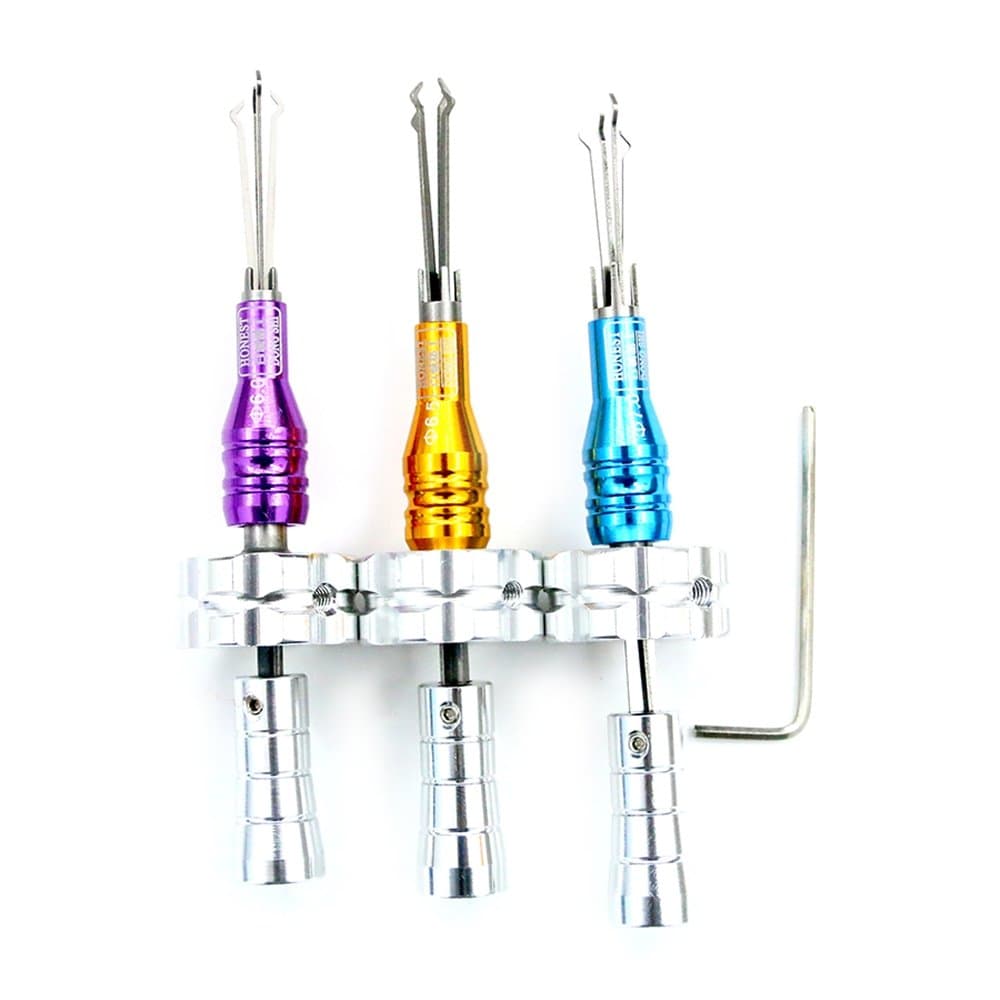
The clearest spec in the LockPickMall setup is the component breakdown: the official three-piece set includes turning foot diameters of 6.0 mm, 6.5 mm, and 7.0 mm. That matters because cross locks come in different sizes, and the turning foot has to sit correctly if you want stable control during manipulation. The company’s angle is practical, not flashy: give the user multiple specifications so they can match the tool to the lock model in front of them.
There is also a straightforward mechanical reason the special set exists. Cross pick heads are described as telescopic, with automatic brush-head merging for positioning. That gives you the reach and alignment you need when the chambers are spread around a cross-shaped keyway. It is the kind of detail that separates a tool that feels usable from one that just looks clever on a product page.
The materials are part of the design, not decoration
The LockPickMall article does a good job of spelling out the build choices, and each one serves a specific job. Stainless steel is used for the pick heads to provide elasticity and durability, which is exactly what you want when you are making repeated, controlled contact inside a tight cylinder. The bodies are made from oxidized aluminum, keeping the tool light enough to carry without giving up strength.
That balance matters more in this category than it does in more forgiving picking work. A cross lock tool has to stay controlled while reaching into a more complex internal layout, so excess weight or flex in the wrong place becomes a nuisance fast. The design goal is not brute force. It is repeatable positioning, the kind you feel immediately when the tool seats properly and the chambers line up under tension.
Where these locks actually show up
Cross locks are not just a weird museum piece for collectors of obscure cylinders. Lockpickable says they are commonly used on car dealer and real estate lock boxes, sliding glass doors, and screen doors. That tells you why the format persists: it is compact, familiar to certain installers, and still useful in everyday security hardware.
That also explains why dedicated cross lock tools are not nonsense. Hudson Lock sells a cross pick designed for 4-way cross locks, and it can also be used on 3-way cross locks if one pin is removed. That is a useful reminder that tool geometry and lock geometry have to match, but not always in a one-to-one way. The closer the tool is to the cylinder’s actual layout, the more natural the work becomes.
When the set is worth it, and when it is just extra kit
If you mostly work on standard pin-tumbler cylinders, a cross lock pick set is not going to replace your everyday kit. Cross locks are a geometry-specific problem, and that means the tool is specialized by definition. But if you run into cruciform, cross, or Zeiss locks in the field, generic tools stop being elegant and start being compromised.
That is where the three-size set makes sense. LockPickWorld and Lockpickable both market three-size cross-lock pick sets for uncommon four-sided keyways, and LockPickMall’s 6.0 mm, 6.5 mm, and 7.0 mm turning foot spread fits that same logic. You are not buying a novelty. You are buying coverage across the most likely shape differences so the tool lands where it should.
Some kits go a step further and include transparent practice locks and try-out keys. That detail is worth more than it looks like on paper, because it turns cross-lock work from guesswork into a visible system. You can actually see how the mechanism behaves instead of treating the cylinder like a black box, which is a far better way to build skill than forcing yourself through blind repetition.
The real lesson in the cylinder shape
The useful thing about LockPickMall’s guide is that it treats the cross lock as a lesson in structure, not just a shopping category. Once you understand that the keyway is plus-sign shaped, the rest of the tool design falls into place: multiple turning foot sizes, telescopic heads, durable steel, and light aluminum all answer the same problem from different angles. The lock is not difficult because it is mystical. It is difficult because the geometry demands a different kind of control.
That is why cross lock pick sets are genuinely useful skill-building tools for people who actually encounter these cylinders. They are not a universal answer, and they do not pretend to be. They are the right answer when the lock itself is built around a cross.
This article was produced by Prism’s automated news system from verified source data, official records, and press releases, then run through automated quality and moderation checks before publishing. The system is built and supervised by the people who set the standards it runs under. Read our full AI policy.
Did this article answer your question?