Meetup’s lockpicking page maps a growing global hobby network
Meetup’s lockpicking page now reads like a live map, with 14,617 members across 29 groups and fresh scenes appearing far beyond the usual hubs.
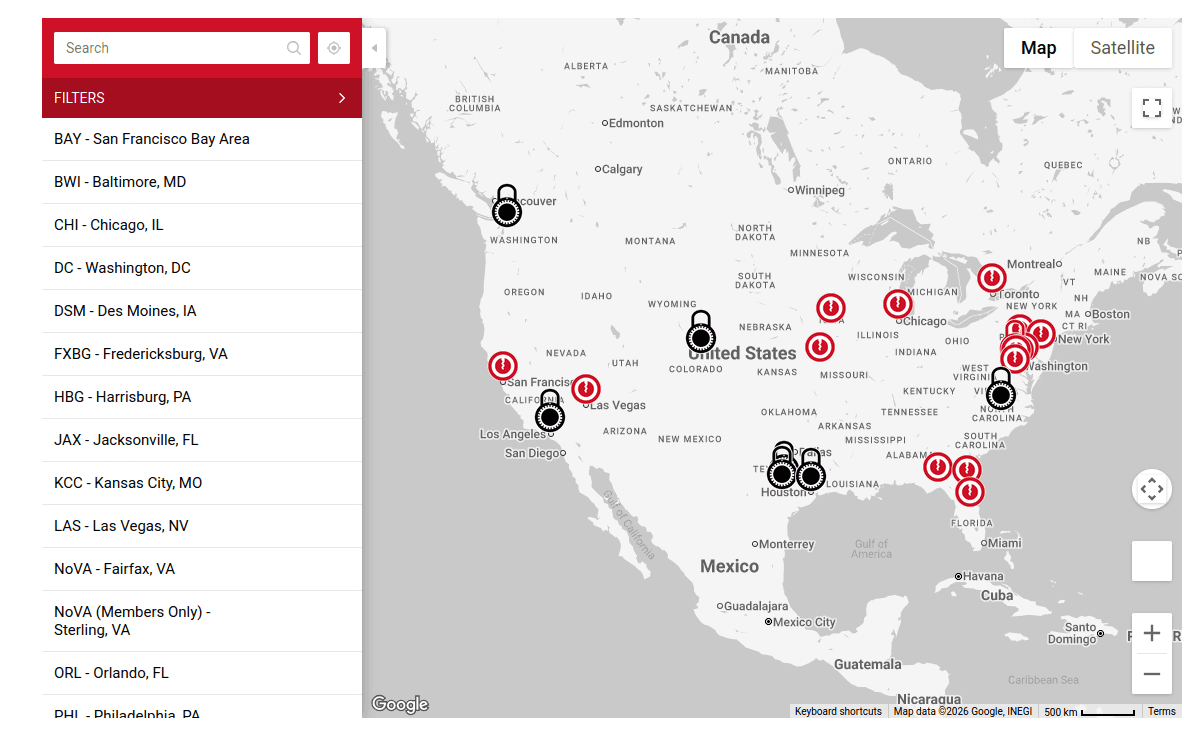
Meetup’s lockpicking page has stopped looking like a curiosity and started reading like a map of where locksport actually has roots. With 14,617 members across 29 groups, it shows a hobby that is not just surviving but seeding real rooms in real cities, from Dublin and Toronto to Singapore and Amsterdam.
A directory that shows where the hobby is alive
The big value in a page like this is not the total headcount, although 14,617 members is nothing to shrug at. It is the shape of the network. A handful of cities carry the heaviest load, with the largest communities in Dublin, Tampa, Toronto, Seattle, Austin, New York, Houston, Raleigh, Nashville, and Albany. That spread tells you this is not a one-region hobby with a few scattered satellites. It is a distributed scene with multiple strong local cores.
For lockpickers, that matters because the difference between a lonely practice session and a real scene is usually one active room. A directory that clearly surfaces those larger clusters gives newcomers a fast read on where there is already momentum, which cities have enough density to support regular meets, and where the social side of the hobby is more than an afterthought.
What the newest groups say about growth
The more interesting signal is where the newest groups are showing up. The page does not just reinforce the usual North American centers. It also points to newer communities in Las Vegas, Ankeny, Buffalo, Amsterdam, Singapore, and Pittsburgh. That is the kind of spread that suggests the hobby is still being planted, not merely maintained.
There is a practical lesson buried in that geography. When a hobby starts appearing in places that are not part of the obvious first wave, it means local organizers are still finding enough interest to build a table, gather practice locks, and get people in the same room. In lockpicking, that is how a scene becomes self-sustaining. One experienced picker, a few newcomers, and a regular meetup can turn a city from blank space into a functioning chapter.
What newcomers should actually look for
If you are trying to find an active local scene, start with the cities that already show the strongest communities on the page. Dublin, Tampa, Toronto, Seattle, Austin, New York, Houston, Raleigh, Nashville, and Albany are the places that look most likely to have regular activity, more experienced members, and a better chance of finding the basics you need: practice locks, a few people who can demonstrate tensioning, and enough feedback to make a session useful.
The page also tells you how beginners tend to search. It surfaces the questions people are most likely to ask first, like whether there are events today, this week, or near them. That is exactly how a newcomer approaches locksport at the start, by looking for the nearest low-friction entry point. A listing that answers those questions becomes more than a directory. It becomes the bridge from watching videos alone to walking into a chapter, a hackerspace, or a security meet and actually picking alongside other people.
Why the social layer matters in lockpicking
Lockpicking is easy to frame as a solo skill, but the fastest progress usually happens in a group that knows how to teach. A welcoming room with a few experienced pickers can shorten the learning curve in ways no video can. You get someone to explain tensioning, someone else to point out feedback, and a table full of training locks that make it easier to learn by feel instead of guesswork.
That is why the Meetup page matters beyond simple discovery. It turns a niche technical pastime into a social practice with visible geography. The list of 29 groups and 14,617 members shows a hobby that has enough structure to support local identity, but still enough openness that a newcomer can show up without needing insider status first.
Where the gaps point to opportunity
The page is just as useful for spotting absence as it is for spotting activity. Once you can see the strongest clusters and the newest outposts, the blank spaces in between become obvious. Those gaps are where the next groups can form, especially in places with enough curiosity to support a first meet but not yet enough density to appear as a major cluster.
That is the real takeaway from the current map. Locksport is still grassroots, still locally organized, and still growing city by city. The biggest clusters show where the hobby already has momentum, while the newer groups show where that momentum is spreading next. For anyone looking for a place to plug in, the page now works the way a good lock does: it tells you where the right pressure points are, and where the door is already starting to move.
This article was produced by Prism’s automated news system from verified source data, official records, and press releases, then run through automated quality and moderation checks before publishing. The system is built and supervised by the people who set the standards it runs under. Read our full AI policy.
Know something we missed? Have a correction or additional information?
Submit a Tip