Milwaukee Packout helps locksmiths streamline large master-keying jobs
A 100-plus-lock master-keying run shows why a rolling Packout can turn dead time between doors into real output.
The bottleneck is not the lock work
After 35-plus years in the trade, Terry at Mr. Locksmith says the hardest part of a big job was never the cylinders, cores, or hardware. It was the back-and-forth, hauling tools and parts from one door to the next until the jobsite itself became the enemy.
That point lands hardest on a master-keying project with more than 100 locks. Once the work gets that large, every extra walk to the truck burns time, breaks rhythm, and adds fatigue. A rolling Milwaukee Packout setup changes the job from a string of interruptions into one moving workstation.
Why a rolling Packout changes the pace
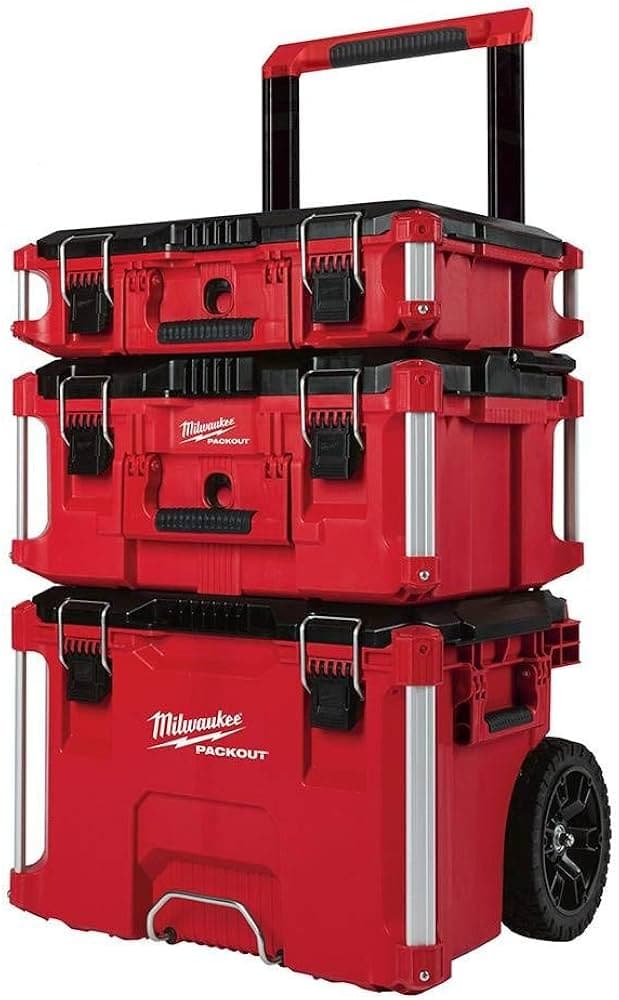
Milwaukee Tool positions PACKOUT as a modular storage system built for tool transportation, organization, and storage across jobsites, transit, vans, and shops. The system is built around interchangeable, interlocking boxes, organizers, totes, drawers, and bags, so the layout can follow the work instead of fighting it.
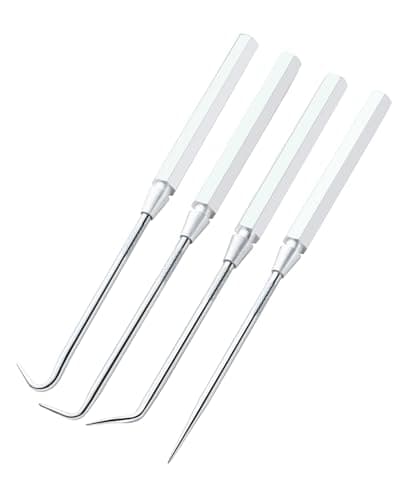
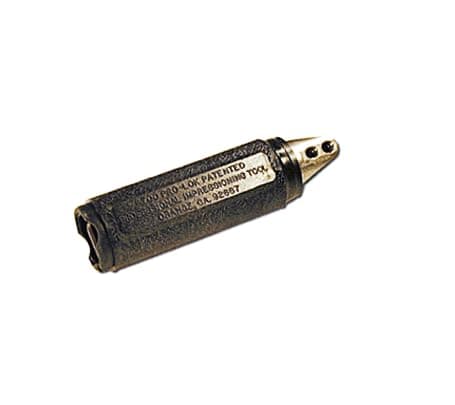
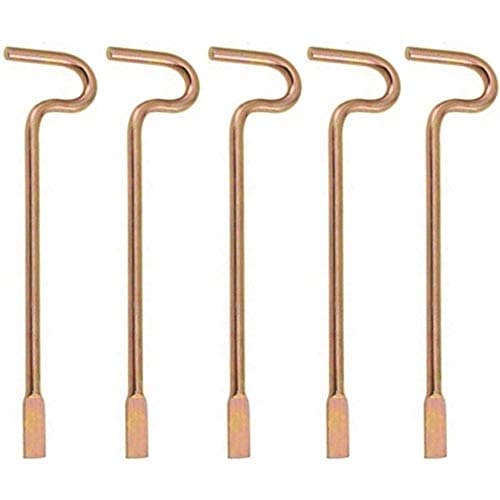
For locksmithing, that matters because the job is full of small, easy-to-misplace parts. Picks, tensioners, plug followers, key blanks, cylinders, screws, springs, and spare hardware need to stay separate, visible, and reachable. When they do, you spend your time rekeying, installing, and master-keying instead of digging through a pile of mixed gear.
The practical gain is simple: less downtime, less fatigue, fewer interruptions, and a cleaner workflow in front of the client. On a commercial or institutional run, that is not a nice-to-have. That is the difference between a job that feels controlled and one that feels like you are losing ground all day.
The Packout pieces that actually matter
The rolling tool box is the obvious anchor here. Milwaukee markets it with a 250-pound weight capacity and all-terrain wheels, which tells you exactly what it is for: moving a heavy, loaded setup without turning every doorway and threshold into a wrestling match. On a large master-keying job, that mobility is the whole point.
The organizer matters just as much, maybe more. Milwaukee says its organizer has an IP65-rated weather seal and 10 removable bins, which is exactly the kind of compartmentalized layout a locksmith needs when small parts can disappear into one ugly mixed bin. If you are separating lock hardware from picks and tensioners, or keeping spare pins, clips, and fasteners sorted by size, those bins are the difference between grabbing the right piece in seconds and losing five minutes to the search.
The broader PACKOUT family also helps the system make sense as a jobsite platform, not just a stack of boxes. Milwaukee says the platform had grown to more than 65 solutions in a 2021 press release, and later added eight new tool box attachments in 2024. That kind of expansion is what makes a modular system useful over time, because you can build out from the basic rolling box into a layout that matches the way you actually work.
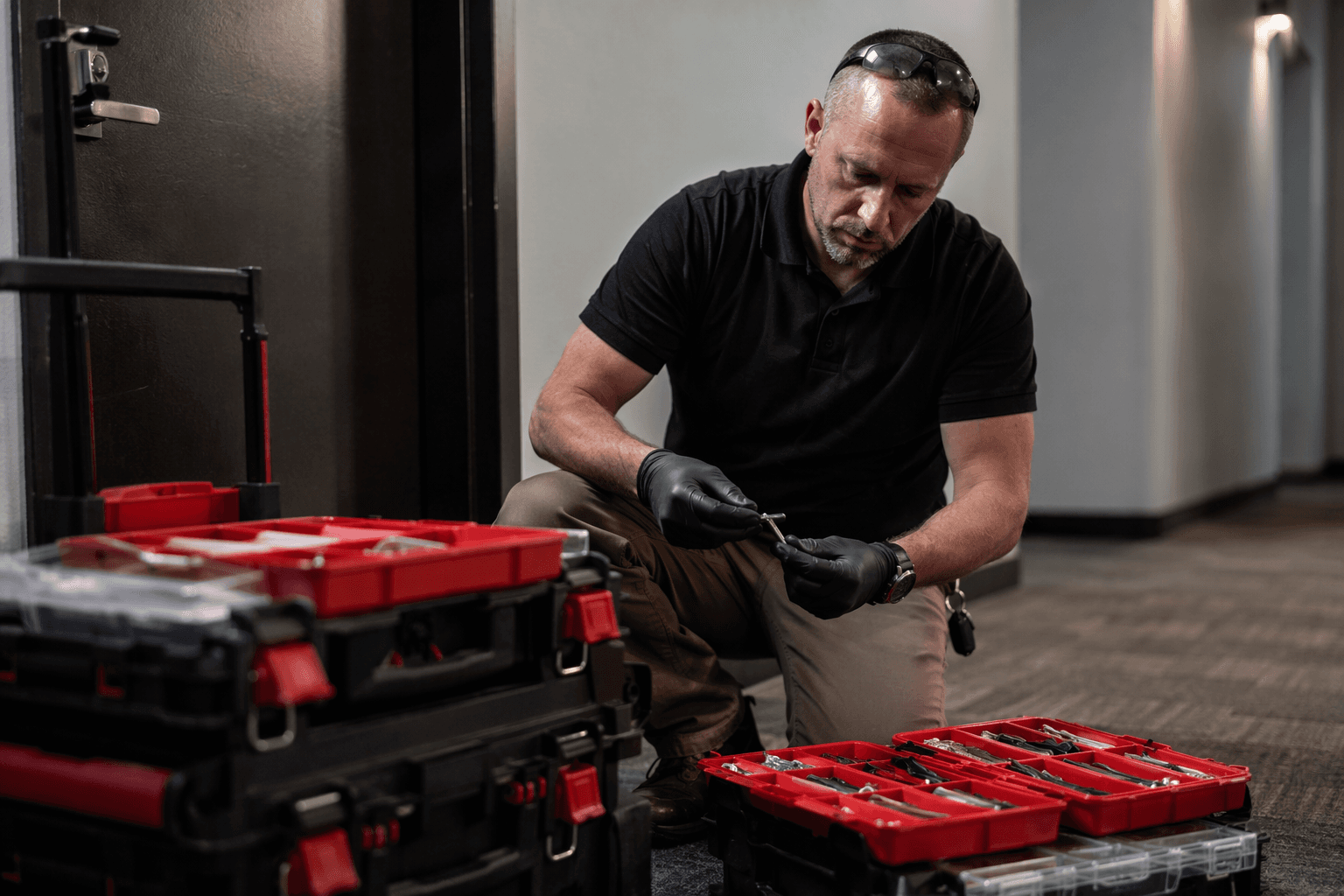
What better layout changes on a real locksmith job
This is where the story stops being about storage and becomes about performance. A good Packout layout cuts the number of times you have to return to the van, which keeps the job moving and keeps your hands on the work. It also makes the kit easier to supervise, because every tool has a place and every missing item is obvious fast.
- one compartment for picking tools and delicate gear
- one for master-keying hardware and job-specific parts
- one for spare cores, cylinders, screws, and small consumables
- one for the heavy, dirty stuff that does not belong near fine tools
A sensible locksmith setup breaks the load into pieces:
That separation matters on a master-keying run because the same cart might need to carry entry tools, rekeying gear, and replacement hardware without turning into a jumble. It also makes tool loss less likely, which is a real cost on commercial work where a missing part can stall the whole sequence at one door.
Mr. Locksmith’s earlier 2024 truck makeover points in the same direction. The service truck was treated as an organized workspace, not just a storage bin on wheels, and a later Packout review tied the system to automotive locksmith tasks like rekeying locks, programming car keys, and security upgrades. That is the same idea expressed three different ways: the better the layout, the less energy you waste moving around the job instead of finishing it.
Why this matters beyond one brand of box
The deeper lesson here is not that you need Milwaukee gear to be serious. It is that large locksmith jobs scale badly when your service vehicle, hand-carry cases, and jobsite workflow are all separate systems. Once those pieces operate as one moving workstation, the job gets faster, cleaner, and easier to control.
Milwaukee’s own ONE-KEY materials reinforce that logic by framing digital inventory and asset management as productivity tools for contractors. For locksmiths, that lines up with the reality of master-keying, where small parts, key blanks, and hardware are easy to misplace and expensive to lose track of. Organization is not decoration on jobs like this, it is part of the production process.
That is why the more than 100-lock master-keying example hits so hard. The issue was never whether the lockwork could be done. The issue was whether the setup let Terry keep moving without dragging the whole job behind him, and once the Packout became the rolling center of the work, the dead time between doors stopped owning the day.
This article was produced by Prism’s automated news system from verified source data, official records, and press releases, then run through automated quality and moderation checks before publishing. The system is built and supervised by the people who set the standards it runs under. Read our full AI policy.
Know something we missed? Have a correction or additional information?
Submit a Tip