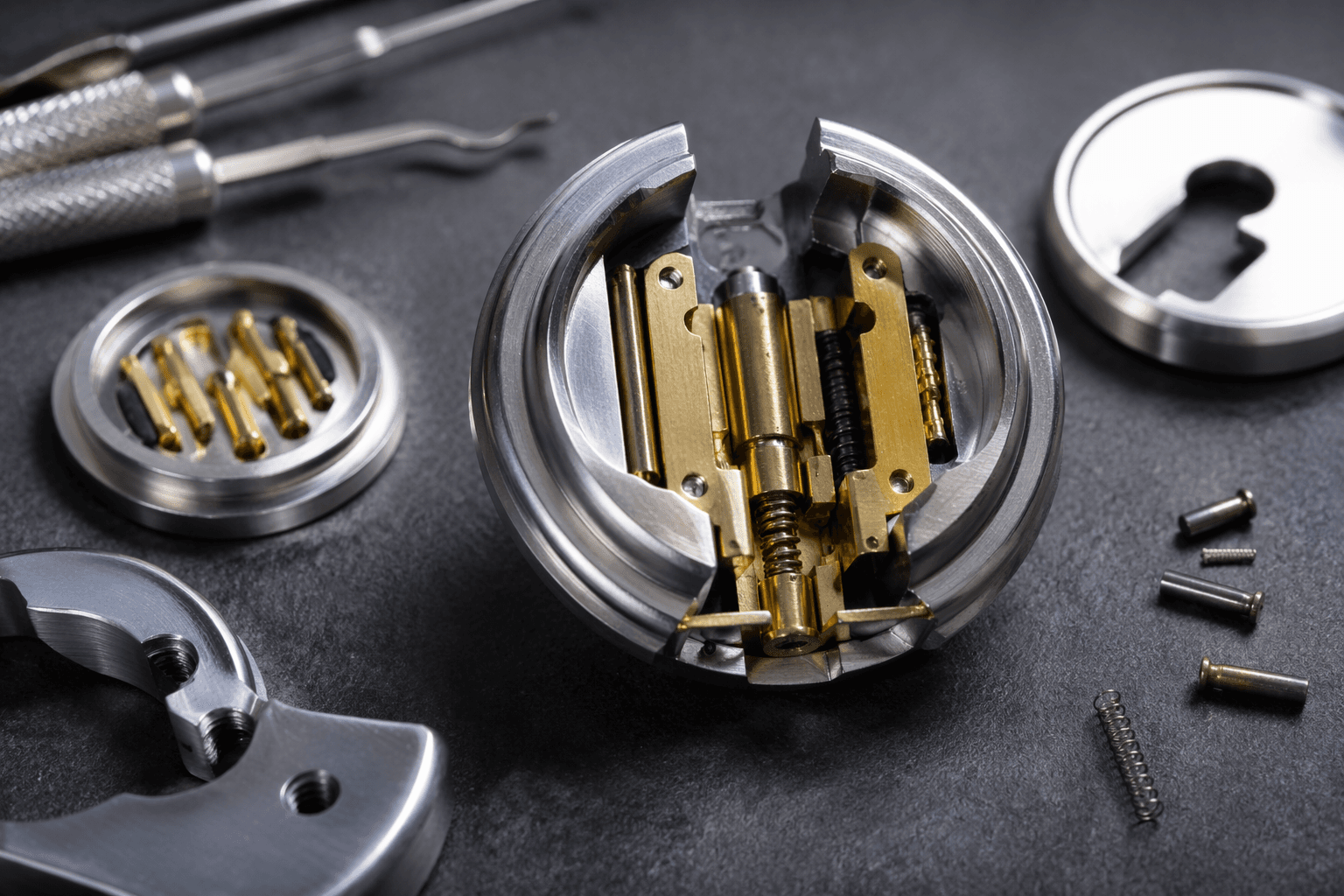
Null Space Labs keeps lockpicking at the heart of maker culture
NSL proves lockpicking works best as part of a real makerspace: open doors, repeat Fridays, and a room full of hardware, security talk, and practice.
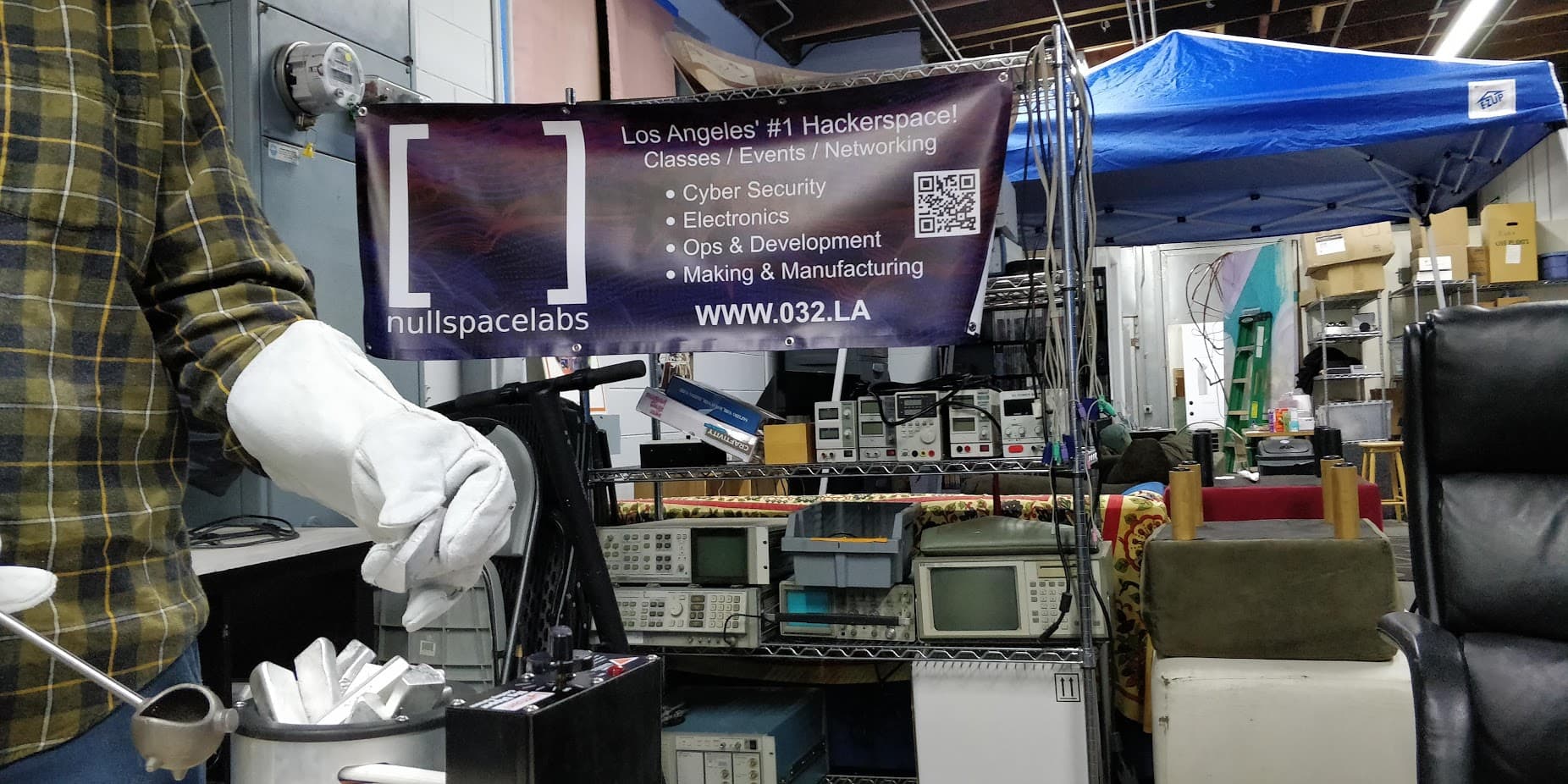
NSL's lockpicking night doesn't need a flashy topic to matter. The June 19 session is listed as “NSL Lockpicking - Topic TBA!”, but the real story is the structure around it: 7:00 PM to 11:00 PM PDT at 2522 N Ontario St in Burbank, hosted by Datagram and Dementia, and set to repeat every third Friday until January 20, 2028. That is not a throwaway calendar item. It is a standing part of the local maker scene, built to keep the hobby visible and easy to enter.
The hackerspace is the point
Null Space Labs presents itself as a Los Angeles-area hackerspace built around electronics, hardware, software development, computer security, lock picking, and more. That matters because lockpicking at NSL is not isolated from the rest of the shop floor. It sits beside the kind of infrastructure that turns curiosity into real hands-on learning: an extensive hardware lab, a tool room, electronics benches, a laser cutter, a Haas CNC mill, and a vinyl cutter.
NSL also says it runs with an “Open Door” policy when it is open, and that Tuesday nights are public open nights. The space is near Burbank Airport, which gives the whole operation a very practical footprint in the Los Angeles maker and infosec ecosystem. If you are trying to understand why lockpicking survives as a social hobby instead of fading into a niche demo, this is the answer: it is embedded in a place where people already gather to build, break, tinker, and teach.
A recurring night changes the skill curve
NSL Lockpicking meets every third Friday from 7 pm to around midnight to pick locks, open safes, learn about physical security, and socialize. That mix is the important part. It tells you the event is not only about turning a cylinder, but about giving people enough time, repetition, and conversation to actually understand what they are doing.
The calendar has real depth behind it. Independent references place Null Space Labs’ origin in May 2010, and one source describes it as Los Angeles’ oldest hackerspace. A forum post says the lockpicking meeting started in May 2010 and had grown to at least 20 attendees at each meeting, plus additional people there for general hackerspace activity. That kind of attendance says the night became more than a meetup. It became a reliable learning lane where newcomers could show up, stay longer, and absorb the basics in a room that already knew how to teach.
What NSL's model gets right
The value of the June 19 event is not the mystery of its topic. It is the repeatability around it. NSL has built a schedule where lockpicking, open nights, and broader maker work all reinforce each other instead of competing for attention.
- The every-third-Friday rhythm gives people a predictable place to practice without needing a new pitch every month.
- The public Tuesday open nights lower the barrier to entry, so lockpicking does not live behind a private club feel.
- The Open Door policy means the space itself is part of the welcome, not just the event listing.
- The hardware lab, tool room, laser cutter, Haas CNC mill, and vinyl cutter put lockpicking next to other technical disciplines, which is how the hobby stays connected to real maker culture.
- The long run, from May 2010 through the current calendar and out to January 2028 for the Friday meetup, gives the community continuity that most small hobby scenes never get.
That continuity matters because lockpicking is learned by touch and repetition. One night with one lock rarely does much. A recurring room full of people, tools, and adjacent skills gives you the chance to compare feedback, try different tension, and keep coming back until the movement starts to make sense.
Beginner access is built into the program
NSL's lockpicking culture is not framed as a gatekept expert circle. A recent NSL lockpicking-related event focused on safecracking and said it would provide loaner picks, locks to practice on, experienced pickers, and training aids for beginners. That is a very specific kind of hospitality, and it tells you how the space thinks about the hobby. The barrier is not supposed to be gear, status, or insider knowledge. The barrier is supposed to be your willingness to sit down and learn.
That approach lines up with the older meeting format. If the room already has loaner tools, practice locks, and people who know the difference between brute force and patient feedback, then the first night stops feeling like a test. It becomes a start point. In a scene like this, the most useful thing a hackerspace can offer is not a spectacular lock or a dramatic reveal. It is enough repetition, enough access, and enough conversation to let the basics sink in.
Why this keeps the hobby healthy
NSL's Burbank setup shows how lockpicking stays healthy inside maker culture when it is treated as one thread in a larger technical fabric. The space is open enough to welcome visitors, structured enough to keep a standing Friday night alive for years, and broad enough to connect physical security with electronics, hardware, and software work. That is the model: not a one-off demo, but a community where the tools are nearby, the people are already there, and the next session is already on the calendar.
The June 19 listing with “Topic TBA!” says almost nothing on its face, and that is exactly why it works as a case study. The topic can change; the ecosystem does not. In a room like NSL, the real lesson is that lockpicking becomes part of the culture when the culture keeps showing up.
This article was produced by Prism’s automated news system from verified source data, official records, and press releases, then run through automated quality and moderation checks before publishing. The system is built and supervised by the people who set the standards it runs under. Read our full AI policy.
Did this article answer your question?