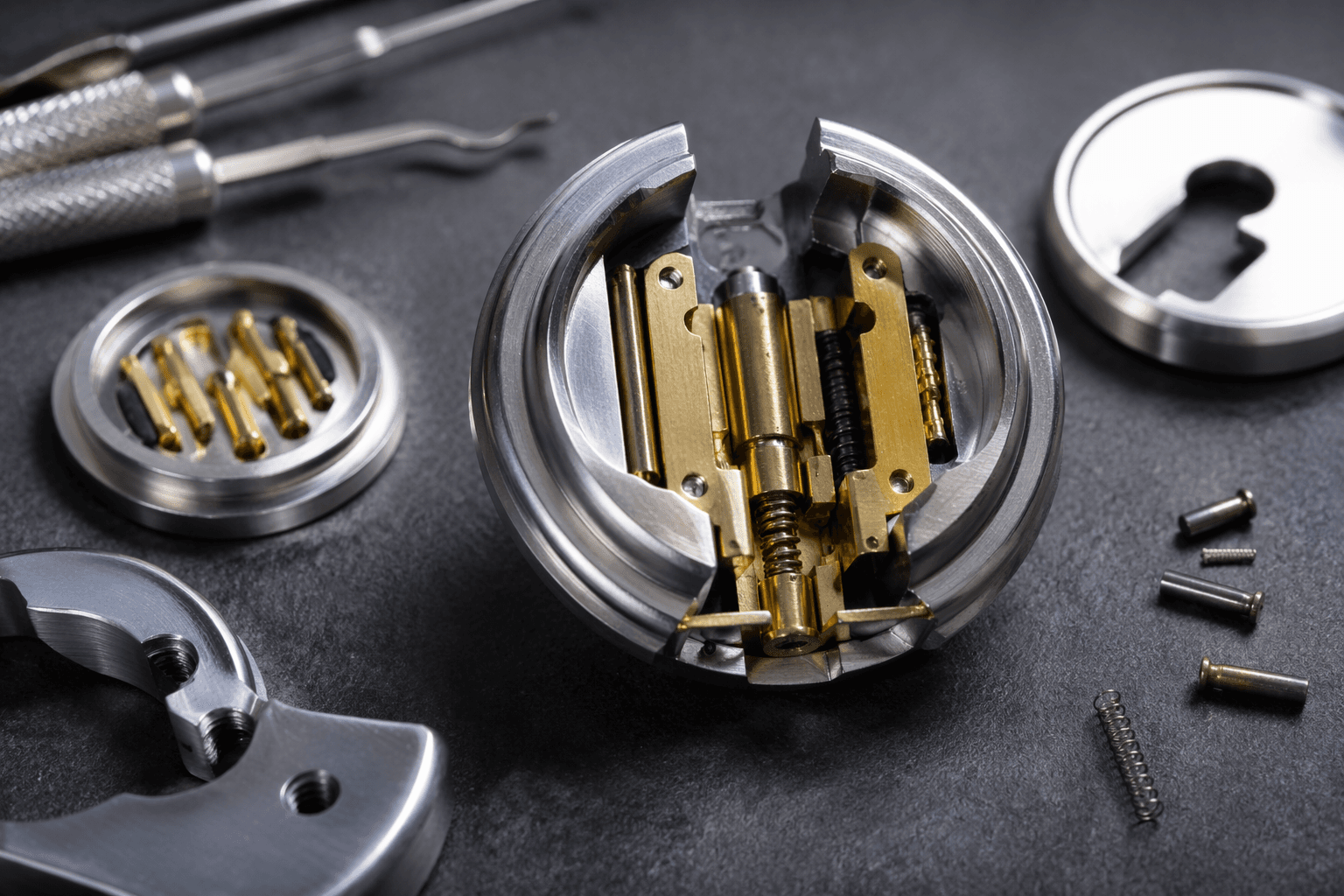
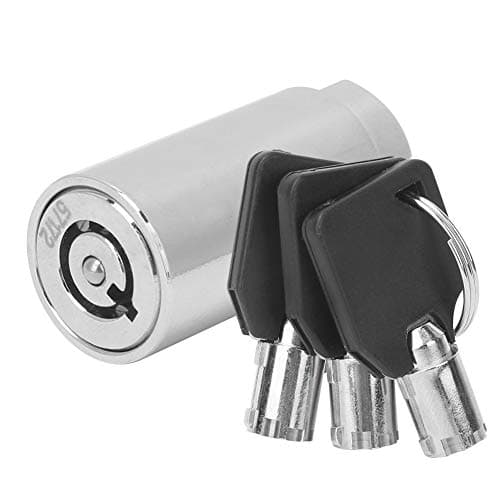
Oak City Locksport keeps lockpicking open, legal, and welcoming to beginners
Oak City Locksport turns a Raleigh brewery meetup into a beginner-friendly locksport blueprint: shared gear, no fees, and hard legal lines keep it open.
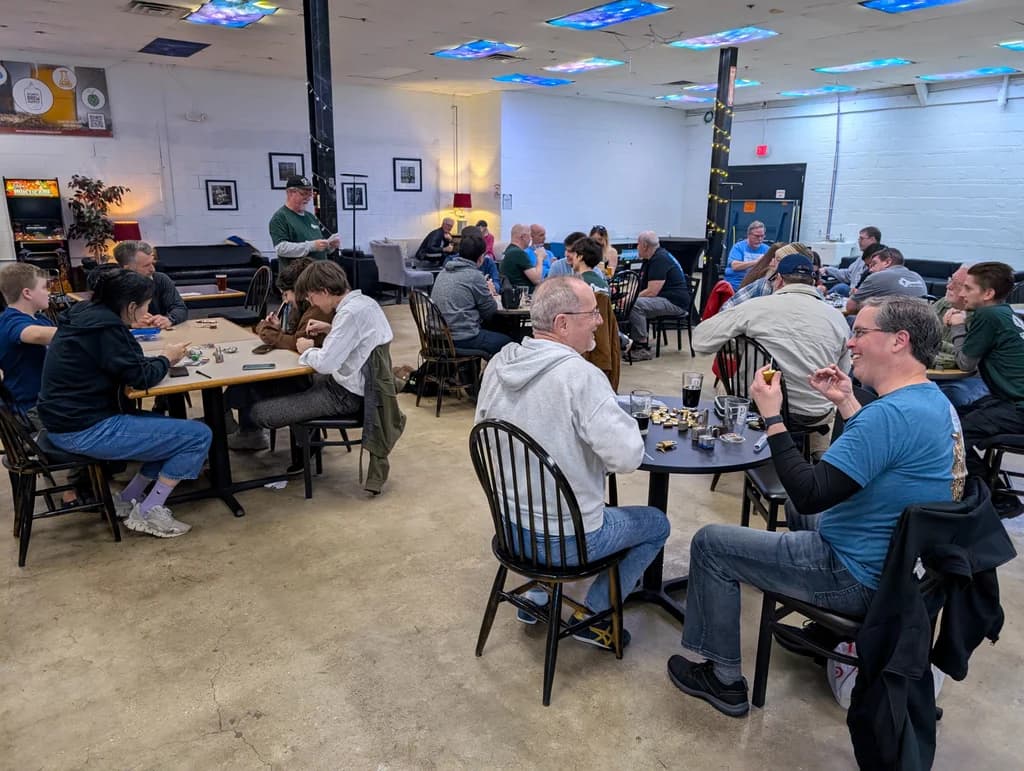
Oak City Locksport keeps lockpicking in a public room, at Raleigh Brewing Company, with a monthly meetup built to welcome first-timers instead of fencing them out. Founded in 2010 by Katie, known as sq33k, and led today by Patrick, known as unregistered436, the Raleigh group sits close to TOOOL without being a chapter itself, while still tracing its roots to Deviant Ollam and that broader locksport network.
A monthly room that lowers the barrier
The format is the first thing other clubs should copy: once a month, Oak City meets to pick locks, share interesting locks or projects, and have a beer with friends. The club does not treat beginner access as a side benefit. It says newcomers are welcome, there are no startup costs or membership fees, and community locks and picks are on hand so a first meetup does not require a gear purchase.
That matters because the group is not tiny or private. The Meetup page lists 643 members, yet the tone is still neighborhood-level and hands-on, with a clear expectation that people will show up, try something, and learn the basics in the room. Oak City also says most people eventually buy their own picks once they are hooked, which is exactly how a healthy chapter should work: reduce the first hurdle, then let commitment build naturally.
The legal guardrails are part of the onboarding
Oak City does something a lot of hobby groups miss: it states the rules up front. Members are told not to pick locks they rely on, not to pick locks they do not own without explicit permission, and not to offer paid lock-picking services unless they are licensed as locksmiths in North Carolina. That is not overcaution, it is the club making the legal line visible before anyone turns a cylinder.
North Carolina law backs that posture up. The Locksmith Licensing Act says licensing is necessary to protect public health, safety, and welfare, and the state’s locksmith board says that after October 2013, providing locksmith services without a license can be a Class I misdemeanor, with subsequent arrests potentially charged as a Class I felony. The same chapter defines locksmith services broadly enough to cover bypassing a locking mechanism for compensation, which is why the club keeps the beginner room separated from any hint of paid work.
The caution goes further than house locks. North Carolina law also makes it unlawful to possess a motor-vehicle lock-picking device with intent to commit any felony, larceny, or unauthorized use of a motor-propelled conveyance. For a locksport chapter, that is the exact sort of statute that belongs in the same breath as community tools and practice locks, because it tells newcomers where hobby ends and criminal intent begins.
The nonprofit structure gives the club staying power
Oak City is not just a meetup with a good vibe. The wiki says it is organized as a North Carolina educational nonprofit corporation and a federal 501(c)(3), and that all board members are volunteers who receive no compensation. That structure gives the chapter a steadier footing than a loose chat group or a one-off training night, because it formalizes stewardship without turning the club into a commercial outfit.
The lock library shows the same discipline. It is available only to active members who attend meetings, and loans are handled at Patrick’s discretion under a signed Loan Agreement. That is a smart middle ground for any club that wants to share better gear without watching it disappear into a backpack forever. It keeps the community inventory tied to participation, accountability, and trust.
The conference circuit keeps the chapter plugged into infosec
Oak City also refuses to stay indoors. Its meetup and wiki both note Lockpick Village appearances at regional security conferences such as CackalackyCon and BSidesRDU, and the wiki adds Raleigh ISSA’s Triangle InfoSeCon to that list. That is a strong model for other chapters, because it moves locksport from a closed hobby circle into the broader security conversation where the educational value is easier to see.
The result is a chapter that feels local without becoming small. The same beginner-friendly tools that work at a monthly meetup also work on a conference floor, where a table, some practice locks, and a little instruction can turn a curious bystander into someone who understands why physical security is never just theoretical.
The origin story still explains the culture
The club’s own history makes the blueprint easier to read. A member account remembers the first lock-picking meeting in sq33k’s small downtown Raleigh apartment in 2010, with a thrift-store coffee table, a shoebox of locks donated by Deviant Ollam at The Open Organisation of Lockpickers, and Cyrus in the room while the group bonded over a beer. That is not a polished launch story. It is a hobby becoming a community in real time, one cheap table and one shared box at a time.
That early setup is still the lesson. Start with a regular date, make the room public enough that new people feel safe walking in, share the gear, and write the rules down where everyone can see them. Oak City Locksport has kept that formula alive long enough to show that locksport can stay open to beginners without going soft on depth, legality, or standards.
This article was produced by Prism’s automated news system from verified source data, official records, and press releases, then run through automated quality and moderation checks before publishing. The system is built and supervised by the people who set the standards it runs under. Read our full AI policy.
Did this article answer your question?