Why a lock library accelerates locksport skill building
A lock library turns practice into a syllabus, with each lock family teaching a different kind of feedback, failure, and control.
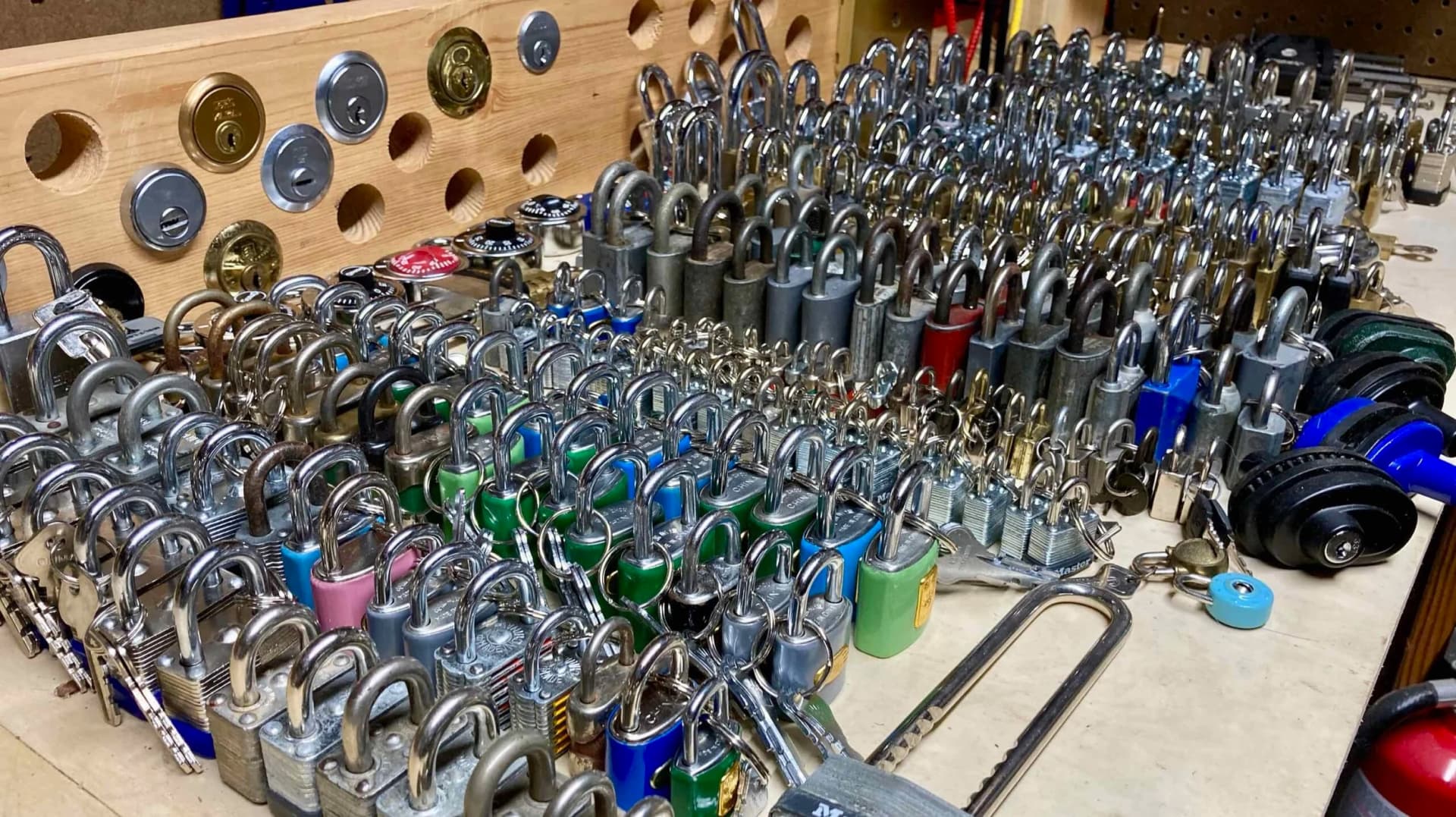
A five-pin Weiser is a fine first lock, but practicing on the same easy padlock is the fastest way to stall in locksport. A lock library turns repetition into progression: every lock in the pile teaches a different feedback pattern, tolerance, or failure mode. The goal is not to own more hardware. The goal is to build a collection that gets harder, stranger, and more instructive on purpose.
Treat the collection like a syllabus
That idea fits the hobby’s own structure. The Open Organisation Of Lockpickers advances public knowledge about locks and lock picking through teaching, research, and competition, and its U.S. branch is a 501(c)(3) registered nonprofit corporation that is legally separate from the founding organization in the Netherlands. TOOOL NL was founded in Amsterdam in 2002, TOOOL USA followed in 2005, TOOOL UK formed in 2014, and TOOOL Australia was founded in 2019.
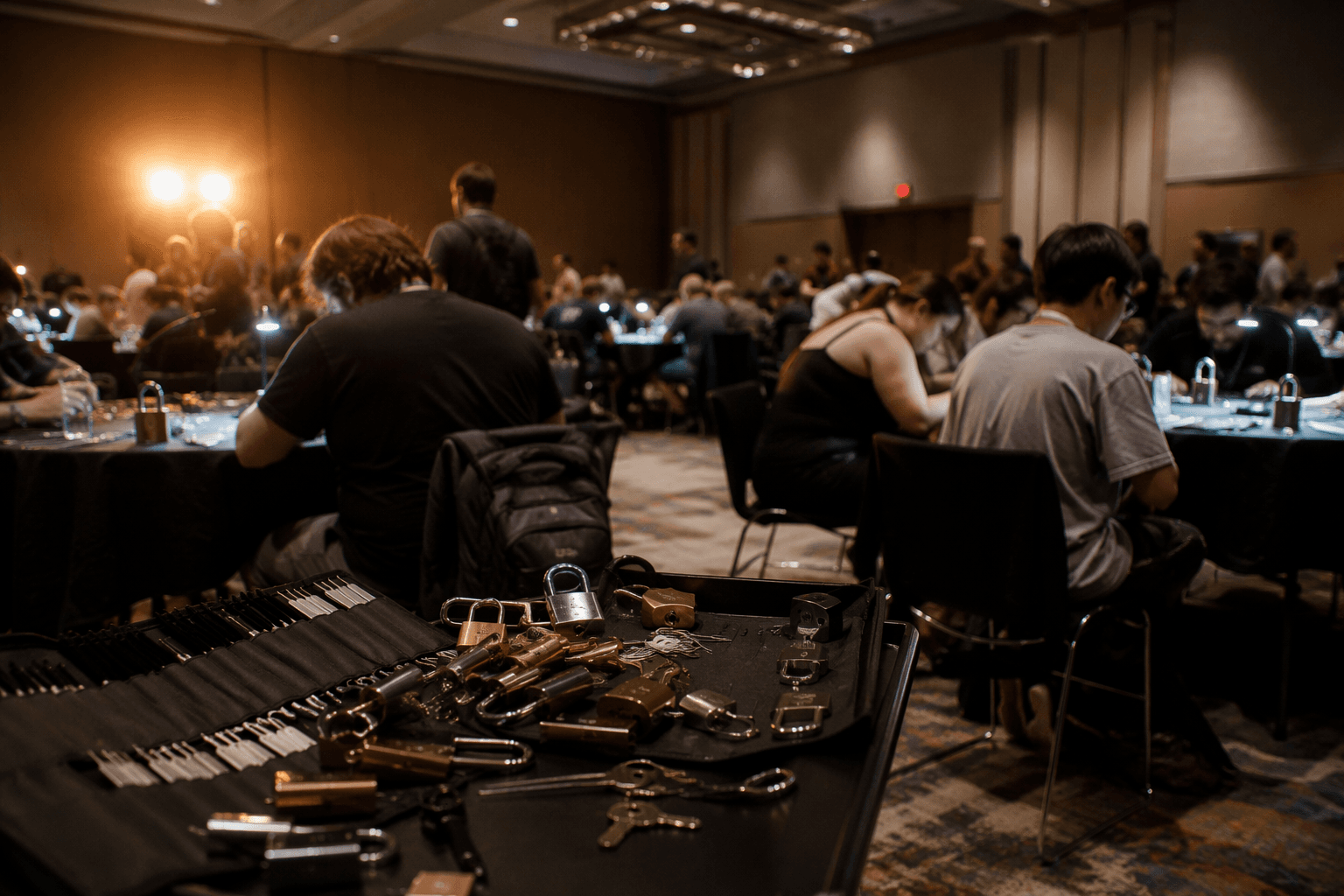
TOOOL organizes public education initiatives, lectures, talks, hands-on workshops, and “Lockpick Villages” where attendees can learn, play, and socialize. A lock library mirrors that structure at home: it gives you a path from basic feedback to advanced diagnosis instead of a random tray of brass.
Start with pin tumblers, but do not stop there
A good library usually begins with familiar pin-tumbler locks, because that is where most people learn tension control, binding order, and the feel of a clean set. The classic example is the five-pin Weiser in a lock-picking competition story published in WIRED 13.02 in February 2005. That kind of basic pin-and-tumbler lock is still useful, not because it is exotic, but because it gives clean, readable feedback when your tension hand is honest.
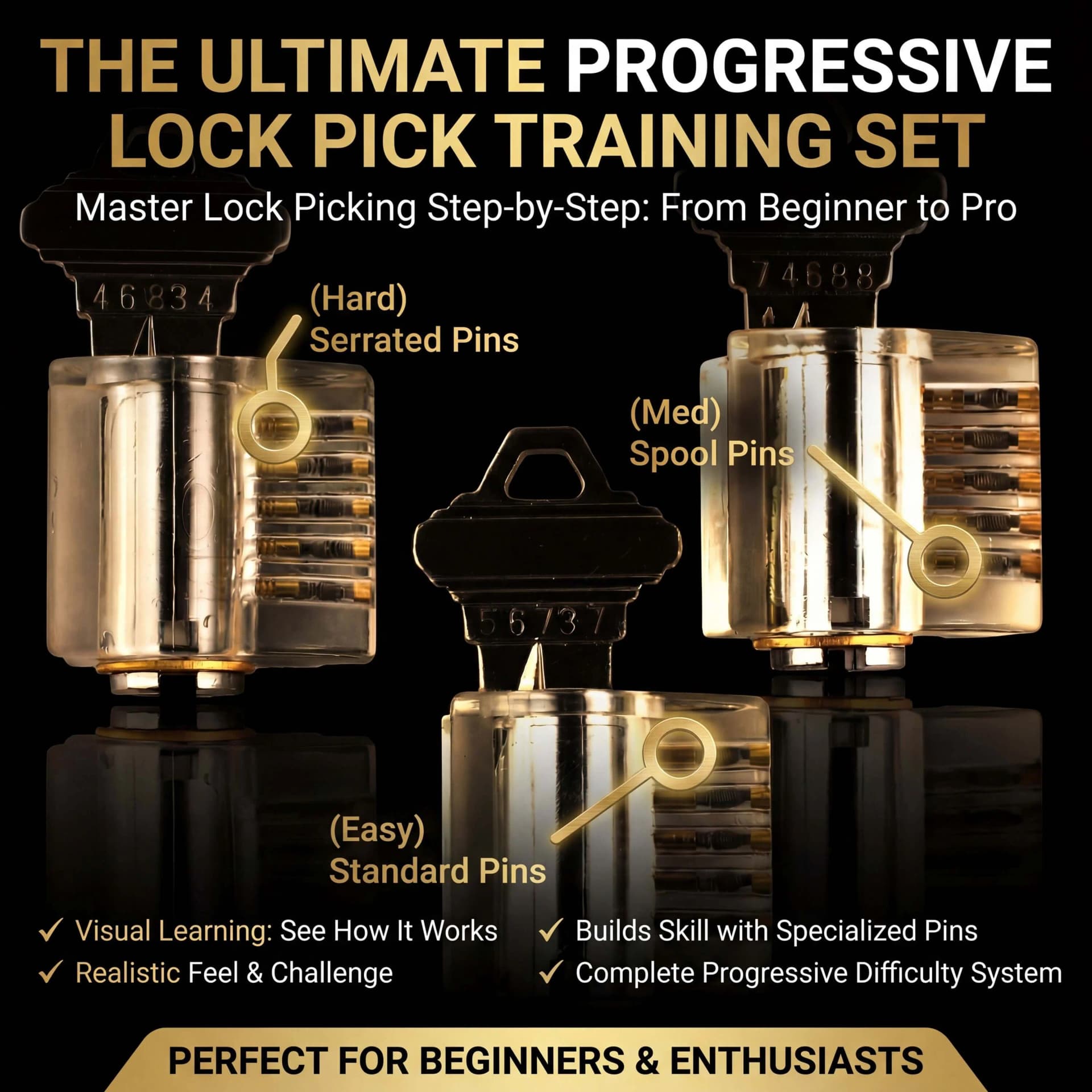
From there, add clear or cutaway training locks. They let you see the driver pins, key pins, and shear line as you work, which is invaluable when you are still learning what a false set feels like versus what a real one feels like. Standard padlocks in different difficulty bands belong here too, especially when you keep the brands and models varied rather than buying five copies of the same easy lock.
The subtle lesson comes from comparison. Two locks from the same brand can feel very different if one has tighter tolerances, a paracentric keyway, or security pins. That is where a library starts paying off, because the differences force you to adjust your pick angle, hook depth, and tension instead of autopiloting the same move.
Use repinned cylinders and challenge locks to make practice analytical
Once the basic feedback is there, repinned practice cylinders and challenge locks turn the hobby into a lab. These are the locks where you can document what changed: pin stacks, spring force, spool or serrated drivers, false sets, and counter-rotation. That makes each attempt less like brute force and more like diagnosis.
Challenge locks are especially useful because they expose the gap between what you think you felt and what actually happened inside the plug. A lock that gives a deep false set, then counter-rotates when you touch the wrong pin, teaches more in one session than a dozen identical beginner padlocks. If you keep notes on what changed between sessions, you can revisit the same model after your feedback improves and see whether your hand is finally reading it correctly.

This is also where collection-building becomes useful even for veterans. One repinned cylinder may have heavier spring force; another may swap in serrated drivers; a third may be tuned so lightly that the feedback feels mushy instead of crisp.
Add mechanisms that change the language of feedback
A lock library gets more valuable when it crosses mechanism families. Tubular pin tumbler locks, also called ace locks, circle pin tumbler locks, or radial locks, typically have six to eight pins arranged in a circular pattern. They force a different spatial read on the lock face and a different rhythm in the tool hand than a standard inline pin tumbler.
Disc-detainer locks go even further by using rotating discs instead of pins. Dimple locks, lever locks, and other high-security cylinders ask for different motion, different feedback discipline, and often different tooling altogether. You do not need to master every family immediately, but each one teaches a new way of listening to a lock.
LockCon, the Dutch TOOOL conference, is an international conference about locks that covers mechanical and electrical locks, lockpicking, impressioning, safe locks, lever locks, old and new locks, and new developments. A library built with that kind of range prepares you for the exact mix you encounter at workshops, meetups, and competitions.
Record the metadata or the collection turns into clutter
A serious library needs recordkeeping as much as it needs brass. The practical metadata is straightforward: keyway profile, plug type, whether the core is removable, pinning configuration, brand, model, and any modifications made by a challenge-lock builder. Without that, the lock you picked last month becomes just another cylinder in a box.
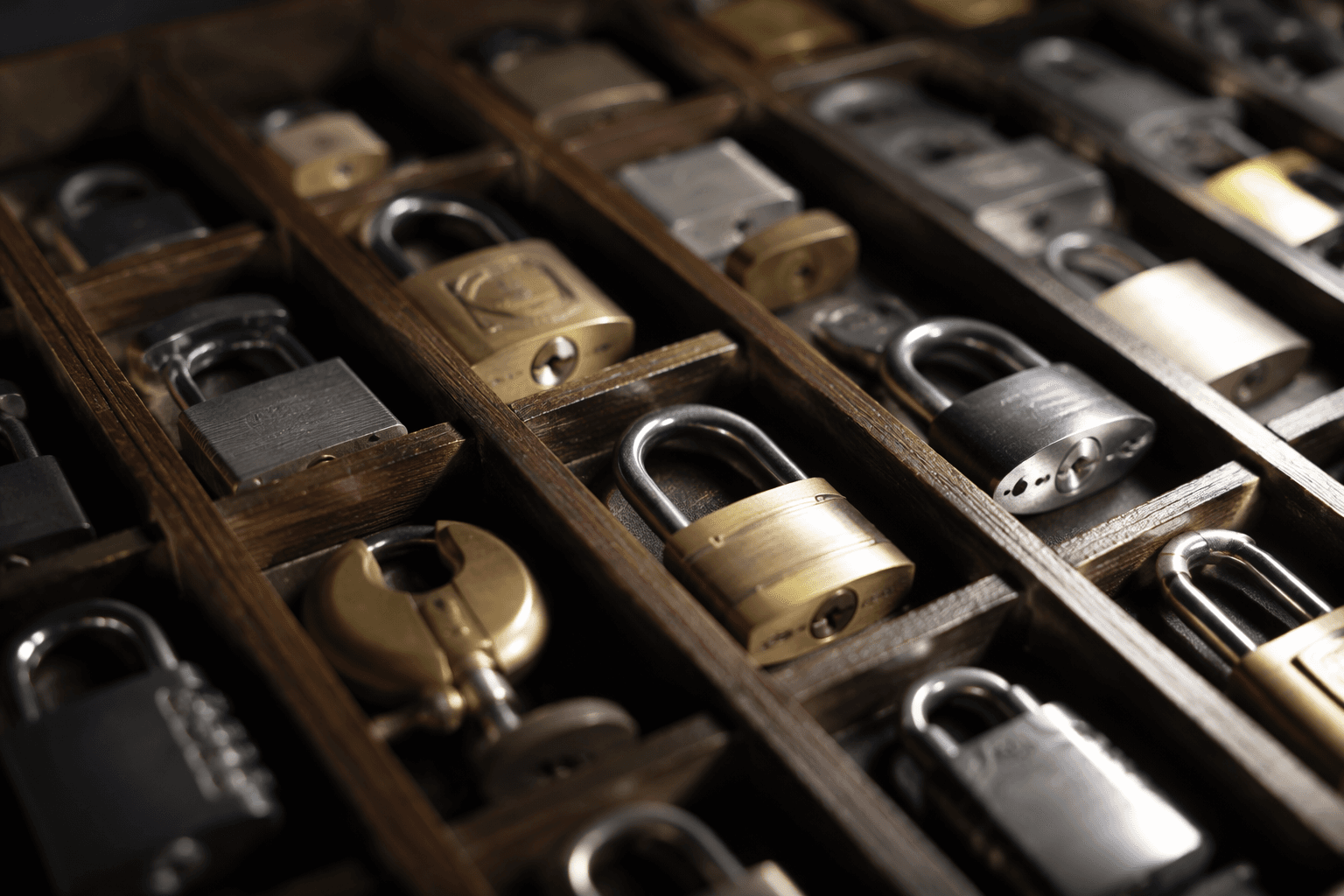
Rotation strategy matters too. Many hobbyists sort their collection into tiers such as training, daily practice, solved, challenge, and reference. That keeps a session intentional, because you are not just reaching for whatever is closest. You are choosing whether you want a warm-up, a workpiece, or a benchmark.
The best libraries also preserve solved locks instead of retiring them too quickly. A lock that once took twenty minutes and now opens in two can tell you more about progress than a brand-new novelty cylinder ever will. When you come back to a familiar Schlage-style cylinder after building experience on other mechanisms, the feedback arrives faster because your hands have already learned to sort mushy from crunchy, over-sprung from precise.
This article was produced by Prism’s automated news system from verified source data, official records, and press releases, then run through automated quality and moderation checks before publishing. The system is built and supervised by the people who set the standards it runs under. Read our full AI policy.
Did this article answer your question?