Commander attack locks can quietly control the whole table
Attack-lock cards can buy you the turns that matter, but in Commander they also flirt with prison-play misery. The difference is whether you can break parity or just freeze the table.
The real job of an attack lock
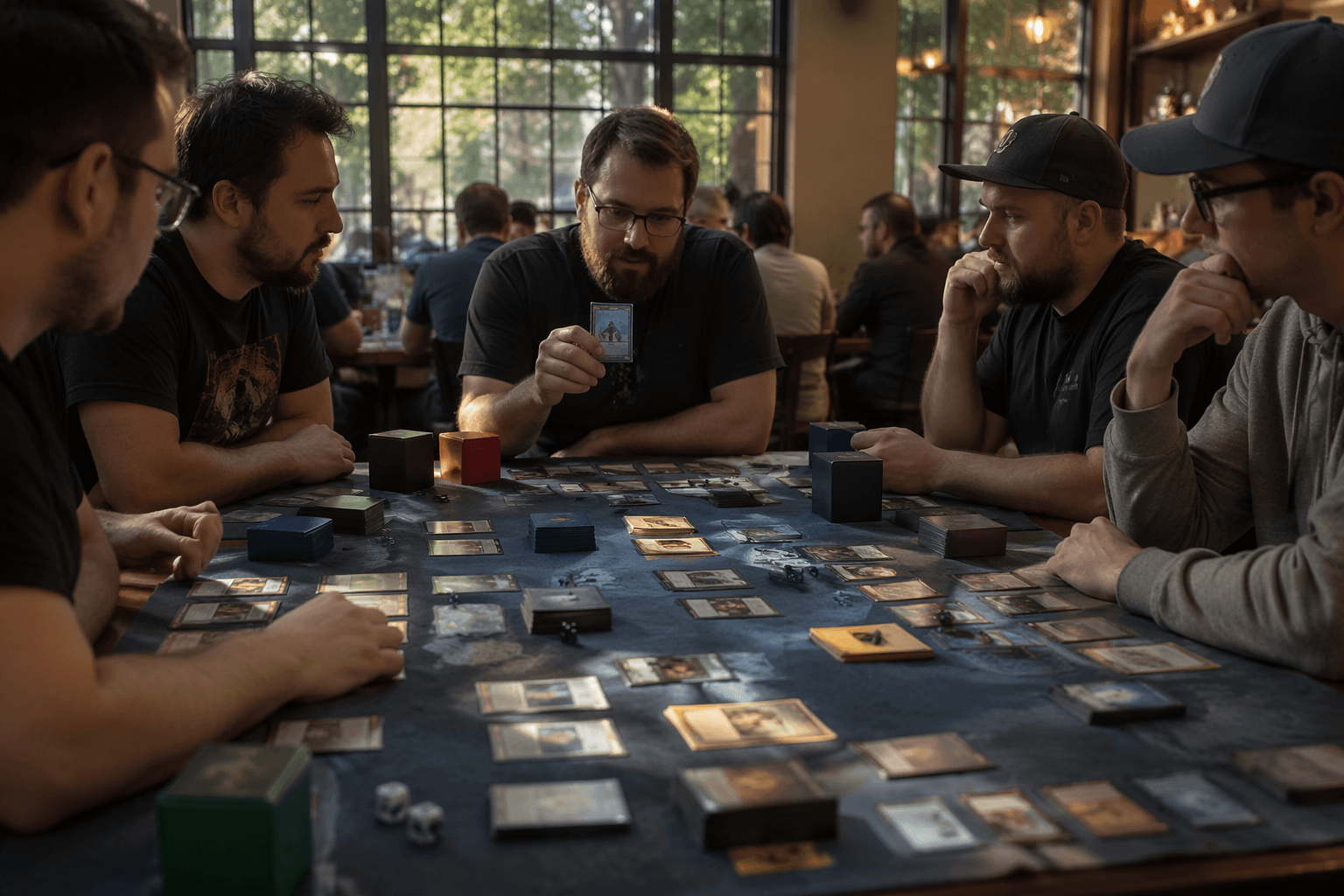
Commander is built for combat drama, and that is exactly why attack-lock cards can feel so unfair when they work. In a 100-card singleton format usually played as a free-for-all multiplayer game at 40 life, with commander damage counting as a separate loss condition at 21 combat damage from the same commander, shutting off attacks often does more than protect your life total. It can quietly stop the whole table from using the main way most pods actually close games.
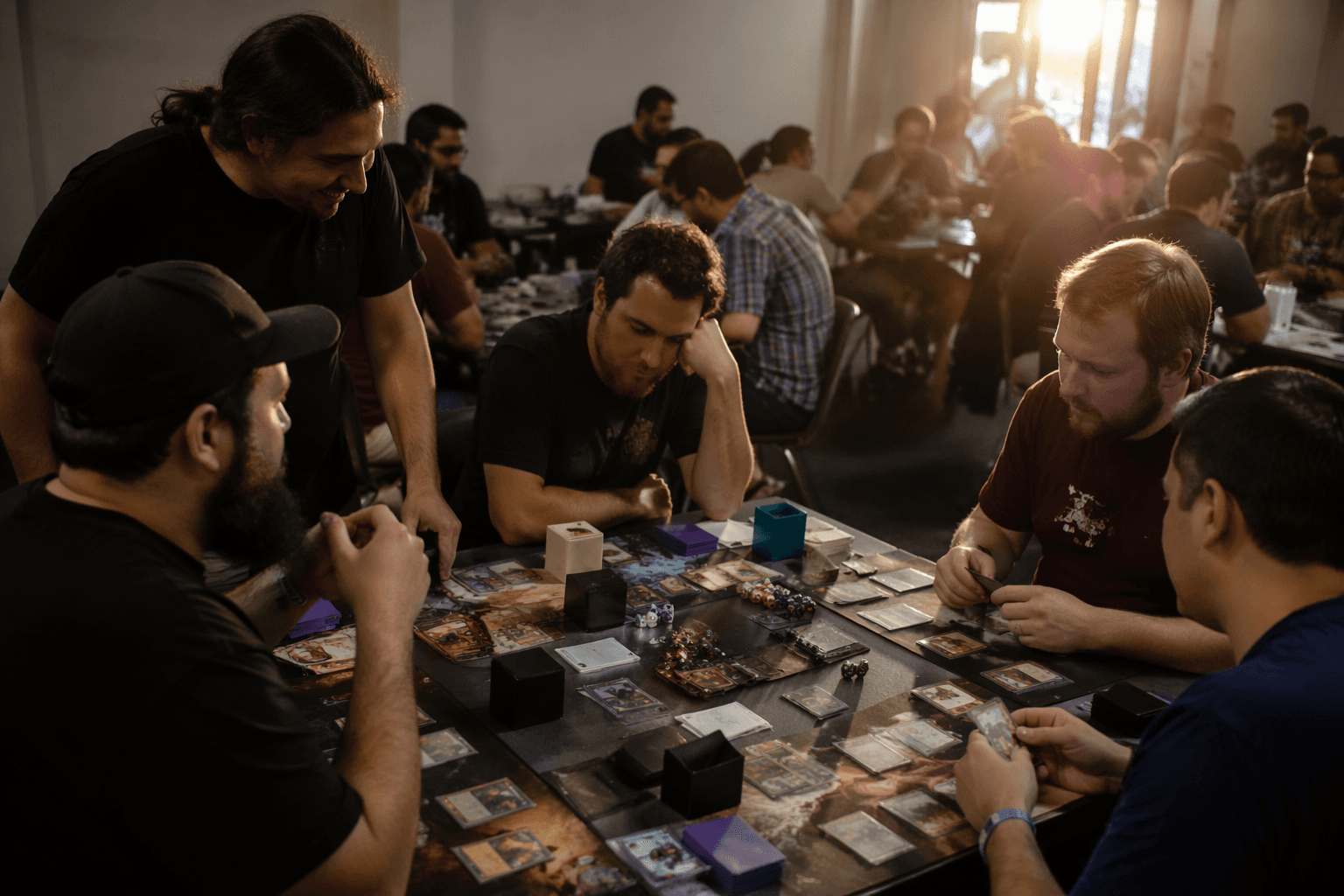
That is the tension worth paying attention to. Wizards now describes Commander as a 3–5 player format, and its own Commander philosophy has been blunt about Game Changers: they can warp games and help players “block people from play.” That is the heart of the attack-lock conversation. Some of these cards stabilize a chaotic board just long enough for you to win. Others create a stalled table where nobody is having fun, and everyone knows exactly who to blame.
Form of the Dragon is the classic gamble
Form of the Dragon is the cleanest example of why attack locks are so seductive. It keeps flyers away from you, gives repeated removal, and turns combat math into a headache for any deck leaning on the skies. The card has also survived in multiple official printings, including Scourge, Ninth Edition, and From the Vault: Dragons, which tells you it has never really left Commander conversation.
But this is not a safe card. Dropping your life total to five is a real danger, especially if the enchantment gets removed and the table suddenly gets a clear shot at you. That is the exact kind of upside-down tension that makes attack locks powerful in the right shell and reckless in the wrong one. If you are not built to exploit the life-total squeeze immediately, you are daring the table to solve you on the spot.
One of the nastier follow-ups is Gravity Sphere. As a Legends world enchantment, it carries that old template energy that feels forgotten until it suddenly turns into a headache. By shutting down flying creatures completely, it can turn Form of the Dragon from a narrow shield into a much broader combat blank against the decks most likely to punish you for sitting at five life.
White and blue have the blunt instruments
Once you move into white and blue, the attack-lock package gets even more oppressive. Moat is the famous name, but Magus of the Moat, Teferi’s Moat, Archetype of Imagination, and Mystic Decree each attack combat from a different angle. Some blank whole categories of attackers, some punish evasive plans, and some rewrite the texture of the board so that getting through damage becomes a puzzle instead of a normal combat step.
The catch is that many of these effects are symmetrical or nearly symmetrical. If you slam one into a deck that cannot break parity, you have not built a lock, you have built a deadlock. That is why the strongest shell around these cards is usually not just more defense, but a plan that turns the defensive piece into inevitability.
- Board development that keeps you ahead while others stall
- Alternate win conditions that ignore combat entirely
- Token engines that create pressure while combat is frozen
Sandwurm Convergence is the cleanest modern example of that second layer. It blocks all flying attackers against you while also making large tokens, which means it is not just a moat impression, it is a way to keep advancing your own board. Its reprints in Commander Masters, Commander Legends: Battle for Baldur’s Gate, and Duskmourn: House of Horror Commander show that this style of defensive inevitability still matters in the broader design ecosystem.
Chronomantic Escape plays the long con
Chronomantic Escape is different. It does not read like a permanent prison piece, and that is part of its appeal. Instead, it acts like a delayed time bomb that can keep opponents from attacking for long stretches, which makes it feel less like a hard lock and more like a recurring bad weather system over the table.
That card gets much nastier when you start bending extra upkeep effects around it. Sphinx of the Second Sun, Paradox Haze, and Shadow of the Second Sun all push the time-counter style plan toward a real soft lock, and copying the effect makes it far more consistent. Sphinx of the Second Sun is especially important here because official rules updates had to clarify how extra draw steps interact with it, which is usually a good sign that a card is doing something the rules team had to think about carefully.
This is also where The Tenth Doctor fits naturally. Time-based Commander shells can lean into that Doctor Who feel of stretching turns, sequencing upkeeps, and making the table feel like it is always one step behind. The Doctor Who Magic set, released on October 13, 2023, came with ready-to-play Commander decks that each contained 100 cards and 50 new cards, and the whole product line was framed around time-and-space gameplay. That makes Chronomantic Escape more than a curiosity; it is part of a real subtheme Commander has already shown it likes.
When the lock is smart tech, and when it is just prison
This is where the honest advice matters. Attack locks are smart tech when your deck can actually turn the stalled board into a win. If you are using Form of the Dragon to buy time for a burn finish, or Sandwurm Convergence to keep pressure flowing while flyers are blanked, the lock is doing a job. If you are using Moat-like effects just because combat-heavy pods annoy you, you are probably the reason the pod gets miserable.
The Commander Brackets beta exists because Wizards knows that deck power conversations need to happen before the game starts, not after someone resolves a card that shuts off everyone’s plan. That matters here. Attack locks are exactly the kind of cards that can live at the edge of a table’s tolerance, because they do not just defend you, they change what the rest of the pod is allowed to do.
The practical test is simple: if the deck still advances when the board is frozen, the lock is probably worth the slot. If the best thing your card does is make three other players sit there, draw, and pass, then you are not stabilizing a table. You are creating a board stall with a target on your head, and in Commander that is usually a short-lived privilege.
This article was produced by Prism’s automated news system from verified source data, official records, and press releases, then run through automated quality and moderation checks before publishing. The system is built and supervised by the people who set the standards it runs under. Read our full AI policy.
Did this article answer your question?