Commander clone effects surge as Dockside Extortionist fades from cEDH
Dockside's ban didn't kill clone effects, it made them relevant again. In cEDH, the best copy spells now punish Rhystic Study, The One Ring, and other table-warping permanents.
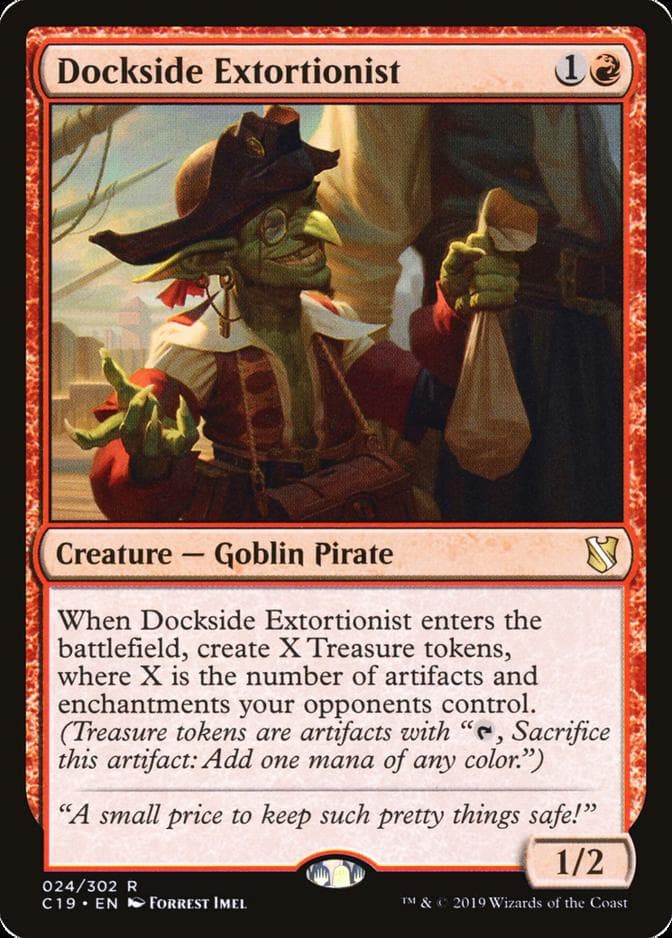
Dockside Extortionist used to be the creature that made every clone conversation feel settled. Once the format lost that easy Treasure burst, cEDH tables started presenting a different problem: there are more permanents worth copying, and they matter longer. That is why clone effects are back in the conversation, not as novelty cards, but as real leverage.
Why Dockside's ban changed the clone conversation
The Commander Rules Committee banned Dockside Extortionist on September 23, 2024, and its stated rationale was blunt: Dockside can make 4 or more Treasure tokens very easily in multiplayer, then jump a player into midgame or late-game plays as early as turn two. The committee also said its broader philosophy is to encourage a slower pace of game and preserve creativity in Commander. That matters here because once Dockside stopped being the default target for clone weirdness, the format's attention moved toward permanents that are harder to ignore and far more common on the table.
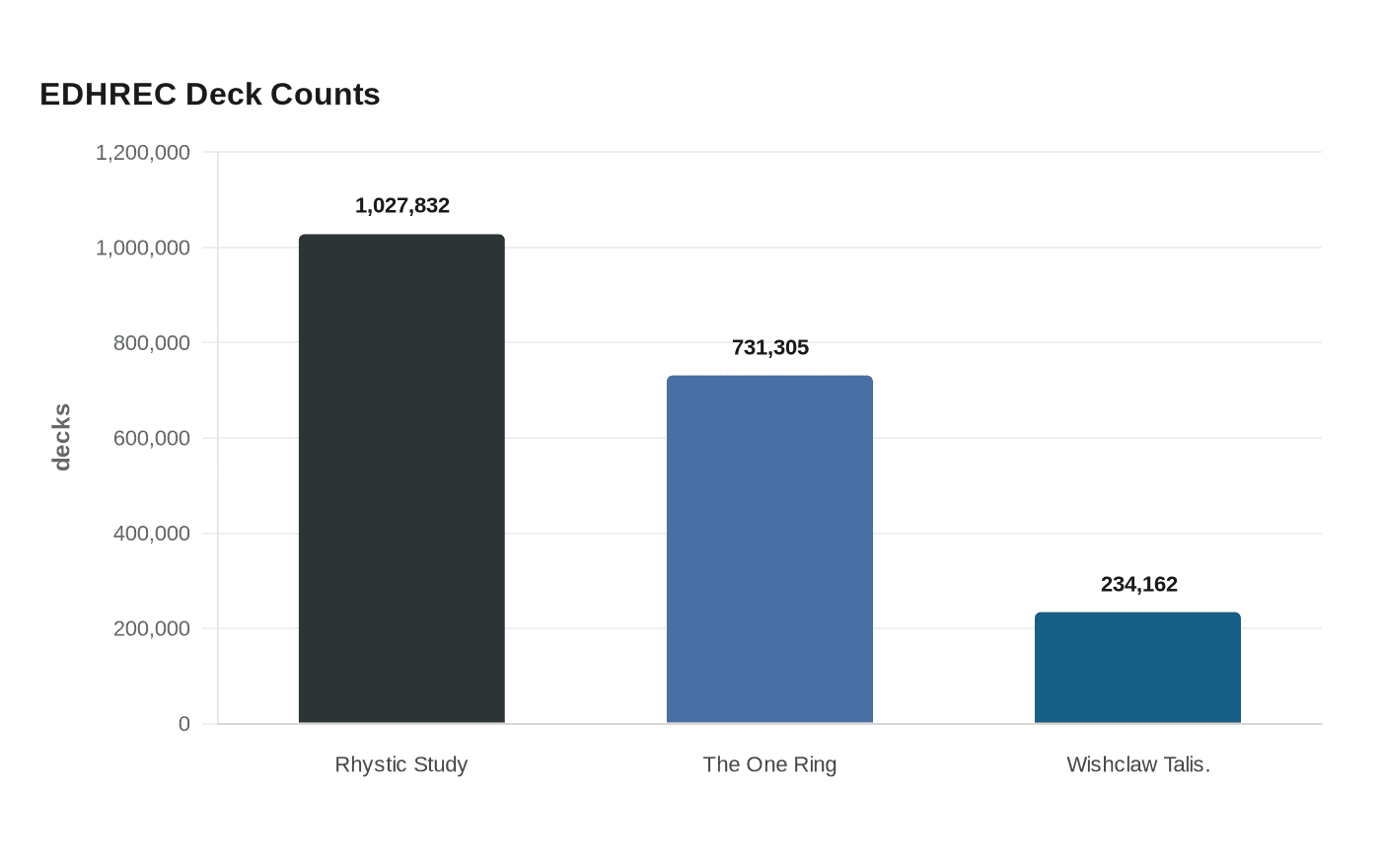
That shift is easy to see in the cards players are actually sitting across from. Rhystic Study appears in more than 1,027,832 EDHREC decks, The One Ring in 731,305, and Wishclaw Talisman in 234,162. Those numbers are not just trivia. They are the shape of the modern table, and they explain why copy effects now do more than imitate a mana-positive Dockside line.
What clone effects solve now
The cleanest answer is this: clones solve the problem of letting the best permanent on the table work for you instead of your opponent. In old Dockside-centric games, the payoff was often about copying a burst of Treasures and immediately converting that into a combo turn. In today's cEDH games, the payoff is more often about copying a value engine, a premium artifact, or a utility piece that would otherwise force everyone else to spend a removal spell.
That is why the strongest clone effects are the ones that line up with the permanents most likely to define the game. Rhystic Study rewards the player who can lean into incremental card flow. The One Ring rewards the player who can copy a uniquely powerful artifact engine. Wishclaw Talisman is especially nasty to copy because it is already built around extracting value before the table can react. If the battlefield is full of those kinds of permanents, a clone does not need to win on the spot to be excellent. It only needs to turn the opponent's best card into your best card.
The clone effects that actually pull weight
Copy Artifact is the most obvious example of old technology still having a sharp edge. It can become a Signet, a Sol Ring, or any premium artifact engine, which means it often functions like a mana rock with upside. In the current artifact-heavy environment, that ceiling matters even more because it can also copy cards like The One Ring or Wishclaw Talisman, not just generic mana acceleration. When the table is full of artifact engines, Copy Artifact stops being a nostalgia piece and starts looking like a very efficient way to steal tempo.
Phyrexian Metamorph earns its slot for a different reason: flexibility with a relatively low casting burden. It is one of the cleanest options when you want a clone that can keep up with fast games without asking you to jump through too many hoops. In practice, that means it can slot into a lot of lists that want to copy an artifact creature, a mana piece, or another high-value permanent without losing much efficiency.
Clever Impersonator is the card that really shows why the modern clone package is broader than it used to be. Hitting across permanent types is a big deal in cEDH, because the best target is not always a creature or artifact. When the best thing on the table is an enchantment like Rhystic Study, the cards that only copy creatures or artifacts suddenly look narrower than you want. Clever Impersonator gives you access to the permanent that matters most, which is exactly what a high-ceiling clone should do.
Applied Geometry represents the newer end of the spectrum, where clone effects are expected to be more flexible and more situationally powerful than the old "copy a body and hope it matters" plan. The point is not that every clone effect is interchangeable. The point is that cEDH now rewards the ones that can do something specific to the best permanent on the battlefield, whether that is copying a rock, a draw engine, or a utility piece that has already slipped through the table's defenses.
Why the slot is a real deckbuilding question again
Clone inclusion used to be an easy yes in the Dockside era for some lists, but it also used to be an honest question. A 2023 Commander's Herald piece framed clone cards in cEDH as a real deckbuilding decision, not an automatic include, and that is still the right lens. You are not playing clones because they are generically powerful in a vacuum. You are playing them because the format now puts enough premium permanents on the table to justify them.
That is also why later Commander discussion started treating Rhystic Study as the card of the format after Dockside was banned and cEDH slowed down. Once the pace changed, the games stopped revolving around one explosive Treasure line and started revolving around whoever stuck the most oppressive value permanent. Clone effects are good in that world because they convert the opponent's best setup into your own.
Dockside used to be the permanent that made clone spells feel automatic. Now the table is full of Rhystic Studies, Rings, Wishclaw Talismans, and other high-impact targets, and that is what makes copy effects feel earned again. In the current cEDH metagame, clones are no longer a trick. They are a response to the way the format actually plays.
This article was produced by Prism’s automated news system from verified source data, official records, and press releases, then run through automated quality and moderation checks before publishing. The system is built and supervised by the people who set the standards it runs under. Read our full AI policy.
Did this article answer your question?