DougY ranks colorless Commander cards that truly group hug the table
Colorless group hug only works when the table gets paid without handing the game away, and DougY’s list draws that line with real sting.
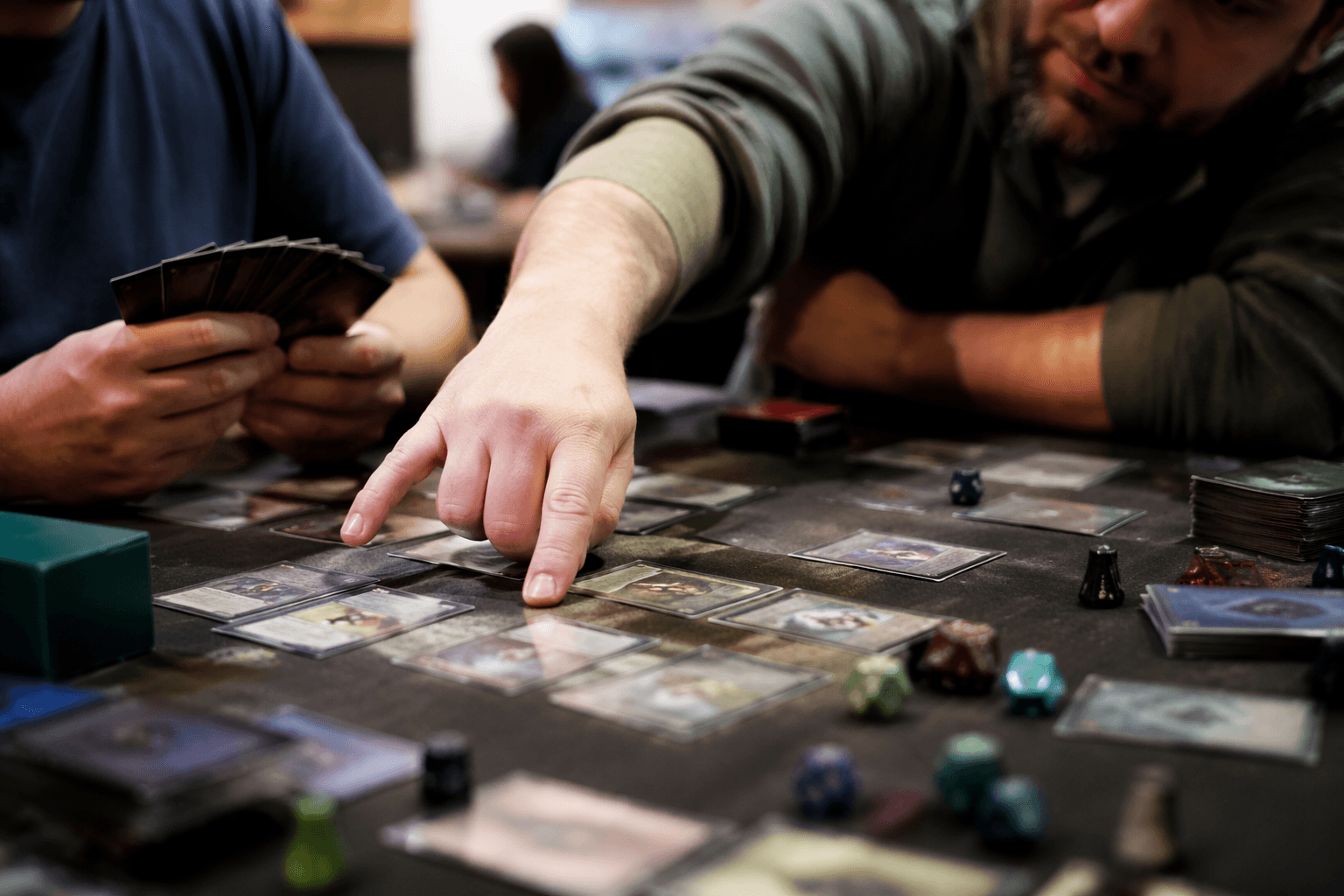
1. Howling Mine
This is the cleanest entry point because it does the one thing group hug is supposed to do and almost nothing else: it gives the whole table more cards. EDHREC still treats colorless group hug as a distinct niche inside a much larger group hug ecosystem, and Howling Mine is the card that makes the case for the category before the pod even realizes it has been invited to negotiate.
2. Temple Bell
Temple Bell is the version you play when you want the draw to feel like a deal instead of a passive drip. You choose the timing, which matters a lot in Commander, and the 73,495-deck footprint backs up how often players still reach for that kind of table control.
3. Font of Mythos
Font of Mythos is less subtle, and that is exactly why it earns its spot. When everybody is drawing extra cards all the time, the strongest deck usually gets first crack at the new resources, but that does not stop it from being one of the most recognizable colorless hug effects, with 65,564 decks on EDHREC.
4. Coveted Jewel
DougY’s ranking puts Coveted Jewel at No. 4, and that feels dead-on because this is the card that turns generosity into a bargaining chip. It draws three cards when it enters, taps for three mana of any one color, and if an opponent sends a creature through unblocked, they get the Jewel and three cards too, which is about as close as artifact politics gets to a handshake.
5. Teferi’s Puzzle Box
This is the most deceptive hug piece on the list because it looks like chaos, but it still forces the whole table into the same reset. Everybody gets churned through fresh cards, and the player who built their deck to convert that churn into advantage usually cashes out first, which is why it belongs in the discussion even if it is not the gentlest thing you can put on the table.
6. Horn of Greed
DougY places Horn of Greed at No. 7, and the reason it works better in colorless than it does in green shells is obvious once you’ve played it: the deck drawing off land drops is not the same deck that is going to bury everyone else in lands. In a normal Commander pod, that distinction matters more than the symmetrical text box suggests.
7. Ghirapur Orrery
Ghirapur Orrery is one of those cards that looks like pure goodwill until someone on the table starts exploiting the extra land drop and the emergency refill. DougY’s own aside frames it as an Azusa-style effect, which is exactly the right lens, because the card rewards restraint and punishes the player who thinks symmetry always means fairness.
8. Howling Golem
I like Howling Golem more than its footprint would suggest, because combat makes the politics visible. Attack with it, and everybody draws, which gives you a clean line for deals and a very obvious reason to point it somewhere that is not your face; EDHREC shows 21,379 decks using it, so it has real legs beyond cute theory.
9. Victory Chimes
Victory Chimes is not flashy, but it is one of the better ways to hand out mana without turning the whole table into a free-for-all. It sits in that sweet spot where you can leave shields up, keep the game moving, and still look like you are helping, which is why 37,892 decks keep giving it a home.
10. Zenith Chronicler
DougY closes with Zenith Chronicler at No. 10, and that’s the right kind of reality check for this archetype. It is efficient as a two-mana 3/1, but in actual Commander play it mostly hands out a few stray cards and then gets outclassed, which is the exact warning label you want at the end of a list like this.
The lesson behind the whole ranking is simple: colorless group hug only matters when the symmetry creates real table decisions, not just free value for the deck built to abuse it. When the dust settles, the best cards here still do the same thing DougY is always chasing, they make the pod talk, then force everyone to live with the answer.
This article was produced by Prism’s automated news system from verified source data, official records, and press releases, then run through automated quality and moderation checks before publishing. The system is built and supervised by the people who set the standards it runs under. Read our full AI policy.
Did this article answer your question?