EDHREC pirate guide shows Commander tribe’s many build paths
Pirates in Commander are not one deck but several, and EDHREC’s guide makes the case for choosing between Treasure combat, theft value, and artifact engines.
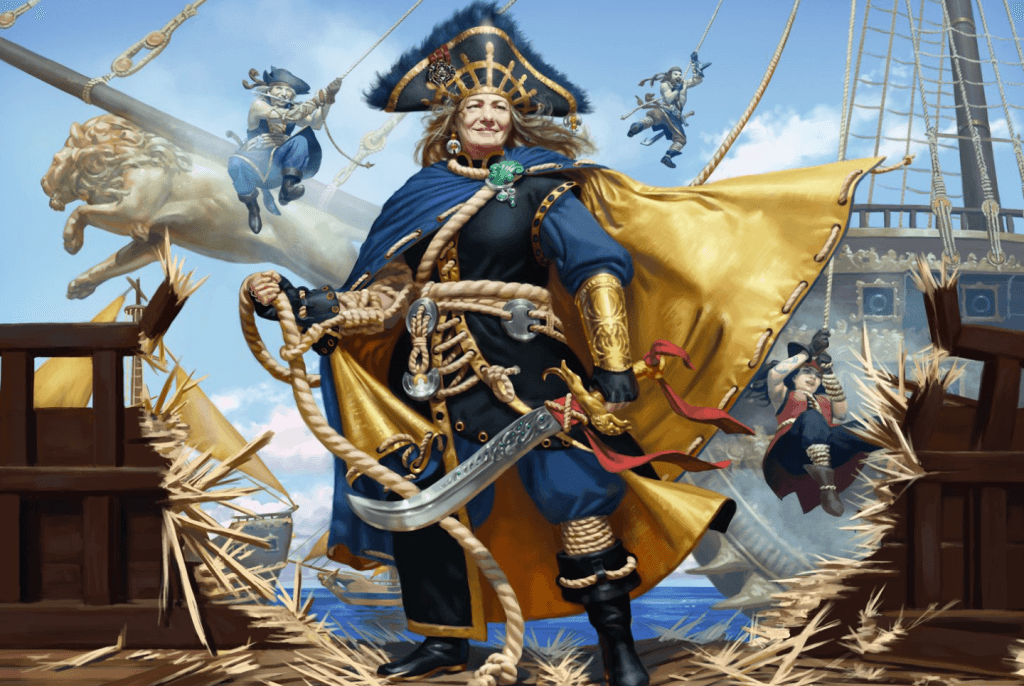
Pirates are several decks wearing the same hat
EDHREC’s Pirate guide lands on the right truth fast: Pirate tribal in Commander only looks like a simple aggro shell. On the Pirates tag page, Edward Kenway sits alongside commanders such as Malcolm, the Eyes, The Indomitable, Sisay, Weatherlight Captain, and Zidane Tribal, which tells you this tribe stretches across multiple color identities and play patterns. Edward Kenway alone shows 3,550 decks in the Pirates tag view and 13,381 Commander deck recommendations on the main commander page, with Pirates, Treasure, Vehicles, and Theft as his defining themes.
That spread matters because Pirates are not asking you to build one generic typal deck. They can be a combat deck that keeps turning sideways, a Treasure engine that accelerates out of nowhere, a theft deck that weaponizes other people’s cards, or an artifact-leaning build that edges into combo territory. If you try to force every Pirate list into the same mold, you miss what makes the tribe worth sleeving up in the first place.
The cleanest version still starts in combat
The tribe’s modern shape traces back to Ixalan in 2017, when Wizards of the Coast introduced Pirates as a major faction and tied them to the Brazen Coalition, a crew of treasure-hungry raiders. Ixalan also introduced the Treasure artifact subtype, and Wizards explicitly linked Pirates to the raid mechanic, which rewards the kind of ruthless aggression that makes a combat deck hum. That is why the most natural Pirate build still wants to connect early and often.
That core plan is straightforward, but it is not shallow. A good Pirate list needs enough evasive bodies to keep the pressure on, enough Treasure payoffs to make each hit matter, and enough card draw or selection to avoid stalling after the first wave of attacks. Built that way, the tribe can function on a budget, scale into a midrange shell, or serve as the kind of resource engine that keeps mana flowing while your board keeps attacking.
Edward Kenway is the clearest signpost
If you want one commander that shows how far Pirates can stretch, Edward Kenway is the obvious anchor. His EDHREC numbers are huge, and the themes attached to him tell the story better than any hype cycle: Pirates, Treasure, Vehicles, and Theft. That combination captures the tribe at its best, because it turns combat triggers into mana, tempo, and stolen resources instead of just chip damage.
Kenway also explains why Pirates can feel much bigger than their creature type. The Treasure count gives you more than ramp, Vehicles turn incidental bodies into real pressure, and Theft pushes the deck into a nastier value plan when the table starts stabilizing. In the right build, that package even points toward artifact-based combo lines, which is a long way from the “all-in on pirates swinging for two” stereotype.
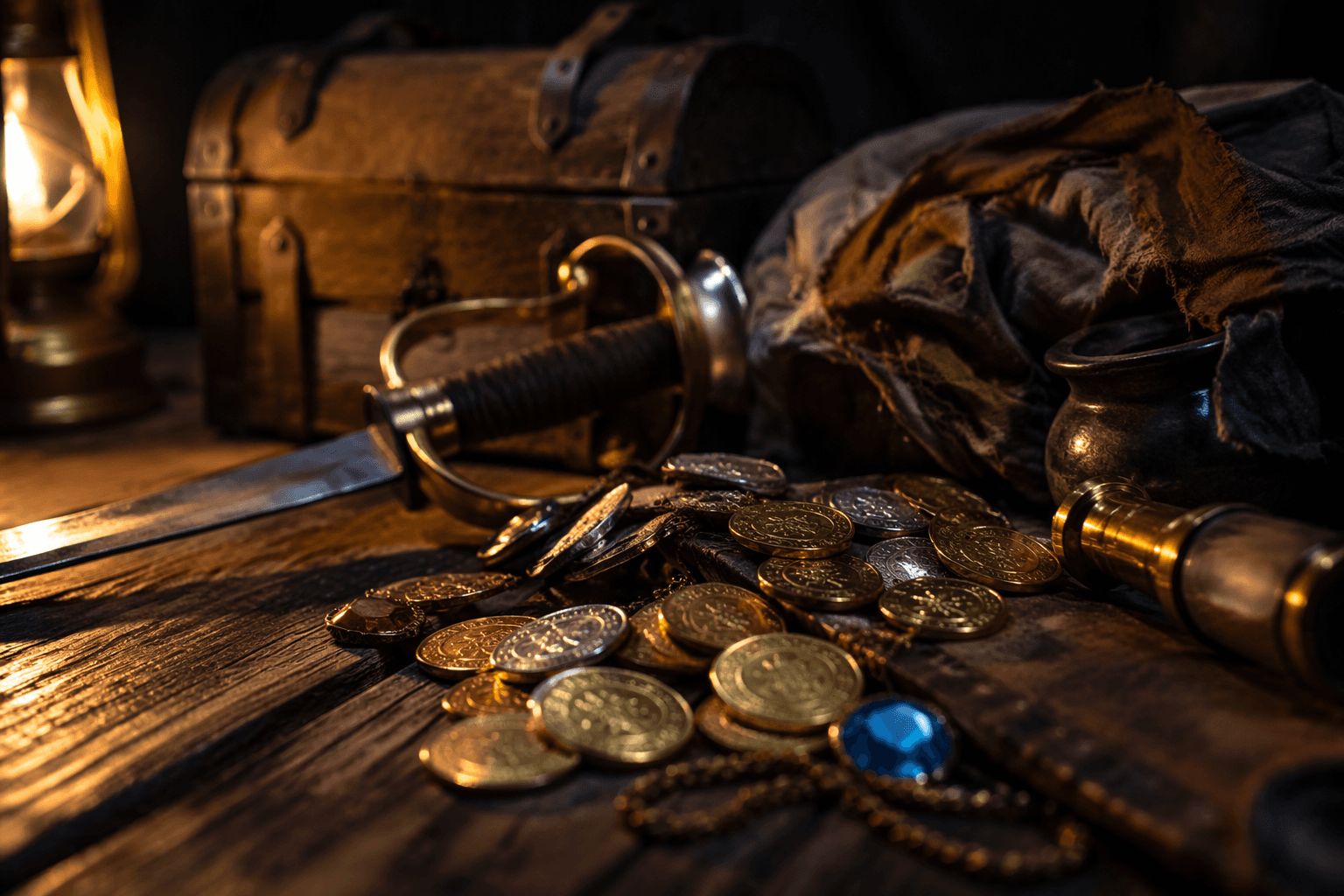
The theft and value branches are real, not a side note
Wizards later confirmed that Malcolm and Breeches were both members of the Brazen Coalition and first received cards in Commander Legends, which locks their place in the tribe’s lore and deckbuilding identity. They also served aboard Vraska’s ship Belligerent, a detail that fits the larger Pirate fantasy: these are not just attackers, they are opportunists who turn someone else’s resources into your advantage. That is why theft-heavy lists feel so natural in the tribe.
EDHREC’s Pirates tag page reflects that reality by showing more than one lane at once. Some decks chase artifact synergies, some lean on Clues, some care most about stealing permanents, and some drift into value-combo adjacent territory through commanders that are not even obvious Pirate poster children at first glance. Seeing Sisay, Weatherlight Captain and Zidane Tribal in the same broad conversation is the clue that Pirates are less a single archetype than a toolkit you can aim in different directions.
Pirates did not stop with Ixalan
The tribe has kept resurfacing because Wizards keeps giving it reasons to matter. The Lost Caverns of Ixalan Commander added Admiral Brass, Unsinkable and Don Andres, the Renegade, which shows the studio still sees Pirates as live Commander material and not just a nostalgia callback to the original Ixalan era. That matters for deckbuilders, because every new legend gives the tribe another angle, another color mix, and another way to justify revisiting the shell.
Wizards also signaled that continued interest again with the 2026 Lorwyn Eclipsed 60-card Theme Deck announcement, which included a Pirates deck option. That kind of recurring support keeps Pirates in the conversation, and it helps explain why EDHREC’s guide reads less like a one-off deck primer and more like a map of a tribe that keeps finding new jobs to do.
What the 99 needs, no matter which crew you choose
- Evasive early creatures that can keep combat triggers online.
- Treasure payoffs so every successful attack actually advances your game plan.
- Card draw or selection so the deck does not run dry after the first push.
- Artifact support if you are leaning into Edward Kenway, Vehicles, or broader Treasure synergies.
- Steal effects if you want the deck to punish opposing boards instead of only building your own.
- Clue or other artifact value if you want a slower, grindier version that wins on efficiency rather than speed.
That is the practical edge of the guide: it pushes you to choose the Pirate version that matches how you want to win. If you want combat pressure, the tribe gives you that. If you want Treasure-fueled ramp, it gives you that too. If you want theft, artifact value, or a sneaky combo shell, Pirates can do that as well.
The real lesson is the same one the guide starts with: Pirates are not one deck, they are a roster of different crews. Once you stop treating them like a single typal build, the tribe opens up exactly the way a good Commander tribe should.
This article was produced by Prism’s automated news system from verified source data, official records, and press releases, then run through automated quality and moderation checks before publishing. The system is built and supervised by the people who set the standards it runs under. Read our full AI policy.
Did this article answer your question?